One place, one flavour character
Single origin chocolate is made from cacao sourced in one defined place — a country, a region, or a single estate. The point is traceability, but the reward is flavour. Cacao, like wine grapes or coffee, absorbs the character of its soil, climate and local microbes during fermentation, so chocolate made from beans grown in one location has a profile that a blended bar deliberately smooths away.
Broad patterns do hold. Madagascan cacao tends to produce chocolate with a bright, red-fruit acidity — raspberry or dried cherry beneath the cocoa. Ecuadorian cacao, particularly from Arriba or Nacional varieties, often runs earthier and more floral, with gentler bitterness. These are tendencies, not rules; growing altitude, fermentation time and the maker's roast all shape the result. Tasting a Madagascan bar beside an Ecuadorian one, the difference is real and striking.
What the blend obscures
Most mass-market chocolate is made from bulk cacao blended from multiple origins, sometimes a dozen or more countries at once. This is not inherently dishonest. Blending lets manufacturers hit a consistent flavour cheaply, year after year, regardless of how a particular harvest performs. What it cannot do is let any single place express itself. The interesting edges — fruitiness, earthiness, floral or tobacco notes — get averaged out.
Commodity cacao also tends to be a different variety. The workhorse of the bulk trade is Forastero, a high-yielding but relatively plain bean. Single origin bars are more likely to use Criollo or Trinitario varieties, or heritage strains like Ecuadorian Nacional — beans with more complexity but harder and more expensive to grow. Origin labelling and variety often go together, though not always.
The percentage question
A high cocoa percentage tells you the ratio of cocoa solids to sugar. That is all. A 72% bar from fine single-origin cacao and a 72% bar made from bulk Forastero are very different things, and the label percentage cannot tell you which is which.
Percentage gives a rough guide to sweetness and bitterness — higher percentages are less sweet — but says nothing about where the cacao was grown, how it was fermented, or what the maker has done with it. Two bars at the same percentage can taste completely unlike each other. Origin and maker matter more than the number.
It is also worth knowing that cocoa butter is often added back during manufacture, even in high-percentage bars. This affects texture and mouthfeel without signalling quality either way. Good chocolate can have added cocoa butter; so can poor chocolate.
How to taste the difference
Tasting single origin chocolate well is less about expertise than attention. Break a piece and listen — a clean snap suggests good tempering, meaning the cocoa butter has been properly crystallised. Let it sit on the tongue rather than chewing straight away. Heat releases volatile aromatics, and a bar made from interesting cacao will shift as it melts: an initial bitterness giving way to fruit, or a floral note arriving late.
Tasting two bars side by side — different origins, same percentage — is the quickest way to understand what origin actually contributes. The comparison does the explaining that no label quite manages.
Estate bars and what they signal
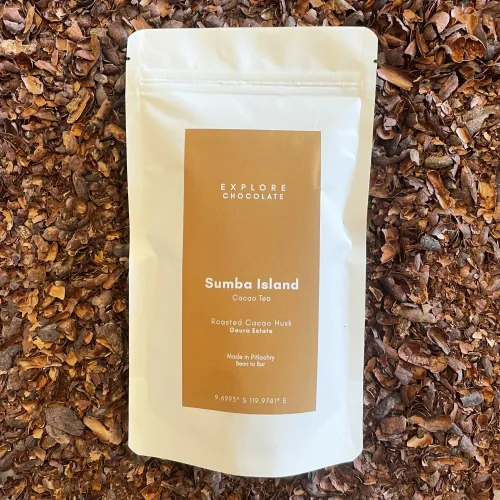
Country-of-origin labelling is the broadest category. Regional labelling is more specific — a bar from the Sambirano Valley in Madagascar, for instance, narrows the terroir considerably. Estate bars go furthest, tracing the cacao to a single farm. These tend to be the most expensive and the most variable from harvest to harvest, which is either a drawback or the whole point, depending on your outlook.
Some makers work directly with growers and take an active role in how the cacao is fermented and dried — steps that happen before the beans leave the country of origin and that have an enormous effect on finished flavour. This closer relationship, sometimes called bean-to-bar, is not exclusive to single origin chocolate, but the two often travel together. When a maker can name the farm and describe the fermentation, that is usually a good sign.