What the mother actually is
The mother of vinegar is a living mat of bacteria — principally Acetobacter — that forms when alcohol is converted into acetic acid in the presence of oxygen. It looks like a pale, gelatinous disc or a loose string of cloudy fibres, depending on how far fermentation has progressed. It's harmless, natural, and its presence tells you something important: this vinegar was made slowly, from something real, without being stripped of everything interesting afterwards.
A liquid containing alcohol — wine, cider, beer — is exposed to air, and Acetobacter bacteria convert that alcohol into acetic acid. The mother is both the bacterial colony doing that work and the cellulose produced as a by-product. Once established, it can start new batches, passed between producers or households much as a sourdough starter is.
Raw vinegar versus filtered vinegar
Most supermarket vinegar has been filtered, pasteurised, or both. This removes the mother and produces a clear, shelf-stable liquid with a consistent, sharp flavour — serviceable for everyday cooking, but flattened in character. Raw vinegar keeps the mother intact and its acidity tends to be rounder, more layered, varying subtly between batches and reflecting the base ingredient.
Left undisturbed, the culture continues developing slowly even in the bottle. Shake before using and the mother disperses harmlessly. Some people treat it as a probiotic supplement; the honest case for raw vinegar, though, is simply that it tastes better and reflects genuine craft rather than commodity production.
Malt vinegar's place in British food
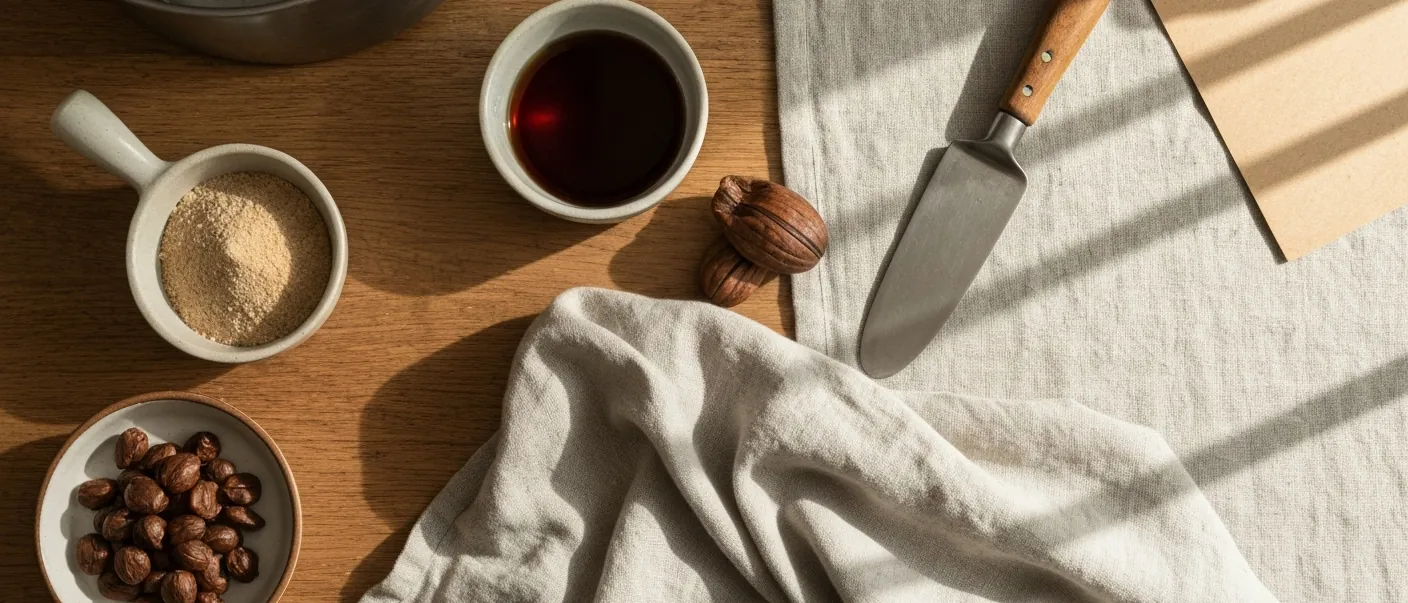
Britain's own tradition runs through malt vinegar rather than wine or cider. Brewed from malted barley — the same starting point as ale — malt vinegar is one of the few distinctly British condiments with a production history stretching back centuries. Its association with fish and chips is well-known, but it was also the preserving medium for pickled walnuts, piccalilli, and the chutneys that lined pantry shelves long before refrigeration.
Traditional malt vinegar is brewed and matured, not manufactured from diluted acetic acid — a shortcut common in cheaper products. The difference in flavour is considerable. Properly brewed malt vinegar has a mellow, slightly sweet depth beneath the acidity; the synthetic version tastes merely sharp. Reading the label matters: "brewed" or "fermented" indicates a live process. If acetic acid appears as the main ingredient, it hasn't been.
The craft-vinegar revival
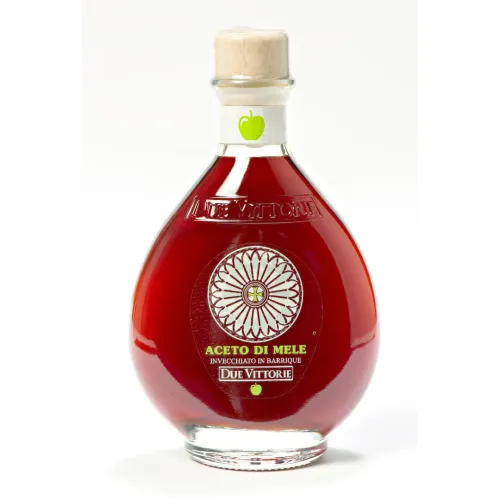
For much of the twentieth century, vinegar was a commodity — cheap, clear, and interchangeable. Small producers across Britain are now making it with the same attention given to natural wine or artisan cider: starting with good base ingredients, fermenting slowly, leaving the mother undisturbed. The results span cider vinegars made from single-variety apples, wine vinegars drawn from British grape harvests, and experimental versions using honey mead or fruit wines.
The same instinct that brought kimchi and kefir into the mainstream has prompted people to look more carefully at a condiment they'd previously taken for granted. Vinegar is one of the oldest preserved foods in existence, predating most techniques now associated with artisan food. The craft-vinegar movement isn't inventing something new so much as recovering a standard that existed before industrial production made slow brewing commercially inconvenient.
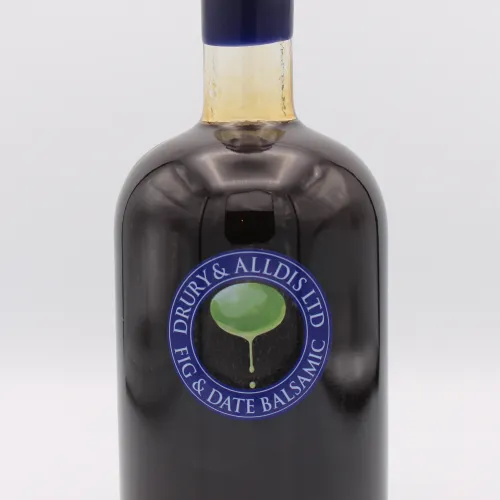
Many producers sell directly, through farmers' markets, or via specialist food retailers. Their bottles tend to be less visually uniform than supermarket equivalents — cloudier, sometimes with visible mother, occasionally still actively fermenting — which is exactly as it should be.
How to use and store raw vinegar
Store raw vinegar in a cool, dark place rather than the fridge — cold slows the culture without killing it, but a pantry shelf is fine. If a new mother forms in the bottle, it hasn't spoiled; it's simply alive. A good cider or wine vinegar is strong enough to use sparingly: dressed over leaves, or stirred into a sauce at the end of cooking to preserve its more volatile notes.
Malt vinegar, raw or otherwise, is robust enough to handle heat, which is why it holds its own in long-cooked chutneys and pickles. Slow-fermented versions retain their complexity even after time in the jar.