What potting is
The logic is straightforward. Cooked meat, fish or cheese is packed tightly into a small pot, pressing out air pockets, then hot clarified butter is poured over the top. As it cools, the butter sets into a pale, solid seal. Cut off from oxygen, the contents beneath keep far longer than they otherwise would. Britain developed the technique into a family of named specialities with distinct regional identities and a consistent spice signature.
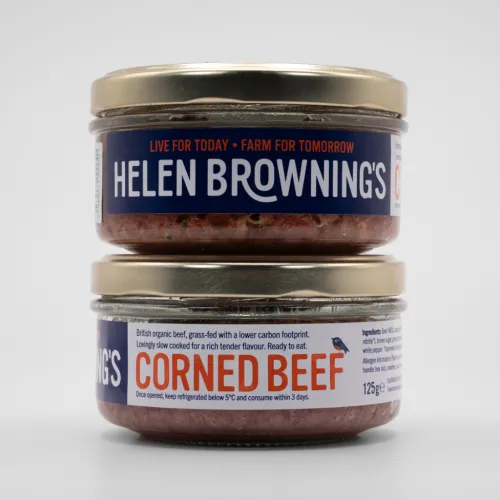
Potted shrimps from Morecambe Bay are the most recognisable today — small brown shrimps, butter-rich and warm with mace and cayenne, eaten cold on toast with a squeeze of lemon. As our Morecambe Bay shrimps piece explores, that tradition runs deep, tied to the tidal sands and a very specific catch. The same principle once produced potted beef, potted crab, potted game birds, and potted cheese — Stilton pounded smooth with port being the most celebrated of the last category.
How the butter seal works
Ordinary butter contains water and milk solids alongside the fat. When it melts and separates, the fat floats clear while the solids and moisture sink or foam at the surface. Clarified butter is that fat alone. Because it contains no water, it solidifies into a dense, even layer with almost no gaps — and it is water and air that allow bacteria and moulds to take hold. The seal is not permanent; potted foods were always understood as lasting weeks rather than months. In an era before chilling, that was a meaningful extension of a food's useful life.
Small-batch producers making potted shrimps or potted crab today are not cutting corners by using clarified butter — they are using the right tool. The fat also carries flavour: shrimps or beef sitting beneath spiced butter absorb it slowly, so the finished pot tastes more integrated than something dressed at the last moment.
The spices and why they matter
Mace, cayenne, nutmeg, white pepper — the spice palette of British potted foods is consistent enough to feel almost like a rule. These aromatics were understood, long before food science could explain it, to have preservative qualities. The flavour argument is equally compelling: they are warm, slightly pungent spices that cut through the richness of butter and cooked meat without dominating. A pot of shrimps seasoned only with salt would be flat; a pinch of mace and cayenne gives depth that keeps you returning.
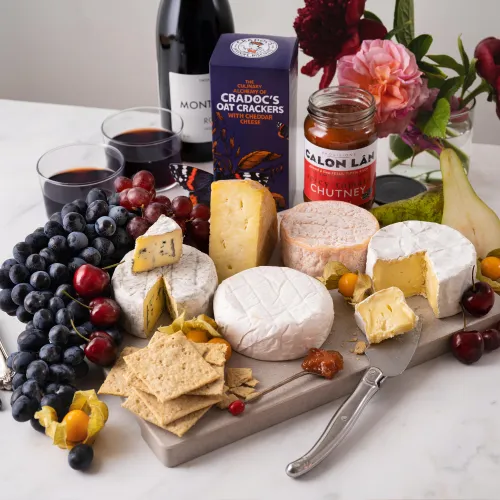
Potted cheese is the most forgiving canvas for this spicing. Stilton pounded with port and butter takes on a complex, savoury sweetness, and a little blade mace or nutmeg ties the whole thing together. The texture sits somewhere between a very soft cheese and a stiff butter — and it is one of the simplest make-ahead options for a Christmas table.
Potting is not pâté
The distinction matters, because the words are sometimes used loosely. Pâté — as our separate piece on pâtés and rillettes discusses — is an emulsified or coarsely ground preparation, typically liver-led, often made with cream or egg, baked or set in its own right. Rillettes involve slow-cooking meat in fat until it shreds, then beating it with cooking fat until spreadable. Both are French in origin and differ from potted meat in texture, construction and flavour logic.
Potted foods are British, and the defining distinction is that the meat or fish is cooked, then packed and sealed — not emulsified, not fundamentally altered in texture. A potted shrimp is still a shrimp. Potted beef, properly made from braised, well-seasoned beef pressed into a ramekin, reads clearly as beef rather than a smooth paste. The butter is not beaten into the filling; it sits above it, doing its job as a seal.
Where it stands now
Potted foods occupy a particular place in the calendar. Potted shrimps appear year-round from producers working traditional coastal grounds, but potted cheese and potted game feel firmly autumnal and wintry — partly for their flavours, partly because they suit the make-ahead hospitality that November and December demand. A pot of Stilton and port, made a few days ahead and kept cool, needs nothing but oatcakes and time to come to room temperature.
Small-batch producers have kept the technique alive not as nostalgia but because it solves a real problem elegantly. The finest potted foods taste of themselves — of the shrimp, the beef, the cheese — with butter and spices in a supporting role. That restraint is what separates a good potted product from a heavy one, and it is what the technique, at its best, has always been about.