The argument in a sentence
White chocolate contains cocoa butter — the fat pressed from cocoa beans — but none of the cocoa solids that give dark and milk chocolate their colour, bitterness, and much of their flavour. That single fact is what the whole debate turns on.
Those who say it isn't chocolate point to the absence of cocoa solids. Those who say it is point out that cocoa butter comes directly from the cocoa bean. Both are right about the facts; they're arguing about where to draw the line. British food regulations treat it as chocolate: UK rules require white chocolate to contain at least 20% cocoa butter and at least 14% milk solids. It has a legal definition, a compositional standard, and a place on the shelf beside its darker cousins.
What cocoa butter actually is
When cocoa beans are processed, they're roasted, shelled, and ground into a paste called cocoa mass. Press that paste hard enough and it separates into two things: cocoa solids (the dry, intensely flavoured powder that becomes cocoa powder) and cocoa butter, a pale yellowish fat with a faint, almost floral cocoa aroma. Dark chocolate uses both. White chocolate uses only the fat.
Cocoa butter melts at just below body temperature, which is why good chocolate dissolves cleanly on the tongue rather than sitting there greasy. White chocolate made with a proper proportion of cocoa butter has that same melt — one of the clearest signs you're eating the real thing rather than a confection padded out with cheaper fats.
Why so much white chocolate disappoints
The UK's minimum 20% cocoa butter requirement sets a floor, not a ceiling, and plenty of mass-market white chocolate does little more than clear it. The rest of the bar is mostly sugar, with milk solids and vanilla flavouring doing the heavy lifting on taste. The result is aggressively sweet, one-dimensional, and not especially interesting — which is where much of white chocolate's poor reputation originates.
Good white chocolate is a different experience. With a higher proportion of cocoa butter and less sugar, the flavour becomes genuinely subtle: fresh milk, a faint nuttiness, a clean sweetness that doesn't overwhelm. Well-sourced, carefully pressed cocoa butter carries real complexity — something you'd never guess from eating the cheap stuff.
What craft makers are doing with it
Independent chocolate makers have found white chocolate to be a surprisingly interesting medium. The most talked-about development is blond or caramelised chocolate, made by slowly heating white chocolate until the milk solids caramelise. The result tastes of toffee, biscuit, and brown butter — rich and deeply flavoured in a way that catches people off guard.
Some makers are also working with single-origin cocoa butter, sourcing the fat from a specific region or farm rather than blending whatever is available. Cocoa butter does carry subtle flavour compounds from its origin, so this can produce white chocolate with a genuine sense of place. It fits naturally into the same conversations we now have about single-origin dark chocolate.
Reducing sugar is another direction craft makers are taking. Lower sugar lets the cocoa butter's own character come forward, producing something less cloying and more versatile alongside fruit, sharp cheeses, or coffee.
How to judge what you're buying
The ingredients list tells you most of what you need to know. Cocoa butter should appear near the top; if it's buried behind sugar and vegetable fat, the bar isn't using cocoa butter as its primary fat. Vanilla extract is a reasonable inclusion. Artificial vanilla flavouring on a bar claiming any kind of quality is a warning sign.
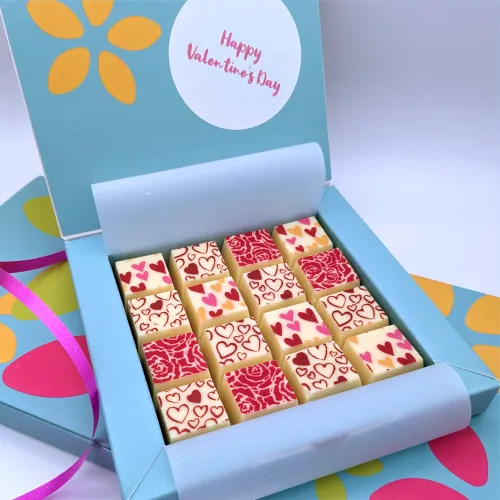
Colour is a minor indicator. White chocolate made with good cocoa butter tends to be ivory or pale cream rather than bright white — the natural colour of the fat, not something stripped back or artificially whitened.
So: is it chocolate? It comes from the cocoa bean, it's regulated as chocolate, and at its best it has something genuinely worth tasting. The more useful question is whether the bar in your hand is made with care — and on that, the ingredients list will tell you far more than the colour will.