One extra fermentation
Vinegar is a two-step process. First, sugar ferments into alcohol. Then acetic acid bacteria convert that alcohol into acetic acid. Because the raw ingredient can be almost anything fermentable, every drinking culture has developed its own version: barley beer cultures produce malt vinegar, apple-growing regions make cider vinegar, wine cultures make wine vinegar. The liquid in the bottle always carries the memory of what it was before.
That acetic acid content — usually expressed as a percentage on the label — measures sharpness and preserving strength. Most table vinegars sit between five and eight per cent acidity. Higher acidity is not inherently better for eating; it matters most when choosing between a punchy pickling vinegar and something more delicate for dressing.
Malt vinegar: the British default
Malt vinegar is Britain's own contribution, and it's more specifically British than many people realise. It's made from unhopped ale — brewed from malted barley, but without the hops. That grain-and-yeast character is exactly why the brown vinegar on a chip-shop counter smells faintly of the brewery. The brewery flavour is the point, not an accident.
Proper brewed malt vinegar is slow. The ale ferments, then acetic acid bacteria work through it over weeks. What ends up in the bottle has real depth — a rounded, slightly sweet maltiness behind the acid that cheaper alternatives don't replicate.
Those alternatives matter, because not everything sold as vinegar in Britain is brewed. Non-brewed condiment, sometimes labelled as distilled vinegar, is diluted acetic acid — often produced industrially — with added caramel colour. It's sharp and flat on the palate, legally distinct from brewed vinegar, and worth reading the label to avoid if flavour matters to you. It contributes nothing to a pickle or a sauce.
Cider and wine vinegars
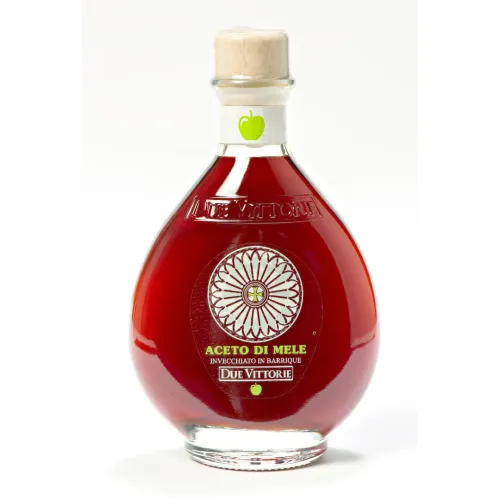
Cider vinegar carries its apples unmistakably — a softer, fruitier acidity than malt, with the slight tannin you'd expect from pressed apple skin. Good examples from British producers reflect the cider apple varieties used, much as single-varietal wine vinegars reflect their grape. It's not a straight swap for malt vinegar; the flavour profiles are genuinely different.
Wine vinegar — red or white — is the workhorse of European cooking and widely available here. Red tends to be more robust; white is more delicate and versatile for lighter dressings. Sherry vinegar, made from sherry wine in the Jerez region of Spain, is aged in oak and sits between wine vinegar and a true balsamic in complexity: nutty, slightly sweet, with a long finish.
Traditional balsamic and its imitators
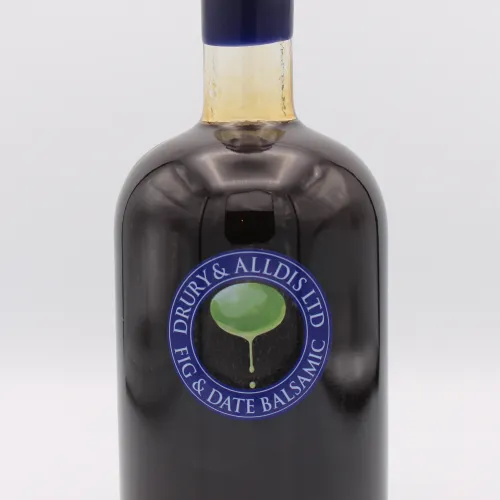
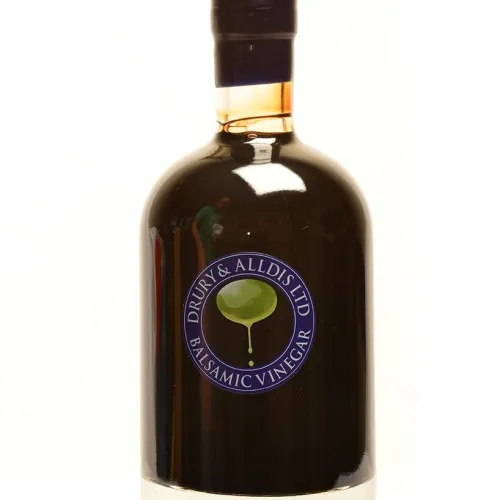
Balsamic is where the category gets most misunderstood, because two very different products share the same name. Traditional balsamic is made from cooked grape must, reduced and then aged for years through a series of progressively smaller wooden casks, each made from a different wood. The result is thick, intensely complex, and used in drops rather than splashes — an aged condiment in the same spirit as a fine aged cheese, not a cooking ingredient.
What fills most supermarket shelves labelled as balsamic vinegar is something else: wine vinegar with added grape must concentrate or colouring. It's a legitimate product and perfectly useful, but it is not the same thing. Traditional versions carry specific protected designation markings; the blends generally don't claim otherwise if you read the label carefully.
The mother, and what it tells you
Unpasteurised vinegars — particularly cider and wine vinegars from smaller producers — sometimes develop a cloudy, gelatinous mass in the bottle. This is the mother of vinegar: a colony of the same acetic acid bacteria that made the vinegar, now living on in suspension. It's entirely natural, a sign that the vinegar hasn't been heat-treated to stabilise it. We've written more about live vinegars and what the mother means in practice in our companion piece on unpasteurised vinegar.
Pasteurised vinegars are clearer and more shelf-stable, which is why most mass-market products go through that step. Neither is categorically better; they are different stages of the same process, with different practical qualities in the bottle.