A town with something to say about food
Conwy doesn't need a festival to establish its food credentials. The estuary has produced mussels for centuries, gathered by hand-raking in a fishery so carefully managed that the Conwy mussel carries protected geographical status — one of only a handful of Welsh seafood products to do so. The Carneddau mountains rising behind the town are grazed by Welsh lamb that has come down to market from these hills for generations. A regional revival in cheesemaking, craft brewing and distilling adds further depth. The festival grows from this ground rather than being imposed on it, and that coherence is rarer than you'd expect.
Why the setting works
Walled towns are contained by nature, and containment suits a festival. Conwy's medieval walls draw the crowd inward rather than letting it sprawl. The quay adds working-harbour energy — the smell of the estuary, the sight of the mussel boats — a reminder that this is a functioning place, not a heritage set piece.
The castle grounds extend the footprint, providing a grander stage for cooking demonstrations and live music without losing the intimacy of the narrower streets. Moving between the two feels like exploring the town rather than navigating a festival site, which is rather the point. Conwy rewards walking: the timber-framed merchant's house, the smallest house in Britain wedged against the town wall, the views across to Llandudno's headland. A festival here becomes an argument for staying longer than you planned.
What you'll find on the stalls
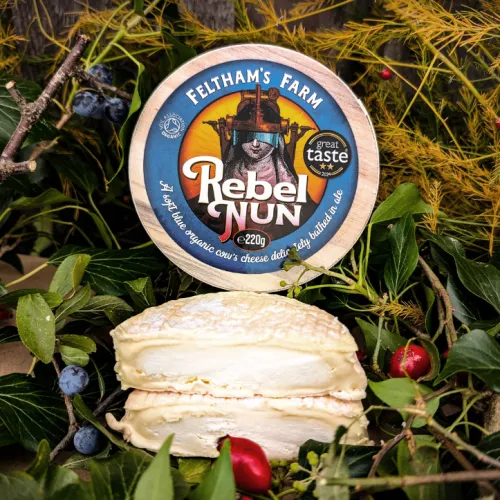
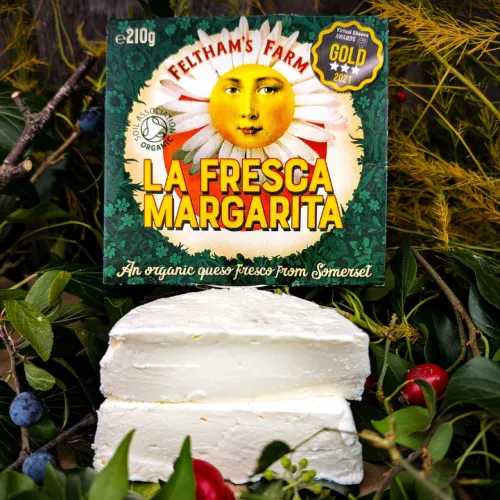
Welsh producers come from well beyond Conwy, making the feast a useful survey of what north Wales does particularly well. Cheesemakers from the region have been finding their confidence again — some working with traditional recipes, others applying continental methods to local milk. The brewing and distilling revival is well represented: Welsh whisky, gin shaped by local botanicals, craft ales from producers who have grown quickly in recent years.
Cooked food leans into local specifics rather than offering a generic festival mix. Conwy mussels, steamed and served simply, are a natural centrepiece — their flavour is clean and distinctly estuarine, different in character from mussels farmed in open water. Welsh lamb appears in various forms, from the straightforwardly grilled to the slow-braised. Baked goods, preserves and honey from the surrounding countryside fill out the rest.
Cooking demonstrations give producers and chefs space to explain their work properly, which is where these events earn their keep. Understanding why a mussel from a hand-raked estuary fishery tastes different from a rope-farmed one, or what distinguishes a cheese made from the milk of mountain-grazed sheep, makes everything you subsequently buy taste better. The demonstrations are worth building your day around.
Where it sits in the Welsh food calendar
Wales has developed a serious food festival circuit. Abergavenny, in the south-east, is the largest and most established — a town-wide event drawing producers and speakers from across Britain and beyond. The Royal Welsh Show at Builth Wells, held in summer, anchors itself in agricultural produce but carries a substantial food element alongside the livestock judging and rural crafts. Gwledd Conwy Feast occupies a different register: smaller, focused on the north, rooted in a coastal and upland landscape that neither of those events represents.
The three are complementary rather than competing. Each adds something the others don't, and Conwy — arriving in autumn when the mussel season is well under way and hill lamb is at its best — makes a strong case for its timing within that wider calendar.
Planning a visit
Gwledd Conwy Feast is usually held in autumn; check the official Conwy festival website for this year's dates. Parking inside and around the walled town is limited and the festival draws a crowd, so arriving by train is worth considering — Conwy station sits just outside the walls, and the walk in takes under five minutes. The quayside gets busy at peak times, particularly around the seafood stalls, so an early start gives the best access to both produce and the producers themselves.