The cold plate comes first
Before anything goes near a hob, consider what needs no cooking at all. Cold turkey sliced thin, a few curls of ham, sharp pickles and chutney on the side: that is Boxing Day lunch at its most honest. A good piccalilli cuts through the richness of the bird; a dark, winey chutney does the same for ham. Bread, butter, the remnants of any cured meats from the fridge — this is a meal that asks almost nothing of you, which is entirely the point.
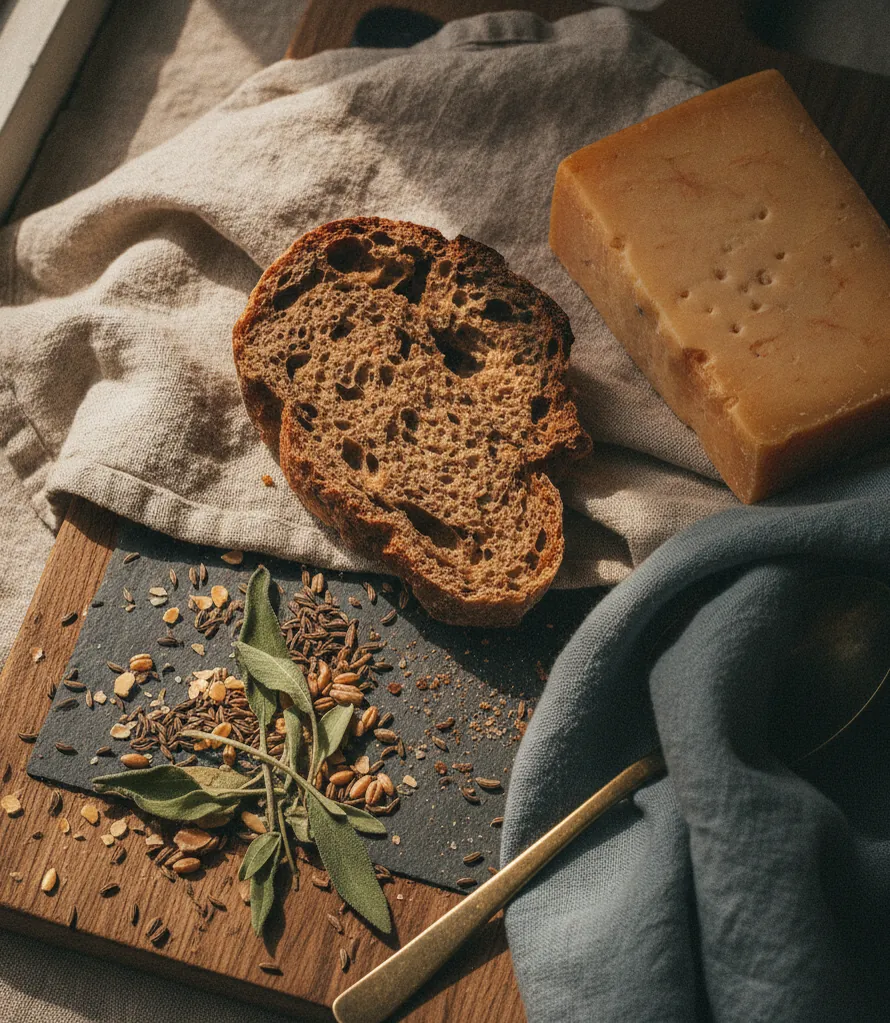
The cheeseboard deserves its own moment here. Whatever survived Christmas Day rarely goes to waste, and leftover cheese has more possibilities than most people give it credit for. We have covered this in our leftover-cheese piece, but the short version is: most hard and semi-hard cheeses keep well, and many improve after a few days wrapped and rested in the fridge.
Hot dishes worth making
Bubble and squeak earns more Boxing Day loyalty than almost anything else — roast potatoes and Brussels sprouts pressed together in a hot pan until the outside crisps and the inside stays soft. We have covered the details and tradition in our bubble and squeak article; the one thing worth repeating is: don't skip the high heat and don't rush the crust.
Turkey pie and turkey curry are the two directions most cooks take with the bulk of the bird. A curry — warmly spiced rather than searingly hot, with a sauce allowed to reduce — absorbs leftover turkey more gracefully than you might expect. A pie is about comfort: thick, creamy filling, a good shortcrust or puff lid, whatever vegetables remain. Neither requires a recipe so much as a willingness to be generous with seasoning.
Ham and pea soup earns a mention of its own because the ham bone — or the stock from boiling a gammon joint — makes an extraordinary base for nothing extra. Split peas or dried green peas, a ham bone, and time: the result is thick, smoky, and deeply savoury in a way that fresh ingredients cannot replicate.
Christmas pudding fried in butter
Cold Christmas pudding, sliced and fried in butter until the cut sides caramelise, sounds as though it shouldn't work and then completely does. The exterior goes slightly crisp and almost toffee-like; the inside stays dense and spiced. It is a very different thing from the steamed pudding of Christmas Day, and that contrast is what makes it worth doing. A spoonful of leftover brandy cream alongside doesn't hurt.
Storing everything safely
All of this relies on leftovers being stored well. The Food Standards Agency publishes current, specific guidance — always check there rather than relying on figures that may change — but the core principles are consistent. Cool leftovers quickly after the meal and refrigerate them promptly; don't leave food sitting out while the day unfolds around it. Once refrigerated, aim to eat leftovers within a couple of days. When reheating, make sure food is steaming hot all the way through, and reheat each portion only once.
Dividing large amounts into smaller containers helps them cool faster. A whole roasting tin of stuffing sitting in a warm kitchen for an evening is not ideal; the same stuffing split into two dishes and moved to the fridge promptly is a different matter entirely.
The Boxing Day mindset
What makes Boxing Day food satisfying is the absence of pressure. Nothing has to be a centrepiece. The cooking is intuitive, the ingredients are already there, and the best results come from restraint rather than ambition — a cold plate assembled well, a bubble and squeak given time to form its crust, a bowl of soup simmered slowly. The Christmas kitchen has already done its hard work. Today, the leftovers earn their keep.