The case against the lazy bundle
There is a category of cocktail gift set that amounts to a mid-range spirit, a tin of something tangentially related, and very little else. The recipient smiles, puts it on a shelf, and never makes the drink. It fails not because the ingredients are bad but because nobody thought hard enough about the gap between opening the box and having a glass in hand.
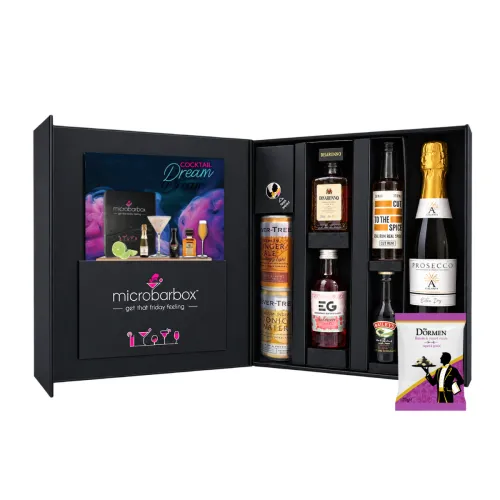
A well-designed set closes that gap. Everything the drink needs is there — the right spirit in a size that suits the serves promised, a recipe card with actual ratios, mixers or syrups that taste fresh rather than synthetic, and any garnish that travels well and keeps. That last detail matters more than it sounds: a dried orange wheel or a jar of cocktail cherries signals that someone thought this through to the glass.
What the drink actually needs
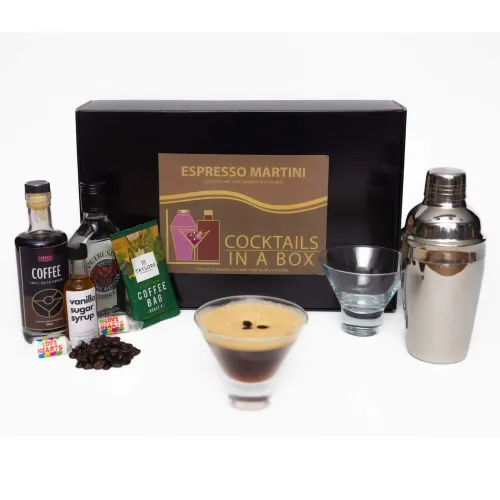
The best kits are built around cocktails with clear, non-negotiable ingredients. An espresso martini set needs vodka, coffee liqueur, and something to replicate the intensity of fresh espresso — a concentrated cold brew or a good espresso syrup does the job honestly. A French martini requires vodka, raspberry liqueur, and pineapple juice; miss any one and the drink is wrong. A negroni is equal parts gin, sweet vermouth, and Campari — kits that approximate the vermouth or swap the Campari for something cheaper undermine the whole point.
The old fashioned is a useful test case because it looks simple: bourbon or rye, sugar, bitters, an orange peel. A good kit provides quality bitters, a proper demerara syrup rather than a sugar cube that most people won't know what to do with, and clear guidance on expressing that orange peel. When those details are right, the recipient makes a drink they're proud of. When they're fudged, the whole exercise feels like guesswork.
Numbers that actually matter
Check how many serves the kit genuinely makes. Some are designed for one occasion — a couple of drinks for two people, a Friday evening sorted. Others are built to last several weeks. Neither is wrong, but misreading this is how a gift that looks generous turns out to feel stingy once the box is open. If the spirit is a full-sized bottle, the mixer quantity should match it; if it's a miniature, everything else should be scaled accordingly.
Glassware sometimes comes included, and a coupe or rocks glass adds obvious visual appeal. The practical drawback is weight and fragility in transit — worth considering if the set is being posted rather than handed over in person. Many recipients already own serviceable glasses; a set without them is not a lesser thing.
Alcohol-free kits are not a compromise
The alcohol-free category has matured considerably. Several producers now make kits centred on genuinely interesting zero-proof spirits rather than soft-drink-adjacent syrups. A kit worth buying in this space treats the absence of alcohol as a starting point rather than an apology — one built around a specific non-alcoholic spirit with its own character, matched to mixers that complement it. The same logic applies as for alcoholic versions: the drink should have a clear identity, not just a list of things that happen to be alcohol-free.
How to read a kit before you commit
A few things worth checking before buying:
- Is the recipe specific? A card that gives actual proportions is more useful than a paragraph of tasting notes.
- What is the mixer, exactly? A named producer or a clear ingredient list suggests real thought went into it. "Premium cocktail syrup" with no further detail is less reassuring.
- Do the quantities match? Spirit volume and mixer volume should align with the number of serves advertised.
- Is there a garnish? Dried citrus, cherries, or cocktail picks are small additions that make the finished drink feel complete.
- Does it need anything else? Ice is a given, but if the drink requires a cocktail shaker and the kit doesn't include one, make sure the recipient has one.
The difference between a forgettable bundle and a genuinely good kit is usually not price — it's whether whoever designed it actually made the drink first.