Why nuts go off faster than you expect
Nuts are high in natural oils, and those oils are what makes them go rancid. There's rarely a dramatic smell — instead, a stale nut tastes faintly bitter, or carries an odd paint-like aftertaste that's hard to place but impossible to ignore once you know it. Heat, light and air all accelerate the process, making an open bag in a warm kitchen about the worst possible storage situation.
Airtight containers are the single most important step. A cool, dark spot extends shelf life further — a larder shelf beats a cupboard near the oven every time. For anyone who bakes only seasonally, freezing is worth taking seriously. Whole nuts freeze well in sealed bags, need no special preparation, and can go straight from freezer to mixing bowl. Chopped or ground nuts have more surface area exposed and turn faster, so they benefit from freezing even more.
Where you buy also matters. A specialist grocer or busy independent deli cycles through stock regularly; nuts that have been sitting under shop lights for months are already part-way to stale before you get them home. Buy little and often, or buy from somewhere you trust, rather than in bulk unless you have reliable freezer space.
Dried fruit: a different problem
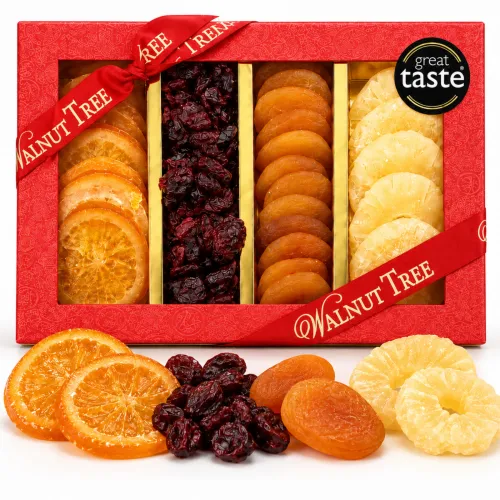
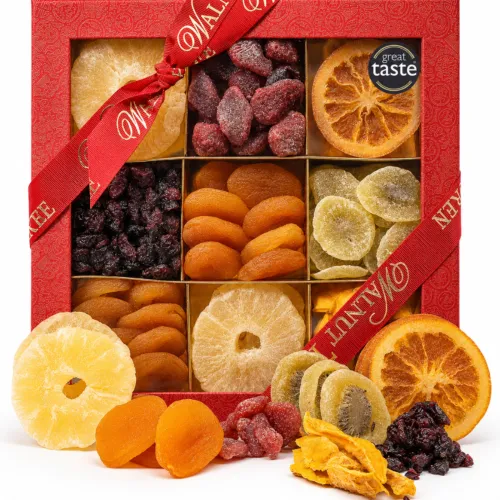
Dried fruit keeps considerably longer than nuts, but it isn't indestructible. Left in a poorly sealed bag, it loses more moisture and becomes leathery — it won't absorb brandy or other spirits readily, and it can give baked goods an unpleasantly chewy texture. On very sugary fruits such as cranberries or glacé cherries, a white crystalline coating may appear over time. This is natural sugar migrating outward; it doesn't indicate spoilage, but it is a sign the fruit is ageing.
Store dried fruit in sealed jars or airtight containers rather than the original plastic bags, which rarely reseal properly. A cool, dark cupboard works well. Refrigeration isn't necessary but causes no harm.
Plumping fruit before it goes into the mix
Fruit that has dried out further in storage benefits from soaking before baking. The traditional method for a Christmas cake involves macerating fruit in spirits or juice overnight — or longer — partly for flavour, but also because well-hydrated fruit stays plump through a long bake rather than pulling moisture from the surrounding batter. Even fruit that seems fine will respond well to a soak. For mincemeat, the same principle applies: shrivelled sultanas or currants will upset the balance between moist and dry ingredients.
A brief warm soak in orange juice or tea works faster than a cold overnight steep if time is short, though the flavour exchange is less thorough. The aim is fruit that feels soft and yielding, not spongy or waterlogged.
Check dates before the cake goes in
Best-before dates on nuts and dried fruit are worth treating with scepticism in both directions. A nut stored carelessly can taste rancid well before its date; properly frozen nuts may still be good a year past the date on the packet.
The most reliable tests are sensory. Taste a nut before it goes into anything — any bitterness or off-flavour means discard it. Smell the dried fruit: it should smell clean, sweet and faintly of the fruit itself. A musty or fermented odour suggests something has gone wrong, and the whole batch should go in the bin rather than into a bake that takes hours of effort.
Where possible, buy the season's new-crop nuts and freshly packed dried fruit rather than relying on whatever survived from last year. Many independent food shops restock their seasonal baking lines in early autumn — a useful moment to refresh anything that has been sitting since the previous Christmas.