Temperature is the first thing to get right
Chocolate is happiest somewhere cool and stable — the high teens Celsius is the range most commonly cited by makers and chocolatiers. What matters as much as the number, though, is consistency. Fluctuating temperatures cause the cocoa butter inside to contract and expand, which eventually leads to bloom: that pale, dusty or streaky film on the surface that looks alarming but is essentially harmless. The chocolate is still edible, but the texture turns grainy and the snap goes flat.
A consistently cool room or a pantry away from the hob and the kettle is the ideal. Avoid windowsills, the top of the fridge (warmer than you'd think), and anywhere near a radiator.
Why airtight storage matters more than a drawer
Chocolate absorbs surrounding smells with surprising efficiency. Leave a bar unwrapped near coffee, onions, or strongly scented cleaning products and it will carry a ghost of those flavours into the first bite. This is not a mild theoretical risk — it is the reason fine chocolatiers seal their products carefully, and why you should do the same once a bar is opened.
The original packaging, folded tightly and placed inside a zip-seal bag or a tin with a close-fitting lid, does the job well. Cling film pressed directly against the cut surface works too. The point is to limit air contact and keep the chocolate away from anything with a strong odour.
Why bars outlast filled chocolates
A plain chocolate bar — dark, milk or white — has relatively little in it to deteriorate quickly. The main vulnerability is fat bloom from temperature change, and off-flavours from poor storage. Handled well, a good bar can remain in excellent condition for considerably longer than the best-before date suggests.
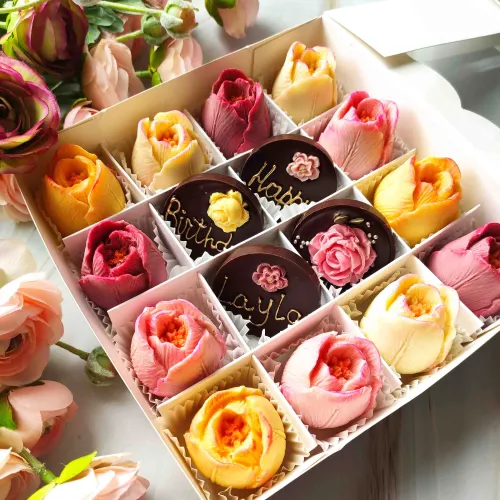
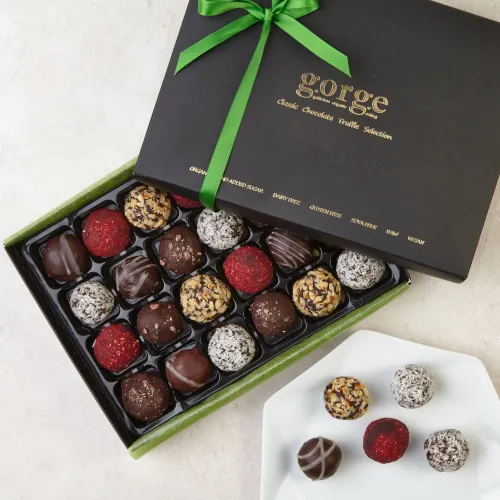
Filled chocolates are a different matter. Truffles, ganaches and pralines contain cream, butter or other fresh ingredients that carry their own, shorter shelf lives. The chocolate shell protects them to a degree, but it cannot do so indefinitely. Moisture from the filling can migrate outward over time, softening the shell and dulling the snap. This is why a box of handmade truffles from an independent chocolatier usually comes with a firm eat-within guidance — not marketing caution, but practical reality.
If you are buying artisan filled chocolates as a gift or for a special occasion, check any dates on the packaging and plan accordingly. Do not assume they behave like a bar.
The fridge question
The fridge is not the enemy of chocolate, but it is a last resort rather than a first choice. The main problems are condensation and odour. When cold chocolate is brought out into a warmer room, moisture forms on the surface — this can cause sugar bloom, a rough, speckled texture that is distinct from fat bloom and equally unwelcome.
If refrigeration is genuinely necessary — during a hot summer, or if your kitchen runs warm — wrap the chocolate meticulously in two layers: its own packaging first, then a sealed bag or airtight container. When you take it out, leave it sealed and let it come up to room temperature gradually before unwrapping. This reduces the risk of condensation significantly.
The fridge is most defensible for filled chocolates that explicitly require chilling, or for very warm periods when the alternative is chocolate that has already softened and bloomed on the worktop.
Light, and other things people overlook
Direct light — particularly sunlight — accelerates the degradation of both flavour and texture. It also raises the local temperature around the bar, which compounds the bloom problem. A cupboard or drawer beats an open shelf, even in a cool room.
One detail worth holding onto: dark chocolate, with its higher cocoa content and lower milk solids, generally handles storage better than milk or white. The dairy fats in milk and white chocolate are more susceptible to picking up off-flavours and to rancidity over time. None of this means avoiding them — it means buying what you will eat within a sensible period, and storing it with a little more care.