Why the big assortment box often misses
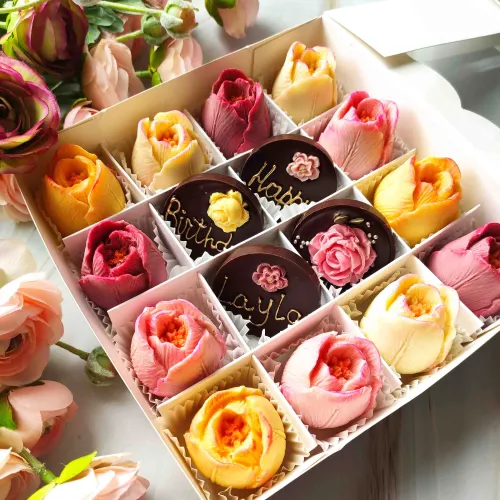
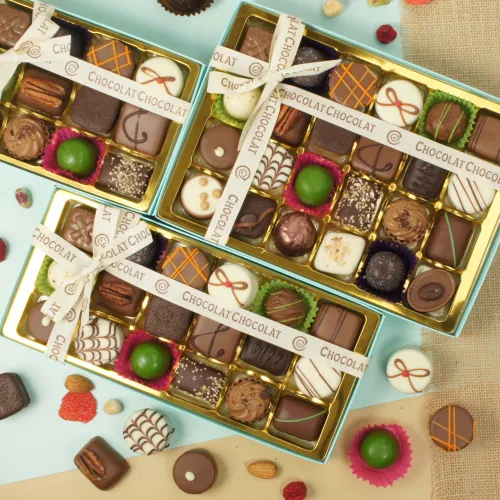
Someone who has started paying attention to chocolate — who reads the wrapper, who notices the difference between a 70% and a 72% — is likely to find a large assortment of soft centres beside the point. What they care about is origin, process and percentage. A gift that addresses those things will mean more, and will probably get eaten more slowly, which is its own kind of compliment.
The alternative is a tasting set built around a theme: a single producer's range across different origins, or a line-up of bars from several bean-to-bar makers sharing a single percentage. Either format turns the eating into something closer to active comparison — each bar has something specific to say.
The axes that matter: origin, style and maker type
Origin versus blend. Single-origin chocolate uses cacao from one defined place — a country, a region, sometimes a single farm or cooperative — and the flavour reflects that geography. Blends are built for consistency and balance, which has its own merit, but single-origin bars give a recipient something to compare. A set of three or four single-origin bars from the same maker is a particularly effective format: the variable is the cacao, not the craft, so the differences land clearly.
Dark, milk or white. The instinct is often to default to dark for a serious chocolate lover, but that is changing. Good milk chocolate — properly made, with a higher cacao percentage than mainstream products — has had a revival among small makers. White chocolate, which contains no cacao solids but uses the cocoa butter, has also improved considerably as bean-to-bar makers have started producing their own rather than buying commodity-grade versions. A set crossing all three categories can be genuinely illuminating rather than merely eclectic.
Bean-to-bar versus chocolatier. These are two distinct crafts. Bean-to-bar makers control the process from raw cacao through to the finished bar — roasting, cracking, conching and tempering in their own workshop. A chocolatier typically buys ready-made couverture and works with it: tempering, filling, coating, adding flavour. Both can produce exceptional results, but they are doing different things. We have covered each craft in separate articles, worth reading alongside this one if you want to understand what you are buying.
Pairing gifts: the easy upgrade
A tasting set becomes a more considered gift when it arrives alongside something to drink. The pairings that work best share a structural quality with the chocolate rather than just sweetness.
- Port — particularly a tawny, with its dried-fruit and nut character — is a long-standing companion to dark chocolate. The tannins in each soften against the other.
- Whisky, especially a lightly peated Scotch or an Irish single malt, can find common ground with high-percentage dark bars that carry earthy or smoky notes. It is an unexpected pairing that serious chocolate lovers often haven't tried.
- Coffee benefits from specificity: a bag of single-origin filter coffee from a small roaster, matched to chocolate from the same broad growing region, makes the geography feel intentional rather than accidental.
A small bottle, a bag of good coffee, a brief handwritten note explaining the connection — that is enough to move a chocolate gift from generous to thoughtful.
Storage, bloom and summer delivery
Chocolate dislikes warmth, humidity and strong smells. Stored near coffee or spices, it will absorb them. The ideal is somewhere cool, dark and dry, away from the fridge if possible — refrigeration can introduce moisture and taint the flavour. If the recipient is likely to keep bars for a while, include a note saying so.
Bloom — the greyish-white haze that sometimes appears on a bar's surface — looks like deterioration but is not. Fat bloom occurs when cocoa butter migrates as the chocolate warms and re-cools; sugar bloom forms when moisture reaches the bar. In either case the effect is cosmetic and the chocolate remains good to eat.
Summer gifting needs particular care. Chocolate sent by post in warm weather can arrive soft or partially melted even if it solidifies again. We have written separately about posting chocolate — insulated packaging and expedited delivery matter considerably more in July than in January. If you are buying from a small maker, check whether they pause postal orders during a heatwave; good ones often do.
Finally, look for bars with a harvest note or an origin story on the wrapper. A recipient who cares about chocolate will read it — and that, really, is the whole point.