Why the accessories matter
Anyone serious about cheese already knows where to buy it. What they're less likely to have sorted is the supporting cast: the things that make a ripe Époisses sing at the table rather than sweat under cling film in the fridge. That's where a well-chosen gift does real work.
The trap is novelty. Cheese-shaped cufflinks, boards laser-etched with puns, knives packaged in gift sets that feel substantial but cut nothing cleanly — these end up in a drawer. The gifts that get used solve a problem the recipient didn't know they had, or replace something worn and well-loved with something better.
The board and the wire
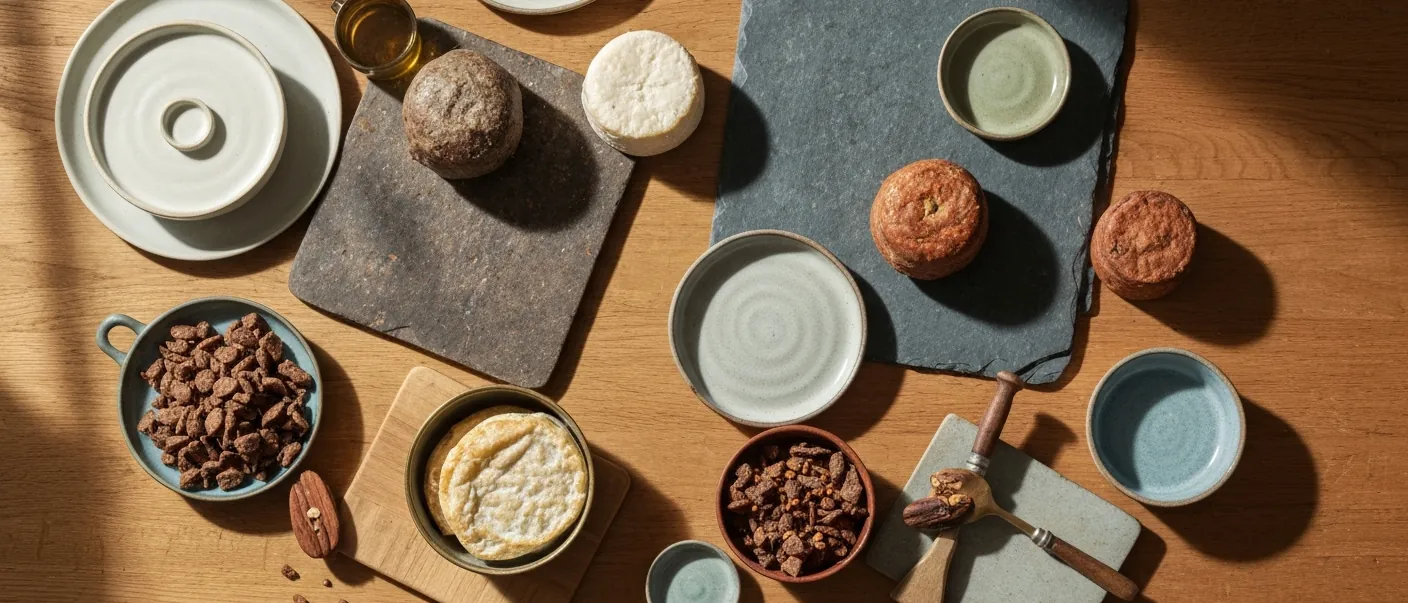
A good serving board is foundational. Marble and slate stay cool, which matters more than aesthetics — a cold surface slows the rate at which soft cheeses run. Solid hardwood boards, particularly end-grain, are kinder to knife edges and last years with minimal care. Avoid anything too small to hold three cheeses with breathing room between them, or anything with a lip that makes it hard to slice against.
A cheese wire looks like a luxury and turns out to be a necessity. Cutting a crumbly Lancashire or a sticky Époisses with a conventional knife is an exercise in frustration — the wire gives a clean, confident cut with no dragging, no smearing. Anyone who uses one once will never go back.
Cheese paper: the detail that makes a difference
This is the gift most enthusiasts haven't bought themselves because it doesn't feel urgent until they understand what it does. Standard cling film seals moisture in and cuts off airflow — exactly wrong for a living cheese. The rind suffocates, the paste turns ammoniac, and a cheese that had days left suddenly has hours.
Proper cheese paper — the two-ply waxed and porous kind — lets the cheese breathe while retaining just enough humidity. It's the wrapping used by good cheesemongers, and having it at home changes how long a well-chosen piece actually keeps. A box costs very little relative to the cheese it protects, which makes it an excellent gift.
Pairings worth giving
Preserves reward specificity. A generic fruit chutney sits on the shelf; a quince paste made for cutting into thin slabs beside aged manchego, or a fig conserve with enough acidity to lift a creamy brie, gets used and remembered. Honeycomb earns its place too — raw and waxy, broken over a blue at the table, it's one of the simplest pleasures in the British cheese tradition.
Look for small-batch producers whose labels tell you something about intent: a named cheese or style is far more useful than a vague "pairs with cheese". The gift, in this case, is as much the knowledge as the jar.
Subscriptions and cellar boxes
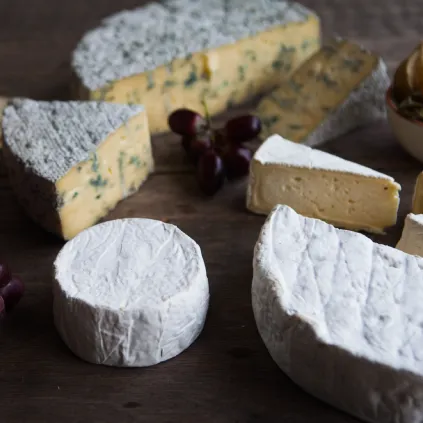
For the enthusiast who already owns the kit, a subscription or a well-composed cellar box does something no single item can — it introduces them to makers and styles they might not have sought out themselves. The best subscription services work with a rotating roster of British and European affineurs and deliver cheeses at the right moment of ripeness, something a supermarket shelf almost never achieves.
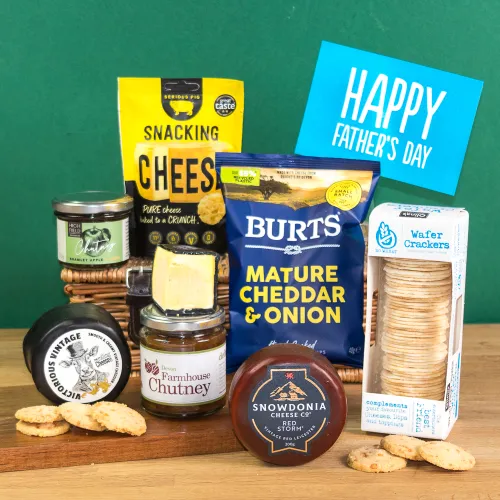
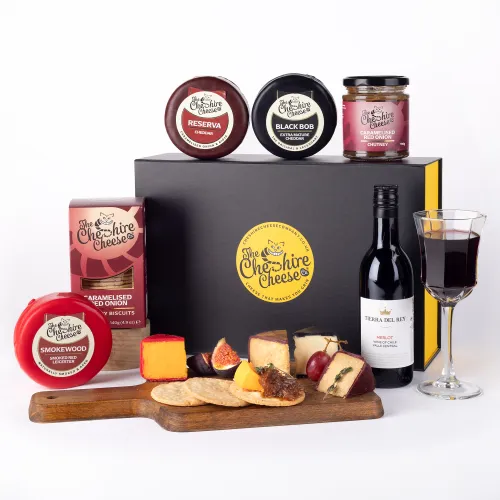
A cellar box — a selection of whole or half cheeses chosen around a theme, a season or a region — works well as a one-off gift for those who prefer something with a clear beginning and end. What distinguishes a good one from a luxury hamper is intention: the cheeses should have a relationship to each other, not just a collective retail value. A recurring subscription suits someone who wants ongoing discovery; a single box suits someone who prefers a considered, finite gesture.
The most useful gift in this space connects someone to a producer or tradition they'll go looking for again on their own — not a novelty, but a door left open.