A city with its own larder
London's food identity is often assumed to be borrowed — a reflection of every culture that has ever settled here. That is partly true. But beneath it sits a set of genuine London specialities: dishes and cured goods that either originated here or were so thoroughly absorbed into working-class and market life that the city can fairly claim them.
Those specialities span both street-level tradition and the protected food names that now carry legal weight.
The London cure and what makes it different
London cure smoked salmon holds Protected Geographical Indication (PGI) status: the name is legally protected, and the method must be carried out in Greater London to qualify. The cure is restrained — less smoke, longer curing, a lighter hand than many Scottish or continental styles. The result is salmon that is silkier and more delicate, with the fish flavour leading rather than the smoke. It is traditionally served simply, on brown bread with a little lemon, because the point is the salmon itself.
The tradition grew from London's East End, where Jewish immigrant communities brought expertise in curing and smoking fish. The smokehouses they established gave the cure its character, and that character has been codified rather than altered by its protected status.
Pie and mash, and the eel underneath it
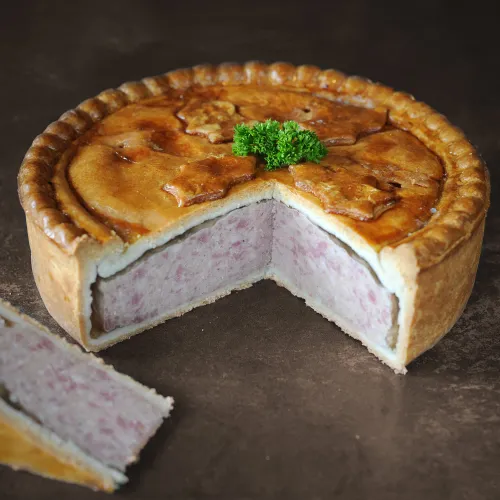
Few London foods are as misunderstood by outsiders as pie and mash. This is not pub food. It is a specific, austere working-class tradition: a minced beef pie, mashed potato, and liquor — a parsley sauce made from the water used to cook eels, green and sharply herbal. The eel connection is the key detail. For generations, jellied or stewed eels were sold alongside pie and mash in the same shops, the Thames and its tributaries once supplying enough eels to make them a staple protein for poorer Londoners.
The shops themselves — tiled walls, marble counters, wooden benches — are part of the experience. A dwindling number survive, almost all in south and east London, and they tend to be family-run across several generations. Eating in one is less like visiting a restaurant and more like stepping into a particular moment in the city's social history.
Chelsea buns
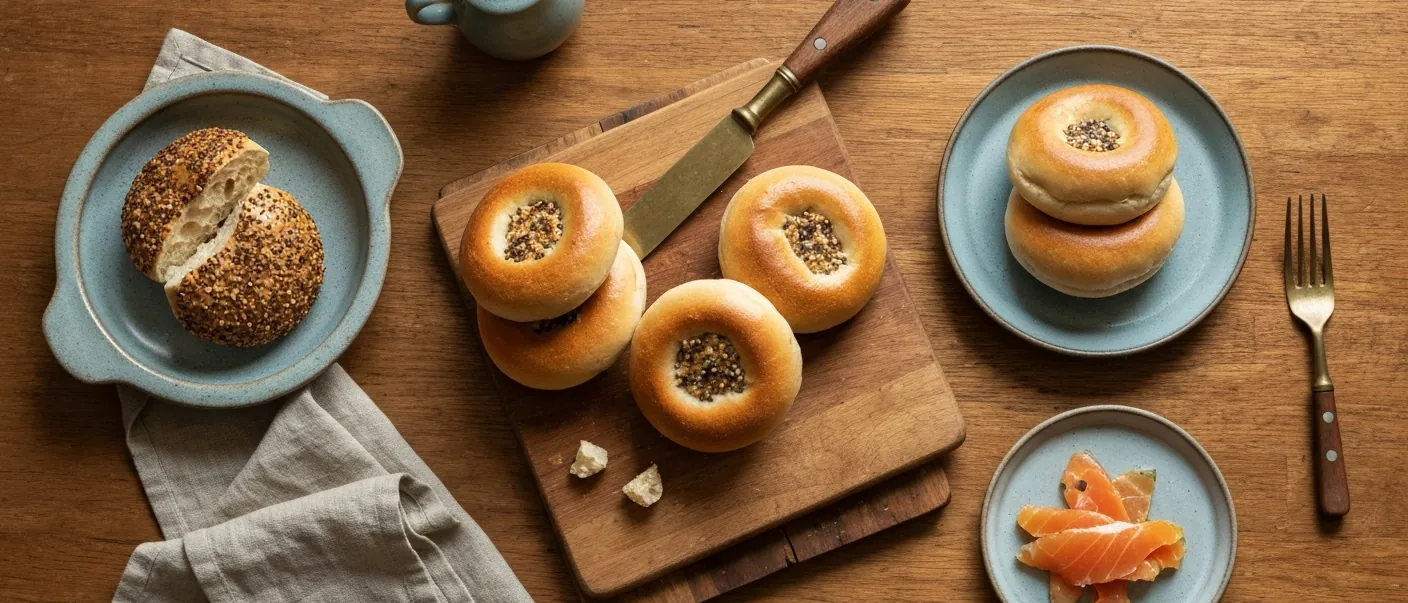
The Chelsea bun is a sticky, enriched dough wound into a square spiral, filled with dried fruit and spice, and finished with a sugar glaze. It is one of the few London baked goods with a genuinely specific origin: the Bun House in Chelsea, a bakery that drew crowds from across the city during its years of operation. The bun's shape — a flat, slightly pulled square rather than a round swirl — remains distinctive. A properly made Chelsea bun has a yielding, close crumb that holds the filling without becoming sodden.
Good versions are still found at London bakeries and market stalls, and the form has remained largely unchanged — which says something about how well it was conceived.
Borough Market and the market hall tradition
London has a long tradition of food markets, and Borough Market on the South Bank is among the oldest continuously trading markets in the country. It functions today as both a retail destination, with producers selling directly to the public, and a wholesale operation. Its significance to London's food identity is real: producers from across Britain bring goods here, and the market has championed British and regional food in ways that have shaped how London thinks about provenance and craft.
Borough is the most prominent, but it belongs to a wider culture. Market halls and covered food markets have returned to London in number, operating in railway arches, repurposed industrial buildings, and Victorian structures that fell out of use. The model of independent traders under one roof has been central to how Londoners buy food for centuries — recent openings are a continuation, not an invention.
What connects these specialities — cured salmon, eel liquor, sticky buns, market stalls — is that they are all products of density and exchange. London's food culture has always been shaped by the pressure of feeding a vast population and by the steady arrival of people who brought new techniques and applied them to local ingredients. The London cure is the clearest example: an immigrant tradition, a Thames-side ingredient, a method refined over generations, and now a legally protected name.