What an oatcake actually is
The Scottish oatcake is not what you might expect if you know the soft, pancake-like Staffordshire oatcake — a quite different thing worth an article of its own. This is a thin, dry, crisp round (or triangle) made from oatmeal, a little fat, salt, and hot water. That is the full ingredient list. What separates a good oatcake from a mediocre one lies almost entirely in the grade of oatmeal used and how well the dough is handled and cooked.
Oatmeal in Scotland has never been a single thing. Pinhead oatmeal — the coarsest grade, cut from the whole groat — gives an oatcake a pronounced, slightly chewy bite and a nutty depth of flavour. Rough oatmeal sits just below that, giving real texture without the sharpness of whole pieces. Medium is the most common grade for commercial oatcakes: it produces a balanced crumb that holds together well and crisps cleanly. Fine oatmeal behaves a little like flour and produces a much more delicate, smooth-surfaced result. Many bakers blend two grades — the structure of fine with the character of something coarser — and that balance is often what makes one producer's oatcake distinctive from another's.
The girdle and the fire
Traditionally, oatcakes were cooked on a girdle — the Scots word for what the English call a griddle, a heavy flat iron plate set over the heat. The oatcakes were placed on the girdle to set and firm on one side, then moved to dry and crisp in front of an open fire or in the residual heat of a range. This two-stage process matters: the girdle cooks the oatcake through, while the slow drying drives out moisture without burning, giving the finished biscuit its characteristic snap. Modern ovens replicate the same logic, but the principle is unchanged. An oatcake that has not dried properly is soft in a way that is easy to mistake for freshness; a properly made one should break cleanly, not bend.
Fat and shape
The fat used has shifted over generations. Beef dripping and lard were the traditional choices — both available in farmhouse kitchens, both giving a slight richness that bound the oatmeal without softening it. Butter became a more widespread option in time, and most commercial oatcakes now use a vegetable fat, which keeps the biscuit suitable for vegans and extends shelf life. Fat is always used sparingly: too much and the oatcake becomes crumbly and greasy rather than crisp and cohesive.
The shape most associated with Scottish oatcakes is the farl: a quarter-circle cut from a round. Roll or press the dough into a circle, score it into four, and bake the triangles separately. The word is shared with other Scottish and Irish baked goods and simply means a quarter-portion. Many commercial oatcakes are now sold as full rounds, which are easier to package uniformly, but the farl remains the shape that feels most at home on a cheeseboard or alongside a bowl of soup.
What to eat them with
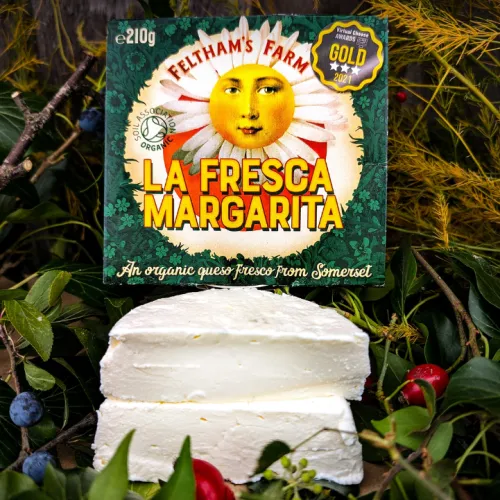
The oatcake's mild, slightly savoury quality makes it a sound base for anything that benefits from a plain, crisp platform. With cheese it performs particularly well: the oatmeal flavour holds its own against a strong Cheddar or a crumbly Lancashire, and the texture is firm enough to carry a generous wedge. A soft, washed-rind cheese spread directly onto a farl — no butter needed — has little competition from anything wheat-based.
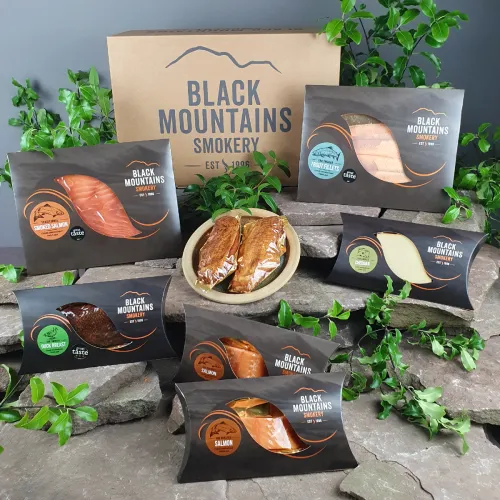
Smoked fish is another natural pairing. Smoked salmon, smoked mackerel pâté, or a fillet of hot-smoked trout all find a good companion in the oatcake's earthiness. The slight roughness of a medium or coarse oatmeal version catches the oils usefully. Game pâtés and potted meats work similarly well. Where a plain cracker might taste neutral to the point of invisibility, an oatcake brings just enough of its own flavour to make the mouthful more interesting without overcomplicating it.
Buying well
The best guide to a good oatcake is the ingredient list. Short and recognisable — oatmeal, fat, salt, water, possibly a raising agent — is a good sign. If oatmeal appears as the first ingredient rather than a flour blend with oatmeal added for effect, better still. Producers who name the grade of oatmeal they use are generally those who have thought carefully about why it matters.
Oatcakes keep well in a tin or airtight container. They are at their best within a few weeks of opening, before the fat in the oatmeal begins to turn stale — a problem more noticeable in coarser varieties, where the oils have more surface area exposed.