The plant behind every cup
Whatever is in your mug — a grassy Japanese green, a smoky Lapsang, a golden Darjeeling — it almost certainly began as a leaf from Camellia sinensis. This single flowering plant is responsible for every style of tea the world drinks, with the only exceptions being herbal infusions that are not, technically, tea at all. What separates a pale, delicate white tea from a deep, malty Assam black is not variety or terroir alone, though those matter. It is what the maker does to the leaf after picking, measured in hours and sometimes minutes.
The key process is oxidation. Bruise or break a tea leaf and its enzymes are exposed to air; they begin to react, darkening the leaf and transforming its flavour compounds. Left unchecked, the leaf turns fully brown and the resulting tea is rich and strong. Stop that process early with heat — typically by steaming or pan-firing — and you preserve the green, grassy character the plant started with. The maker's control over that window defines the category.
Green, white and the lightest touch
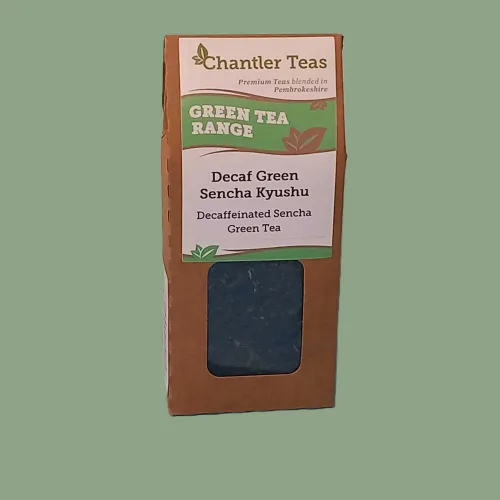
Green tea is heated quickly after picking, before significant oxidation can take hold. The result retains the leaf's original chlorophyll and lighter aromatics — fresh grass, steamed vegetables, occasionally a clean marine note in Japanese styles, or something toasty and nutty in Chinese pan-fired versions. Almost no colour change happens to the leaf, which is why it stays green.
White tea takes an even more hands-off approach. The leaves and buds are allowed to wither and dry with minimal handling — no rolling, no bruising, very little oxidation. The flavour tends toward the subtle and floral, sometimes almost sweet, and the liquor is the palest of all the styles. It is the closest you can get to the character of the raw leaf.
Oolong and the art of stopping halfway
Oolong occupies the entire spectrum between green and black, which is why oolongs can seem so different from one another. The maker bruises the leaves — sometimes gently, sometimes vigorously — lets oxidation begin, then halts it at a chosen point. A lightly oxidised oolong might be almost green, floral and fresh. A heavily oxidised one can be dark, roasted and nearly indistinguishable in colour from a black tea. They are, in a sense, all fixed at different points on the same dial.
The skill lies in reading the leaf and deciding when to apply heat. Too early and you lose the complexity that partial oxidation creates; too late and you have made a black tea by another route. Experienced makers judge this by colour, smell and touch rather than any fixed clock.
Black tea and how Britain came to drink it
Black tea is fully oxidised — the process runs its course before the leaf is dried and fired. It is the most stable of all the styles: it keeps well, travels well, and brews into the deep amber colour that most British drinkers think of instinctively as tea.
That association is not accidental. Long trade routes from producing regions to Britain favoured a leaf that could survive the journey without deteriorating, and black tea was it. The addition of milk — which tames the tannins that full oxidation produces — became equally habitual. British tea drinking settled so firmly at the black end of the spectrum that other styles barely registered for most of the twentieth century.
Pu-erh sits outside this framework altogether. After processing, microbes act on the leaf over weeks, months or years, producing flavours — earthy, woody, sometimes mushroom-like — that oxidation control alone could never create. It is the most time-intensive style and, for newcomers, often the most challenging.
Why brewing temperature is not optional
Understanding oxidation explains something immediately practical: why green tea turns bitter in boiling water. The delicate compounds preserved by stopping oxidation early are easily overwhelmed by very high heat, which extracts tannins aggressively and fast. Green teas fare better at temperatures noticeably below boiling — the precise point varies by style, but the principle holds across the category.
Black tea, having been fully transformed by oxidation, is far more forgiving and genuinely benefits from fully boiling water. Oolongs sit in the middle, with heavily oxidised versions tolerating higher temperatures than lighter ones. White teas, despite their delicacy, can often handle hotter water than you might expect, because their low tannin content means bitterness is less of a risk.
Temperature is the adjustment worth making first when moving beyond black tea — it costs nothing and the difference in the cup is immediate. For more on getting the best from specific leaves, our pieces on single-estate tea and on brewing technique go further into the detail.