A biscuit with a paper trail
Most foods claim history vaguely. The Shrewsbury biscuit is different — it has a documented written record stretching back centuries, making it one of the few English biscuits whose name and character can be traced with some confidence through time. That alone sets it apart from the hundreds of regional bakes that vanished without leaving so much as a mention in a household account.
The biscuit is tied, as firmly as any food can be, to Shrewsbury — the county town of Shropshire, sitting in a loop of the River Severn near the Welsh border. Whether it was first made by a particular household, a market trader, or a confectioner is the kind of detail history tends to swallow. What survives is the thing itself: a crisp, round biscuit with a short, buttery crumb and a clean lemon flavour.
What the biscuit actually is
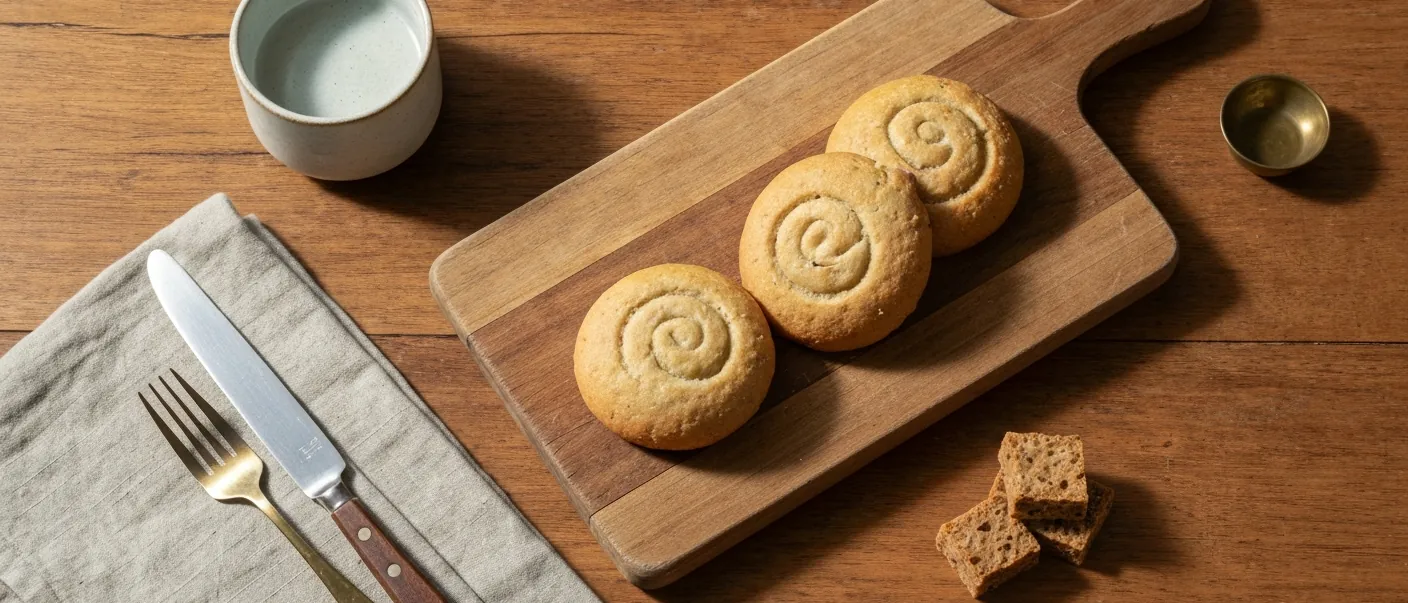
Strip away the heritage and you are left with something pleasingly direct. The Shrewsbury biscuit is a rolled and cut biscuit — firm enough to hold its shape, light enough to snap cleanly. Butter gives it richness without heaviness. Lemon, usually the zest, is the defining flavour note: bright and aromatic rather than sharp. Some versions carry a little spice, or a scattering of currants pressed into the top, but lemon is the thread running through almost every account of what a genuine Shrewsbury biscuit should taste like.
It belongs to a family of English biscuits once called fine biscuits — meaning they were made with good butter, sugar, and white flour rather than the rougher, harder ship's biscuits or bread rusks that the word once covered. Round, pale, and modestly sized, it looks almost plain beside modern biscuits engineered for maximum visual impact. The flavour is the point.
Shropshire's claim to it
Place names attached to foods are sometimes little more than marketing — applied freely, disputed cheerfully, and eventually forgotten. The Shrewsbury biscuit is a more serious case. The written record associates it specifically with the town over a long enough span that the connection looks genuine rather than opportunistic.
Shrewsbury served a prosperous agricultural county, drew visitors from across the Welsh Marches, and had the commercial life — inns, markets, confectioners — that would sustain a speciality biscuit with a local reputation. Whether the recipe originated there or was simply refined and named there is harder to say, but the association has held.
How it is eaten
The Shrewsbury biscuit has always been a biscuit in the older English sense: something to eat with tea or to offer a visitor, rather than to build into a dessert or crumble over a pudding. Its crispness and clean lemon flavour make it a natural companion to a plain cup of tea, holding its own without competing.
Some independent bakers in Shropshire and beyond still make versions close to the traditional form, and it occasionally appears at food markets and specialist shops. It is not a biscuit that benefits from being fussed over — the appeal is in the straightforwardness of it, the way butter, lemon, and crisp texture do exactly what they promise.
Why it matters now
Interest in regional British foods has grown steadily, and the Shrewsbury biscuit sits in an interesting position. It predates most of what we think of as the classic British biscuit repertoire — the digestive, the rich tea, the hobnob — and offers a glimpse of what biscuit-making looked like before industrialisation standardised the form. That is not nostalgia for its own sake. It is a reminder that Britain's food history is more varied and more specific than the supermarket shelf suggests.
For anyone curious about where British baking came from, the Shrewsbury biscuit is a useful point of reference: one of the few named English biscuits with enough documentary weight to feel genuinely historical rather than vaguely traditional. The fact that it is also, simply, a very good biscuit does not hurt.