A valley, not just a name
Most British cheeses with a place in their name have drifted some distance from that place. Swaledale hasn't. Both Swaledale cheese and Swaledale ewes' cheese carry PDO status — Protected Designation of Origin — which means they can only be made within Swaledale itself, the long, limestone-walled valley running through the northern Yorkshire Dales. The geography is the guarantee.
PDO is the highest tier of food protection available in Britain, the same designation held by Stilton and Cornish Clotted Cream. For Swaledale, it means the name on the label is a precise geographical claim, not a loose style description.
What the cheese is actually like
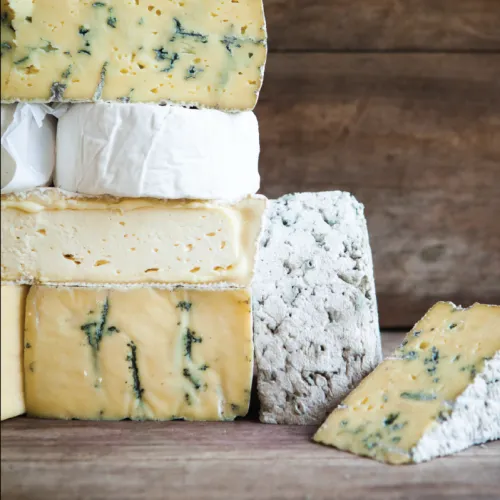
Swaledale is a moist cheese, noticeably so. Where many territorial cheeses aim for a firm, close texture, Swaledale sits between crumbly and supple — it holds together without being dense, and the rind has a natural, slightly rough appearance rather than anything waxed or pressed-smooth. The flavour is mellow rather than assertive: clean, lightly lactic, with a gentle depth that comes from the milk rather than from age.
The ewes' milk version follows the same broad character but brings a richer, slightly nuttier quality. Ewes' milk has a higher fat and protein content than cows', giving the cheese a creamier body and a flavour that lingers a little longer. The two are worth trying side by side — they share a family resemblance but are clearly not the same cheese.
Both versions belong to an older northern English tradition of farmhouse cheese-making that prized practicality and keeping quality over theatrical ripeness. The Dales had dairy farms, not caves and cellars, and the cheeses that evolved there reflect that.
The northern Dales tradition
The Yorkshire Dales have their own cheese geography. Wensleydale is the most famous — pale, crumbly, with a celebrated mild acidity — but Swaledale is its near neighbour, made just over the moors in a valley running roughly parallel. Both are rooted in small-scale dairy farming on upland pasture where the growing season is short and the grass, when it comes, is sweet and mineral-rich.
That upland pasture matters to the flavour in ways that are difficult to quantify but easy to taste. Milk from cows and ewes grazing limestone grassland carries something of the place — this is the principle behind terroir in cheese, as in wine, and it's why PDO protection makes genuine sense rather than being mere marketing apparatus.
Moist, pressed cheeses made on farms for local sale are now rare. Many similar cheeses disappeared as dairy farming consolidated through the twentieth century. Swaledale's survival and its protected status represent a living link to how the Dales fed itself.
How Swaledale is traditionally eaten
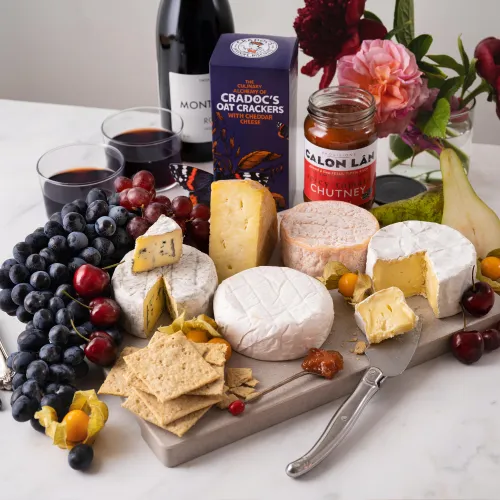
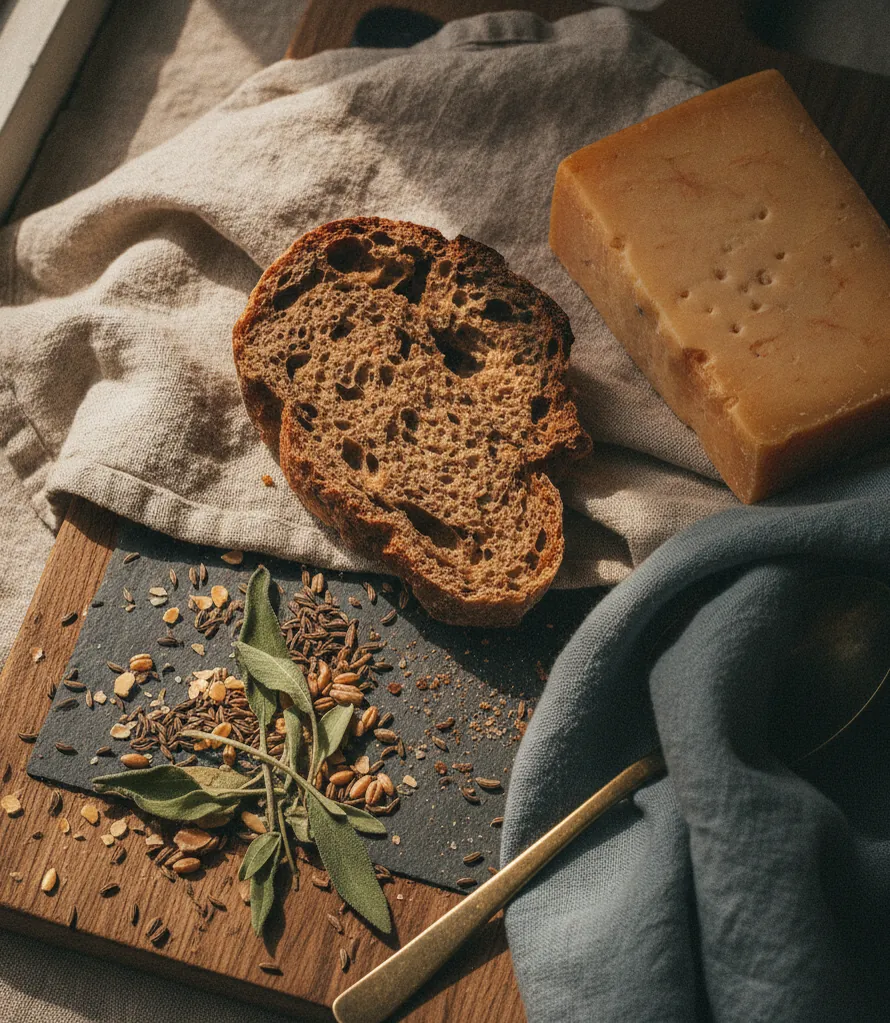
It doesn't need much. On a cheeseboard, decent crackers or bread and something tart — a chutney with real sharpness — work well against the mellow dairy character. The ewes' milk version takes a drizzle of local heather honey without complaint.
In the Dales, the cheese has long featured in a ploughman's-style meal, eaten simply and without ceremony. That restraint suits it. Swaledale is not a showboating cheese; it rewards attention rather than demanding it.
Finding and buying it
Because the PDO ties production firmly to Swaledale, you won't find it made at scale or stocked everywhere. Independent cheesemongers, specialist deli counters and farmers' markets — particularly those in and around Yorkshire — are the most reliable sources. Online specialists who source from small dairies can be worth exploring; check that what you're buying carries the proper PDO designation rather than something made in the general style.
Visiting the Dales, local farm shops and market towns such as Richmond and Hawes often stock regional cheeses impossible to find elsewhere. Buying Swaledale close to where it's made, from someone who can tell you about the producer, is an opportunity worth taking.