What parkin actually is
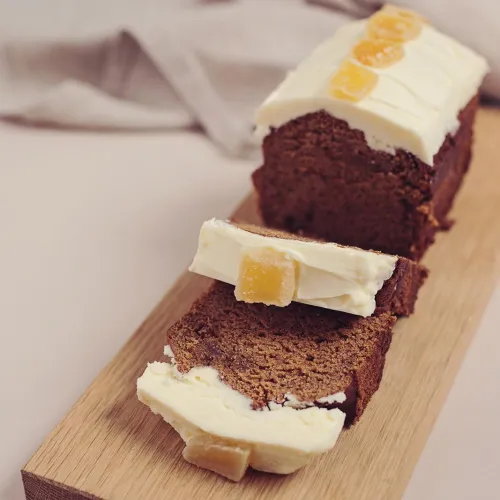
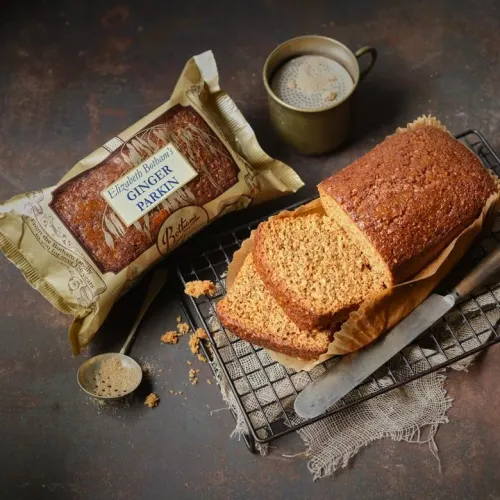
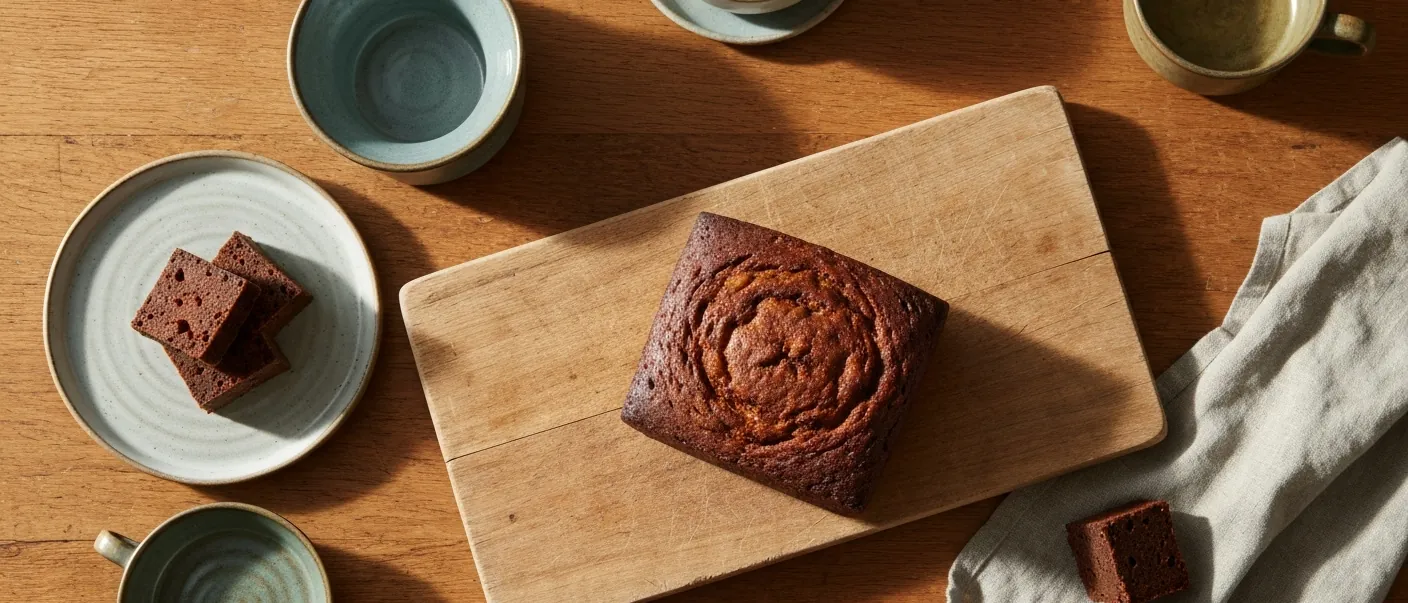
Parkin sits somewhere between a gingerbread and a flapjack in the imagination, but belongs fully to neither. It is a dark, close-textured cake built on oatmeal and black treacle, spiced with ginger, and heavy enough to feel substantial in the hand. The colour — a deep, almost mahogany brown — comes from the treacle rather than any added colouring, and that same treacle gives it a bitter, molasses edge that keeps it from cloying.
At its core, this is frugal baking. Oatmeal was cheap and plentiful across the north of England, treacle an affordable sweetener, and the result is a cake that stretches modest ingredients into something with genuine character. There is nothing refined about parkin, and that is precisely the point.
Yorkshire, Lancashire and the question of one true recipe
Both Yorkshire and Lancashire claim parkin as their own, with good reason. The debate has the comfortable heat of a regional argument nobody particularly wants settled — the kind of thing discussed across garden fences and at farmers' markets rather than in courtrooms.
Where versions differ most meaningfully is in the proportion of oatmeal. Yorkshire parkin tends to lean heavily on oatmeal, sometimes more so than flour, producing a grainier, denser crumb. Lancashire parkins may use a lighter hand with the oats. Within Yorkshire itself, the recipe shifts kitchen to kitchen: some bakers favour medium oatmeal, others fine, and the ginger can range from a polite warmth to something that makes you sit up straight. Anyone claiming a single definitive formula is selling you something.
What holds across all versions is the treacle. Without it, you simply have a gingerbread. The treacle is what makes parkin parkin.
Bonfire Night and why timing matters
Parkin belongs to early November with the same certainty that simnel cake belongs to Easter. It is Bonfire Night food — eaten standing outside in the dark, fingers cold, watching fire. The connection to Guy Fawkes Night runs deep across the north of England, and in some communities parkin is as non-negotiable a part of the occasion as the bonfire itself.
The seasonal logic is sound. Parkin is made well in advance — three days at an absolute minimum, often a week or more — so it has time to soften and become sticky. Cut into it on baking day and you find a dry, slightly crumbly thing that does not explain the fuss. Give it time in a tin and it transforms: the surface becomes tacky, the crumb softens and binds, and the treacle and ginger meld into something richer than the sum of its parts.
This keeping quality made it practical in an era when baking happened once a week or less. The fact that it had to be made in advance was not a drawback — it was simply how the calendar worked. That remains the most useful thing to know about parkin: it is not ready when it comes out of the oven.
How parkin is traditionally eaten
Straightforwardly, in squares, with nothing added. Some people eat it with a scraping of butter, which is not wrong, but parkin is sticky enough to feel self-sufficient. It has none of the ceremony of a celebration cake — no icing, no decoration, no occasion for a cake stand. A tin and a knife are the correct equipment.
Designed for outdoor eating in cold weather, it makes more sense at room temperature than warmed up. The stickiness that develops during keeping is part of the pleasure; reheating loses something of that characteristic texture. At bonfire gatherings it often appears alongside toffee apples and jacket potatoes, which tells you something about the company it keeps. This is not a bake that aspires to elegance — it fits the occasion because the occasion is fundamentally about fire, cold air and a certain northern directness.
Finding good parkin
Outside Yorkshire and Lancashire, parkin remains largely unknown. Within the north, it appears reliably in independent bakers and farm shops in the weeks before Bonfire Night, often made to a house recipe the baker may or may not be willing to discuss.
If you are buying rather than making, look for one that has been kept — baked several days before sale. A parkin sold on its baking day is not at its best, and a good baker will understand this and plan accordingly. The colour should be very dark, the surface slightly tacky, and the smell assertively of treacle and ginger, with a faint warmth of spice that registers after swallowing rather than on the tongue.
Regional food festivals and farmers' markets across Yorkshire and Lancashire are good places to find independent bakers selling parkin seasonally — check local listings in October, usually held in the weeks before Bonfire Night.