A lough unlike any other
Lough Neagh is the largest freshwater lake in the British Isles, and for the communities on its shores it has long meant one thing above almost all others: eels. The lough's shallow, nutrient-rich waters produce wild eels in quantities that have historically supported a genuine industry — not artisan in the boutique sense, but in the older sense of a skilled trade practised by families across generations.
That fishery is now one of the last of its kind in Europe. Wild eel populations have declined sharply across the continent, making what happens on Lough Neagh extraordinary in European terms.
What PGI protection means here
Lough Neagh eels carry Protected Geographical Indication status — the same designation that covers Champagne, Parma ham and Cornish clotted cream. In practical terms, the name can only be applied to eels caught in Lough Neagh itself and processed according to the established methods of the local cooperative fishery. It is a formal recognition that these eels are inseparable from their place of origin: the lough's water, its ecology and the knowledge of the people who fish it are all part of what you are buying.
PGI status also creates accountability. The cooperative structure means the fishery operates collectively rather than through competing private interests, which has encouraged more careful, long-term thinking about the resource.
How the eels are caught and prepared
Fishing is done with long lines set across the lough, a method suited to the eel's nocturnal, bottom-feeding habits. The processing happens locally; the fishery smokes a portion of the catch as well as selling eels fresh. Smoked Lough Neagh eel has firm, rich flesh and a flavour distinctly fuller than smoked salmon or trout — less delicate, more direct, with a depth that rewards eating it simply alongside something sharp or acidic to cut through the fat.
Traditionally, Lough Neagh eels were exported to London's jellied eel trade and to the Netherlands, where smoked eel is eaten with a seriousness that the British, outside of certain East End traditions, largely abandoned. Those export markets speak to the quality and volume the lough once reliably produced.
The wider picture for wild eels
The European eel — Anguilla anguilla — has a life cycle that remains, in some respects, genuinely mysterious. Adults are thought to spawn somewhere in the Sargasso Sea, though no one has ever observed this. The larvae drift back to European coasts on ocean currents over several years. Those that survive become elvers, make their way into rivers and lakes, and may spend a decade or more maturing before instinct drives them back to sea.
This migration makes the eel especially vulnerable. River barriers, habitat loss, shifts in ocean conditions and overfishing at every stage of the life cycle have all contributed to a collapse in eel numbers across Europe. Lough Neagh is not immune. The cooperative has worked with restocking programmes, introducing elvers to help sustain the population, but the broader decline of the species is a reality no single fishery can resolve.
Eating Lough Neagh eel is therefore a more complicated act than it might first appear. The fishery is legally regulated and operates under PGI rules, and the cooperative model has long tried to manage the catch responsibly. Even so, the eel's precarious status across Europe makes it worth understanding what you are eating and where it comes from before you buy.
Finding and eating them
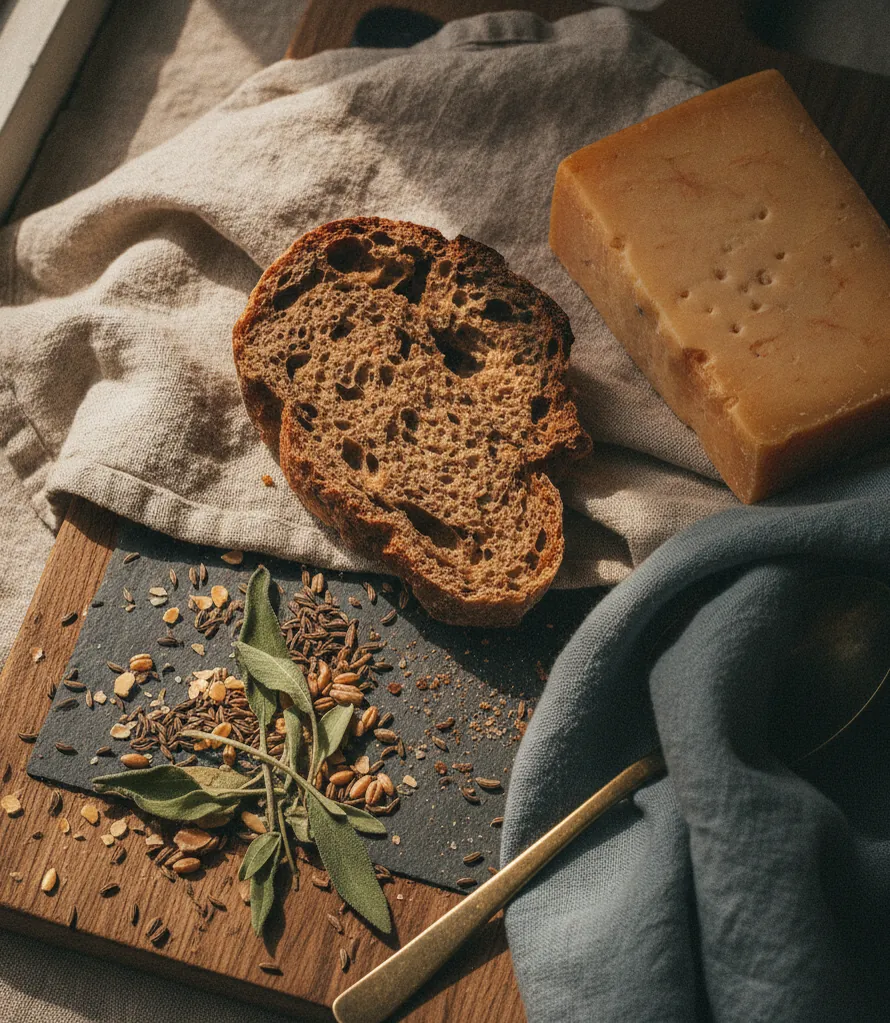
Smoked Lough Neagh eel is sold through specialist fishmongers and some online retailers focusing on British and Irish produce. Fresh eel is harder to find outside the region. The smoked product travels well, making it the more practical choice for most buyers in Britain. It is traditionally eaten cold, in generous pieces, with brown bread and something sharp alongside — a wedge of lemon, a good pickled cucumber or a spoonful of horseradish.
If you encounter it on a restaurant menu, it is usually worth ordering. The combination of the lough's specific ecology and the cooperative's accumulated knowledge produces an eel quite different in character from farmed alternatives — and that difference is exactly what PGI protection is designed to preserve.