What sets it apart from ordinary celery
Most of the celery sold in British supermarkets is washed clean and trimmed into uniform pale-green bunches. Fenland celery arrives looking quite different: muddied with the dark, almost chocolatey-black peat of the Cambridgeshire and Norfolk fens, its stems noticeably paler and tighter. Growers call it 'dirty celery', and the dirt is the point.
The black fen soils are deep, ancient beds of compressed organic matter that drain slowly and hold moisture through the growing season. That specific environment, combined with a traditional growing method, produces a flavour markedly sweeter and nuttier than commercial varieties. There is less of the sharp, watery bitterness that dominates mass-produced celery; the stalks have a denser texture and a more rounded taste that holds up well eaten raw or cooked gently into a braise or soup.
The earthing-up tradition
Fenland celery is planted in trenches. As the plants grow, soil is gradually drawn up around the stems — a labour-intensive practice known as earthing up. This excludes light from the stalks, blanching them to a characteristic pale, almost ivory colour, and slows development so the plants concentrate their flavour. The crop matures late in the year, which is part of why it carries such strong associations with winter and the festive season.
This method is the reason the crop holds PGI (Protected Geographical Indication) status, recognising Fenland celery as a distinct product tied to a specific place and practice — not simply celery that happens to be grown in East Anglia.
A Victorian centrepiece, revived
Victorian and Edwardian households served celery as a seasonal luxury, upright in tall decorative celery vases alongside other Christmas fare. The vases were often silver or cut glass, which gives some sense of the status the vegetable once held. Celery was seasonal in the way asparagus is seasonal now: expected at a particular time of year, missed when absent.
That tradition faded as refrigeration and year-round imports made celery an ordinary commodity. Fenland celery, still tied to its late-season harvest, keeps something of the original logic alive. When it appears at greengrocers and farmers' markets — usually towards the end of autumn and through winter — it signals the same shift in eating that game and forced chicory do: a move towards slower, richer cooking.
How it is traditionally eaten
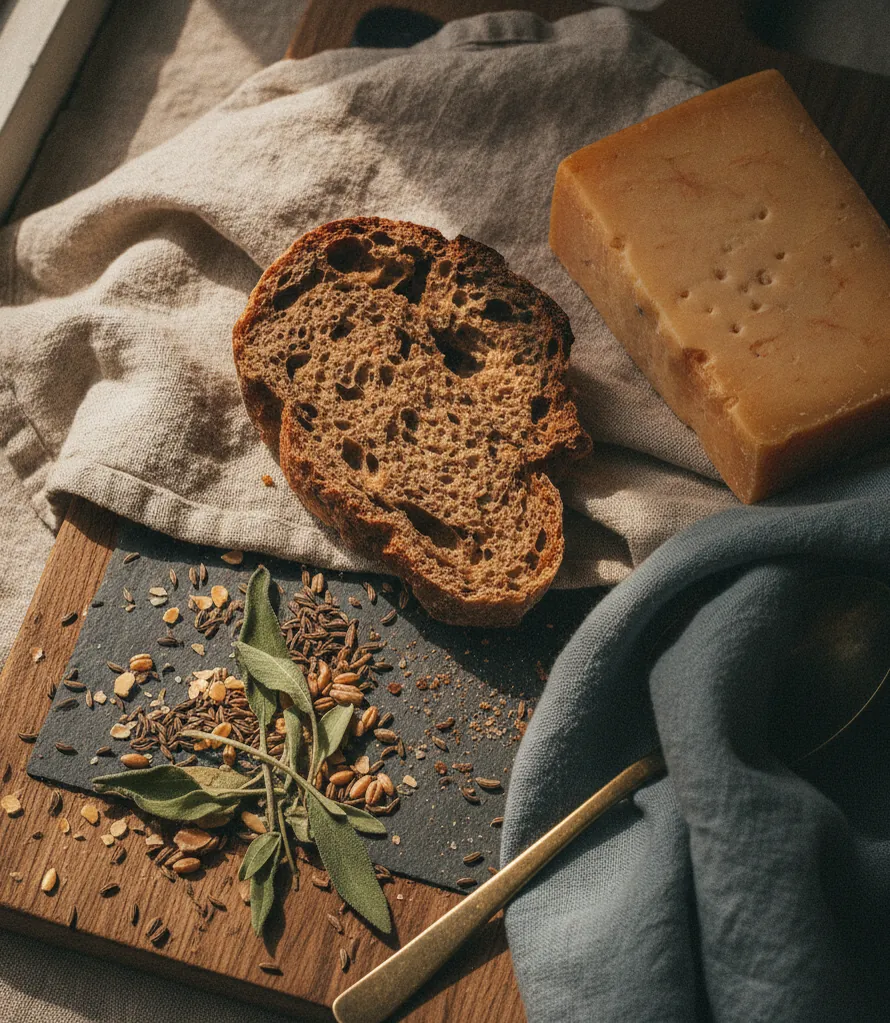
Raw Fenland celery served with cheese is the most straightforward pairing, and one with long regional precedent. The sweetness of the blanched stalks cuts through the fat and salt of a mature hard cheese in a way that ordinary celery does not quite manage. On Victorian tables the combination was commonplace — celery passed around after the main course alongside the cheeseboard, the vase doing its decorative work at the centre of the table.
Beyond that, it suits slow winter cooking: braised with stock and a little butter, added early to stews where it softens and sweetens, or used as a base vegetable in something that needs an hour on the hob. Because the flavour is fuller than standard commercial celery, less of it tends to do more.
Finding it and what to look for
The dirty appearance is the first thing to look for — if the celery has been scrubbed clean and wrapped in plastic, it is unlikely to be the genuine article. Proper Fenland celery comes with peat clinging to the outer stalks, leaves still attached and relatively fresh, and a noticeably compact, upright structure. The stems should feel firm, not hollow or spongy.
Specialist greengrocers, farm shops in the East Anglian region, and some online suppliers stock it during the season. It is worth asking specifically, because the name matters: PGI protection means that only celery grown in the designated fen area using the traditional method can be sold as Fenland celery. Outside that growing window — broadly late autumn into the new year — it will not be available, which is as it should be.