What bara brith actually is
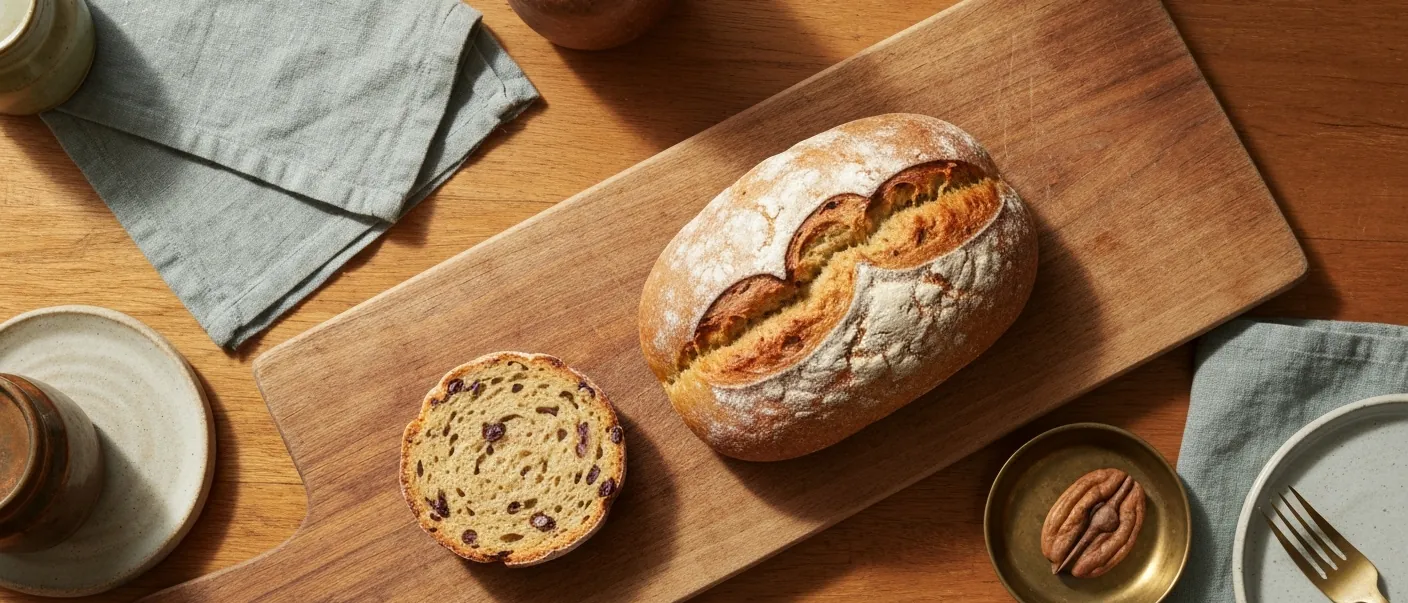
The name translates directly from Welsh: bara means bread, brith means speckled. That speckle comes from dried fruit — currants, raisins, mixed peel — distributed through a dough or batter steeped in strong tea. The result sits somewhere between a fruit cake and a fruit loaf, denser than an ordinary tea bread, with a dark, sticky crumb and a richness that comes as much from the soaking liquor as from any fat in the recipe.
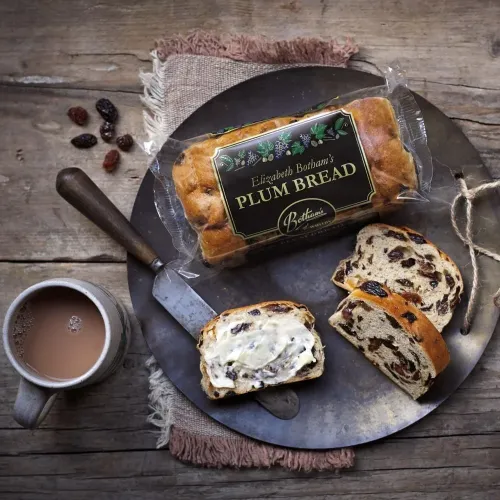
It is eaten sliced, spread generously with salted butter. The butter is not optional. The contrast between cold fat and the sweet, tea-dark fruit is the point of the thing.
Two traditions, both legitimate
Ask a group of Welsh bakers which is the real bara brith and you will start an argument with no clean resolution — because both sides are right. One tradition uses a yeasted dough, making something closer in texture to a genuine bread: slightly chewy, with an open crumb, rising in the tin before baking. The other uses self-raising flour and no yeast, producing a denser, moister loaf that slices cleanly and keeps well for several days.
Neither version is more authentic than the other. The yeasted style is older in character, rooted in the practice of incorporating dried fruit into whatever bread dough was already on the go. The self-raising version reflects the domestic baking that became standard across Welsh households, particularly the kind made for chapel teas and farmhouse tables. Both matter. Both are worth seeking out.
The role of tea
The soaking step is where bara brith parts company with most British fruit breads. Dried fruit is left to steep in freshly brewed tea — often overnight — before it goes anywhere near flour or a tin. The fruit swells and softens, and by the time the loaf is baked it is almost jammy rather than chewy. The soaking liquid typically goes into the mix as well, which is partly why the crumb ends up so dark and moist.
Strong black tea is traditional, and the tannins do real flavour work, cutting through the sweetness in a way that lighter infusions would not manage. Some bakers use a spiced tea; others keep it plain. That variation is part of what makes buying bara brith from different makers interesting — the same basic method produces noticeably different results depending on the tea, the fruit mix, and the baker's instincts.
Where it sits in Welsh food culture
Bara brith belongs to the same world as Welsh cakes and teisen lap: baking made for people who worked hard and needed something sustaining. It has always been associated with hospitality — the loaf you cut into when someone calls, the thing that appears at the table without ceremony. In rural Wales particularly, it was a practical bake made from storecupboard ingredients most households kept to hand.
It remains a fixture at farmers' markets, bakeries, and food festivals across Wales, and is one of the foods most likely to be pressed on visitors as something genuinely local. Unlike some regional specialities that have faded into novelty, bara brith is still made and eaten regularly, not merely displayed.
How to buy well
The best bara brith tends to come from independent Welsh bakeries rather than supermarket shelves, where versions can be dry and under-fruited. Look for a loaf that feels heavy for its size — a sign the fruit is properly saturated — and check that the fruit is evenly distributed rather than sunk to the bottom, which suggests the batter was too thin. A good loaf keeps wrapped at room temperature for several days, improving slightly as the crumb settles.
If you have the chance to try both the yeasted and self-raising styles side by side, it is worth doing. The difference in texture is striking, and most people find they have a clear preference. Start with a yeasted version if you want something closer to bread; go for the self-raising kind if you are approaching this from the fruit cake end of the spectrum.