What a pannier market actually is
The name comes from the baskets — panniers — that farmers and their wives strapped across a horse or carried on their arms when they came into town to sell. It is a distinctly West Country institution, rooted in the practical rhythms of upland farming communities where surplus butter, eggs, honey and seasonal vegetables needed a reliable outlet. The pannier market gave smallholders a guaranteed audience and townspeople access to food they could trust, because they could see the person who grew it.
That basic contract — producer meets buyer, face to face, in a covered space — is what survives. The baskets are largely gone, but the principle holds.
Tavistock's claim on the tradition
Tavistock's market charter is commonly dated to 1105, placing it among the longest continuously chartered markets in England. The present Victorian market hall — iron columns, a generous glass-and-iron roof, stone façade — sits in a town centre shaped during the Duke of Bedford's era of improvement, handsome enough to form part of the Cornwall and West Devon Mining Landscape UNESCO World Heritage Site.
The hall runs a different trade on different days. Traditional pannier days bring the widest mix: local produce alongside crafts, antiques and collectables, all under one roof and out of the Devon weather. Farmers' market days draw producers from across the area — artisan bakers, cheesemakers, growers — and the atmosphere shifts accordingly. Schedules change seasonally, so check the official Tavistock Pannier Market site before making a special trip.
How to approach the market well
Go early. The best produce — a tray of local tomatoes, a well-priced piece of antique kitchenware — does not wait until midday. The hall fills quickly on traditional pannier days, and traders who have come in from outlying farms often pack up once they have sold through.
The surrounding streets reward time too. Tavistock has a functioning independent high street, and the Bedford Square area gives a clear sense of how deliberately the town was built. The market and the centre work together; treating one without the other is missing half the point.
If you are driving from further afield, pairing a market visit with a walk on the southern edge of Dartmoor is the natural extension — the moor begins almost immediately above the town, and the landscape that shaped the farming tradition is right there.
Barnstaple and the broader West Country habit
Tavistock is the most celebrated of Devon's pannier markets, but not the only one worth knowing. Barnstaple, on the north Devon coast, has its own covered market with a strong claim on the same tradition. Where Tavistock feels embedded in a moorland market town, Barnstaple's serves a coastal and agricultural community with its own distinct character. Both reward a visit; neither is a pale imitation of the other.
The pannier market is a format, not just a venue. It survived because it was architecturally and socially designed to work: covered space for year-round trading, a regular charter day that producers could plan around, a central location that drew in the surrounding countryside. Devon's examples are a living record of how a region organised its food economy, and that continuity is precisely what makes them interesting.
What you are likely to find
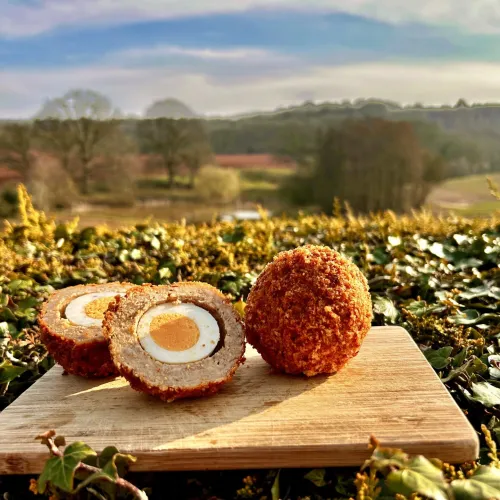
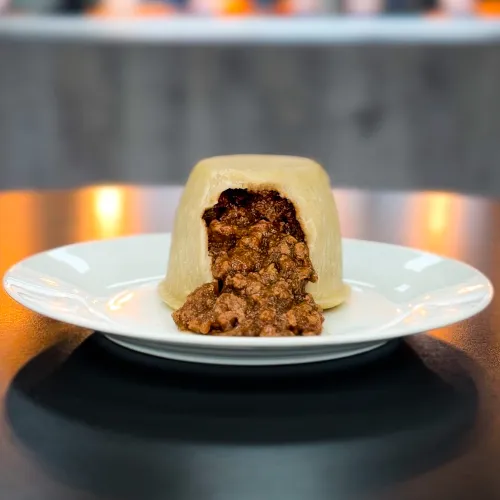
On a good pannier day at Tavistock, the range is genuinely broad. Local produce — vegetables, eggs, preserves, honey, sometimes meat from farms on the moor's edge — sits alongside craft sellers, second-hand book dealers and antique stalls. Farmers' market days concentrate the food offer and bring in producers who treat the stall as their main retail outlet, not an afterthought.
- Seasonal produce from farms within reach of Dartmoor: the variety shifts with the year, which is part of the appeal
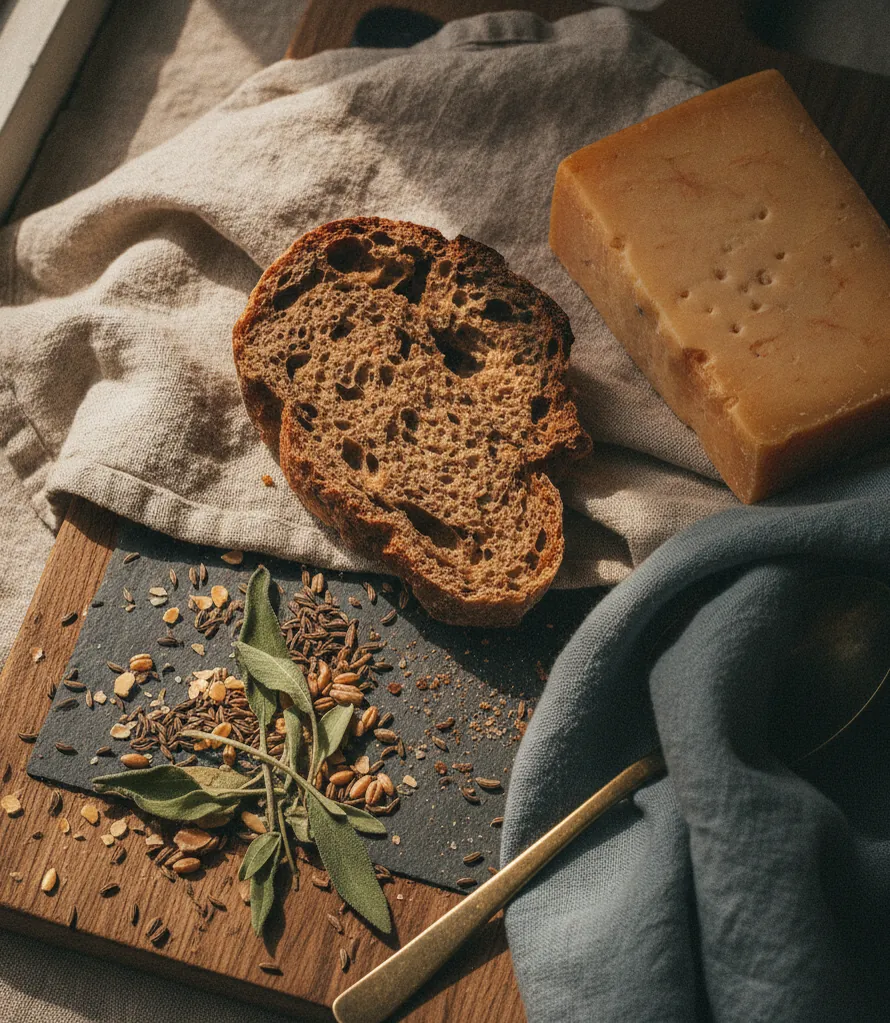
- Artisan food and drink on farmers' market days, including baked goods, cured and preserved foods, and local cheeses
- Crafts, collectables and antiques on traditional pannier days — the mix is unpredictable, which is also the point
It is not a curated food hall with a fixed tenant list. It is a market, which means it changes, and the best finds are the ones you were not expecting.