A town shaped by its valley
The Towy – or Tywi, in Welsh – runs from the Cambrian Mountains down through rich pastureland before reaching the sea near Llansteffan. That pastoral hinterland explains what you find in Carmarthen Market. The surrounding farms have long specialised in dairy cattle and sheep, and the town grew as the natural gathering point for the communities that worked them. The relationship between land and market is still readable in the stalls today.
Carmarthen is widely regarded as one of the oldest continuously inhabited towns in Wales, and its market tradition runs deep. The indoor market hall – check the official site for current opening days – draws both locals doing their weekly shop and visitors who have made the journey specifically for what cannot easily be found elsewhere.
What the stalls carry
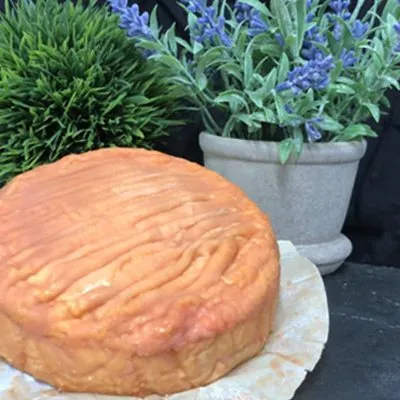
Welsh cheese is the obvious starting point. The dairy farming of the Towy valley and the broader west Wales region underpins a cheesemaking culture ranging from sharp, crumbly Caerphilly-style truckles to softer, creamier rounds from smaller producers. Market cheesemongers tend to stock a far wider range of Welsh cheeses than any supermarket, and the people behind the counter usually know exactly where each one was made and how long it has been aged.
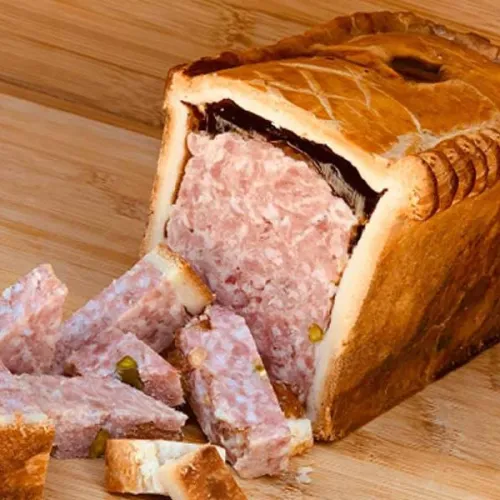
Carmarthen ham deserves its own attention. It is a cured, air-dried ham made in the county – closer in character to continental charcuterie than to the cooked hams found elsewhere in Britain, with a deep, slightly sweet savouriness from a long, slow cure. It is sliced thin, often sold by weight, and worth buying more of than you think you need.
Laverbread and cockles arrive from the coast, most traditionally from the Gower and Burry Inlet to the south-east. Laverbread – bara lawr in Welsh – is cooked seaweed, puréed to a dark, mineral-rich paste that looks unlike anything else on a breakfast plate. It is traditionally served alongside cockles and back bacon, though plenty of locals eat it cold from the tub. Welsh cakes, cooked on a bakestone and dusted with caster sugar, are another market staple: flat, spiced griddle cakes that sit somewhere between a scone and a biscuit, and almost always better bought warm from someone who has been making them for decades.
Dairy and livestock at the heart of it
What makes Carmarthen Market specific rather than generic is how directly it reflects the farming around it. West Wales is predominantly a grassland region – the climate is wet enough to keep pastures green well into autumn, which suits dairy herds and beef cattle alike. Butter, cream and cheese have been traded here for as long as the market has existed. Lamb from the upland farms to the north and east has historically moved through the town too.
The cheeses, the ham, the laverbread – these are not artisan curiosities brought in from elsewhere. They are expressions of a particular place and its farming methods, and buying them here, from people who can explain their provenance, is a different experience from finding the same products on a supermarket shelf.
How to approach a visit
Arrive with time to walk the full market before buying anything. The range shifts with the season, and a first circuit helps you spot what looks freshest. Cheese stalls will usually offer tastes; take them up on it, particularly for anything aged or unfamiliar.
Carmarthen ham is worth seeking out early in the day, as the better cuts sell quickly. If you are buying laverbread, ask whether it has been made recently – it does not keep for long. Welsh cakes are at their best still warm, so leave that purchase until the end of your visit.
The town sits at the edge of a region taking in the Brecon Beacons to the north-east, the Pembrokeshire coast to the west and the Gower to the south – all with their own food traditions. The market, though, is a sound anchor for anyone interested in Welsh food as it is actually produced rather than packaged for export.