
A town that set the standard
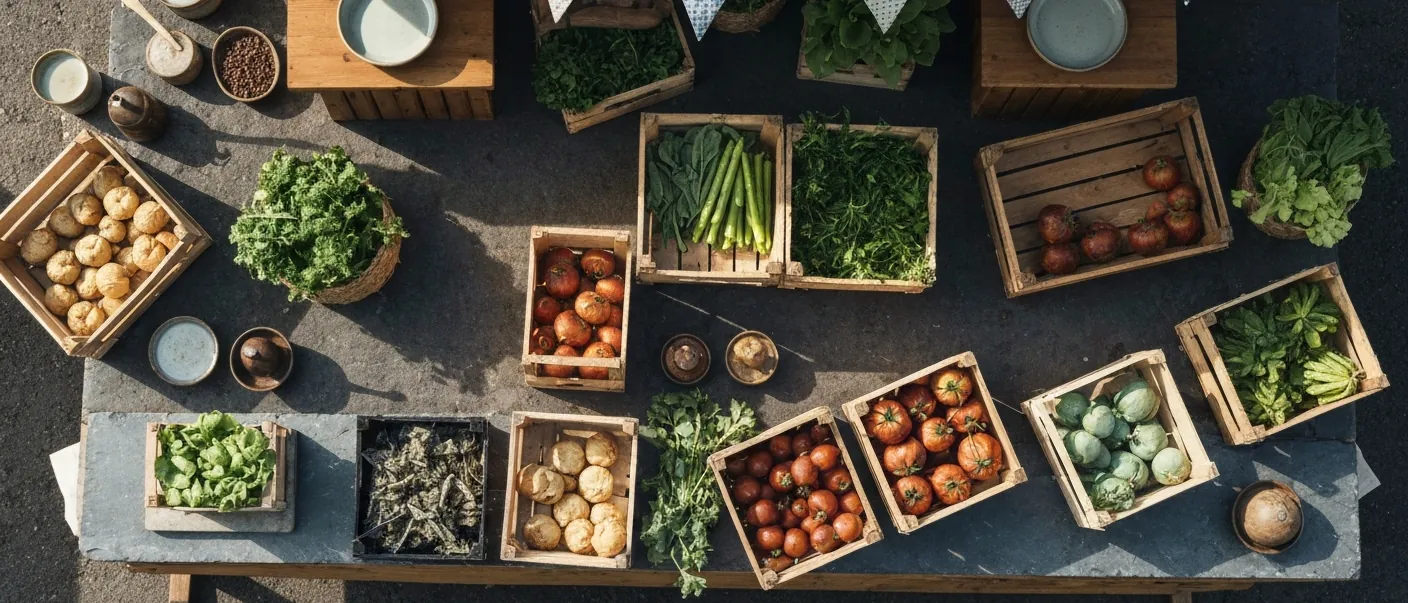
In the mid-1990s, Ludlow did something that sounds obvious now but was genuinely novel at the time: it gathered local producers, set them up within the walls of a medieval castle, and invited the public to eat, drink and ask questions. What grew from that first gathering is widely credited as Britain's first modern food festival — the model that towns from Abergavenny to Aldeburgh would eventually borrow and adapt.
That the idea took root here is not accidental. Ludlow had the infrastructure to support it: independent butchers with a serious approach to sourcing, bakers working from tradition rather than convenience, and a market-town culture that had never fully surrendered to the supermarket. The festival gave those businesses a stage, but they were already doing the work.
The festival itself
Usually held in September — check the official Ludlow Food Festival site for this year's dates — the castle grounds are given over to producers, chefs and educators. The setting does a lot of the heavy lifting. Ludlow Castle is a genuine ruin, roofless in places, its red sandstone walls absorbing the noise of a crowd in a way that a marquee on a car park simply cannot.
What distinguishes the festival from many of its successors is the emphasis on craft over novelty. Shropshire produce features prominently — local beef and lamb, orchard fruits from the Teme Valley, small-batch preserves — alongside producers from further afield who meet a consistent standard. Demonstrations and tastings are well attended, but the commercial element is taken seriously; this has always been a place where people come to buy as well as browse.
Ludlow as a year-round destination
The festival is the headline, but Ludlow's food credentials hold up on an ordinary Tuesday in February. The town's independent butchers are the kind that can tell you which farm the animal came from and which cut suits a particular dish. That depth of knowledge, shared willingly across the counter, is rarer than it should be.
The bakers are worth seeking out too — the sort that still operate on a morning rhythm, with flour on the floor and loaves ready before the town is fully awake. The bread here tends toward the honest rather than the fashionable, which is its own recommendation. Beyond bread and meat, the covered market and surrounding streets make for a genuinely useful morning's shopping. This is a working market town that happens to do food well, not a place preserved for tourists. The distinction matters.
Shropshire's wider larder
Ludlow sits in a part of England that tends to be underestimated from a food perspective. The Welsh Marches — that loose border country running south from Cheshire — produces excellent beef and lamb raised on hilly pasture, soft fruit and orchard produce from sheltered river valleys, and artisan cheeses made from both cows' and ewes' milk. Ludlow draws on all of it.
The Teme and Corve rivers converge near the town, and the surrounding countryside rewards careful farming. Producers here have not had to work against geography; they have worked with it, which shows in what ends up on the plate.
Planning a visit
If you are coming for the festival, book accommodation well in advance — the town fills up and the surrounding villages follow quickly. Arriving the evening before gives you a quieter chance to find the independent shops before the weekend crowds.
Outside festival season, a Saturday morning is the natural time to visit. The market is at its best, the butchers and bakers are fully stocked, and the streets justify the journey on their own terms. Ludlow is served by train from Hereford and Shrewsbury, which makes it accessible without a car — useful, given that town-centre parking can be tight at busy times.
Ludlow is not undiscovered; it has been a food destination long enough that the secret is thoroughly out. What it has managed, which many food towns have not, is to remain genuinely useful rather than simply picturesque. The shops here are shops, not props.
_cd5y-ai_pngq80.webp)