The spectrum is wider than you'd think
At one end, there's a wooden table by a farm gate with a tin for coins and a tray of eggs. At the other, there are destination food halls with butchery counters, cafés, fishmongers and chillers stacked with a dozen local cheeses. Both can legitimately call themselves farm shops. The question worth asking before you drive twenty miles is: which kind is this?
The term has no legal definition, which means it gets applied loosely. Some places trading as farm shops source very little from their own land, filling shelves instead with branded goods you could find at a supermarket, surrounded by enough bunting and enamelware to suggest rusticity. That's not dishonesty — but it's not what most people are looking for when they make the trip.
Provenance is the only thing that matters
The single most reliable test is whether the produce can be traced back to a specific place. Not just a county, and not just "locally sourced" on a swing tag, but an actual named farm or producer. The beef should come from cattle you could, in theory, point at. The eggs should name the flock. The seasonal vegetables should be the ones ready this week — which means roots and brassicas in January, not a full rainbow display that reads like a supermarket in August.
That seasonal rhythm matters. A farm shop stocking British asparagus in May and squash in October is telling you something true: the shelves reflect what's actually growing nearby. One that stocks both simultaneously is sourcing from considerably further afield, and the farm shop label starts to feel like atmosphere rather than fact.
A butchery counter stocked with farm-reared beef, lamb or pork — where staff can tell you the breed, the farm and how it was raised — is the centrepiece of the best farm shops. Rare-breed pork from a local farm, properly hung, is a different ingredient from its supermarket equivalent: the fat is distributed differently, the flavour carries further, and a good butcher will tell you which cut suits what you have in mind.
Cheese and deli — the supporting act that matters
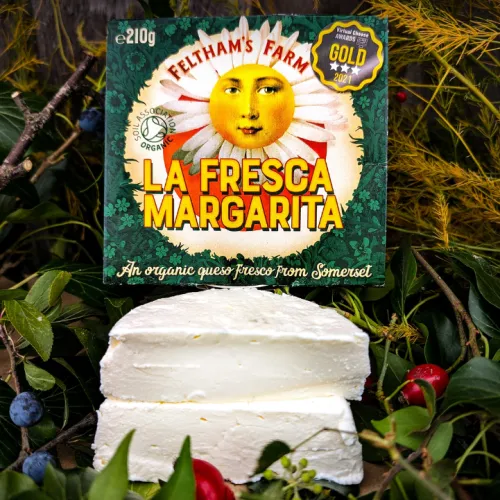
Look at the cheese selection. A farm shop with genuine regional intent will stock cheeses from nearby dairies — small-batch, named-producer cheeses that don't reach supermarket shelves. A well-chosen counter might have a raw-milk cheddar from a farm two valleys over, a soft goat's cheese made weekly a few miles away, and something washed-rind and local you've never encountered before. If every cheese is a national brand you recognise, that tells you where the shop's priorities lie.
Eggs function as a shorthand for the whole operation. Farm-fresh eggs from a named flock — ideally one visible from the car park — have yolks of a particular deep colour that comes from genuine outdoor foraging. If the eggs are a supermarket own-label, look more carefully at what else isn't quite what it seems.
Staff knowledge is the real differentiator
You can learn a great deal from a single conversation at the counter. A good farm shop employs people who know the suppliers personally — who can tell you the lamb is from the field behind the polytunnel, or that the apple juice is pressed at an orchard a few miles east. That knowledge is the whole point. It's what a farm shop offers that a supermarket cannot.
If staff draw a blank on where the chicken came from, or gesture vaguely at "local farms", the supply chain is probably more complicated than the branding suggests. The best farm shops treat provenance as something worth talking about, not something to deflect.
This connects to something we've written about in relation to farmers' markets — the value of buying from someone who can answer a direct question about what you're eating. A farm shop at its best extends that same relationship into a permanent, year-round space.
How to read a farm shop before you buy
A few things to look for as you walk in:
- Named suppliers on labels and signage — not just a region, but a farm or a person.
- A seasonal vegetable section that changes month to month — if it never changes, it isn't seasonal.
- A working butchery counter with staff who can discuss the meat's origin.
- Cheese from regional dairies, ideally some you won't find on the high street.
- Eggs from a named flock, preferably with the farm visible or nearby.
None of this requires a vast operation. Some of the most impressive farm shops are small, with a short list of suppliers and shelves that reflect the honest limits of what's available locally. That restraint is itself a sign of integrity. A long, glossy, year-round abundance is easier to admire than to trust.