A festival rooted in a real opening day
Most food festivals are invented occasions, built around a theme somebody thought would draw a crowd. Falmouth's is different. The Oyster Festival falls in October because that is genuinely when the Fal fishery opens for the year — the celebration follows the calendar of the beds, not the other way around. The boats that appear on the harbour during festival weekend are the same boats that will be out on the river dredging in the weeks that follow, under sail and oar, exactly as the rules of the fishery have always required.
That fishery — the last in Europe to prohibit engine power on the dredging grounds — is covered in depth in our dedicated piece on Fal oysters. The short version: engines are banned to prevent the beds being stripped faster than they can recover. The result is a slower, quieter harvest, worked by traditional Cornish working boats whose design has changed very little over generations. Seeing them congregated in Events Square on Falmouth's harbourfront, their crews shucking and selling the catch, is the festival's particular pleasure.
Why October, and why the colder months
The timing is not arbitrary. Native oysters in Britain have long been harvested according to what is commonly called the 'months with an R' rule — the idea that oysters are best left alone through the warmer, R-less months when they are spawning. We explore that rule and its logic in a separate article, but the practical upshot is clear: the Fal season runs through the colder half of the year, from autumn into spring, and the October festival sits right at the start of it.
There is something satisfying about a food event that aligns with a genuine ecological rhythm rather than a marketing slot. Oysters opened at the festival have just come out of a long summer rest. The water is cooling, the flesh is firming up, and the season ahead is the one that matters. Festival weekend feels less like a launch party and more like the starting gun of a working year.
What the festival offers
Events Square, right on the harbourfront, is the main hub. The working boats are the centrepiece — traditional vessels brought together in a way you will not easily see at other times of year — but the festival spreads beyond the waterfront. Oyster shucking competitions are a fixture, combining skill, speed and theatre. There is live music, Cornish produce and seafood from across the county, and the atmosphere of a harbour town that has been marking the same season for a long time.
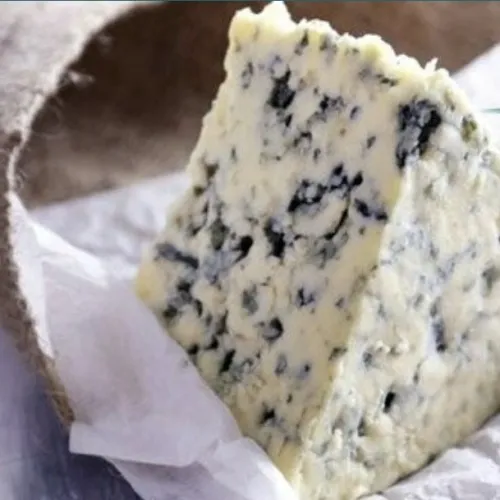
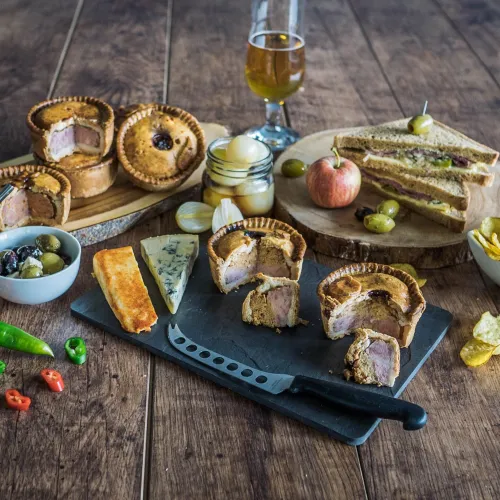
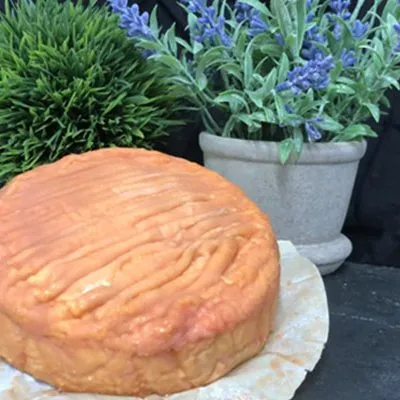
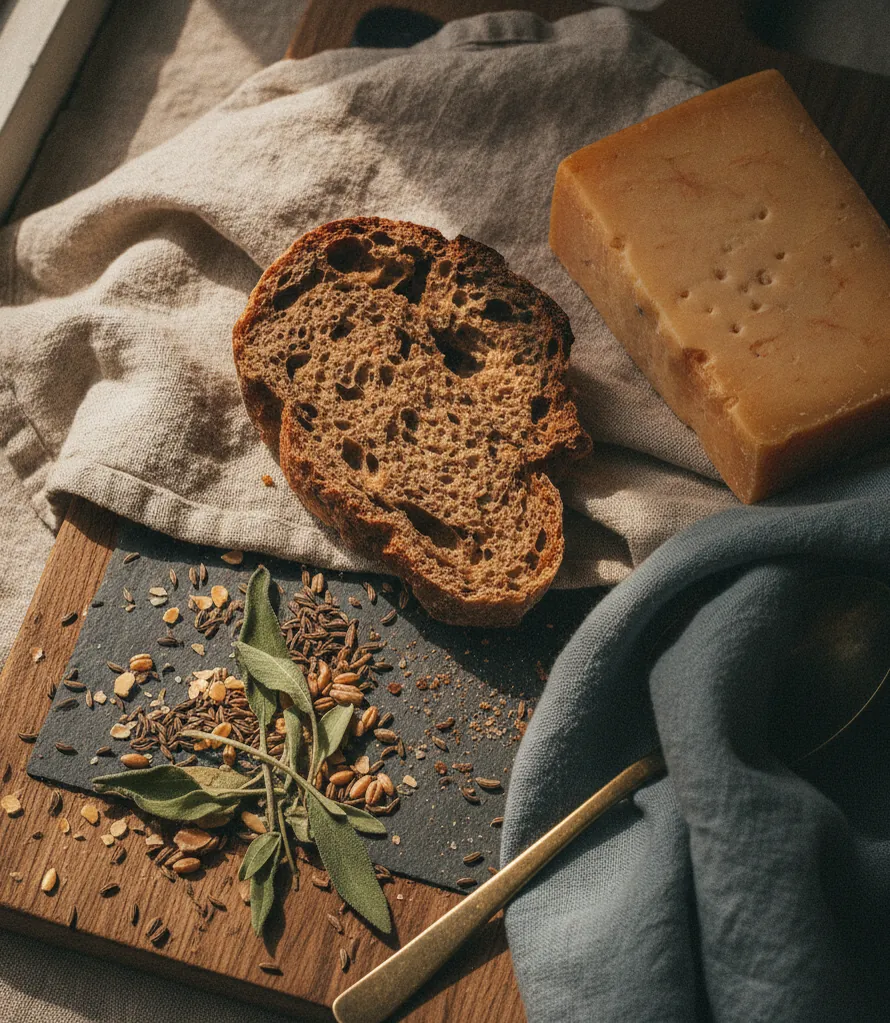
The food offer goes further than oysters. Cornwall's autumn larder is substantial — crab, lobster, smoked fish, local cheeses, charcuterie, baked goods — and the festival draws in producers from across the county alongside the oystermen. It works as an introduction to what Cornwall grows and catches as much as a single-ingredient celebration.
Cornwall's autumn food calendar
Falmouth in October sits within a wider season of Cornish food events. The county has developed a serious food culture, and autumn — harvest complete, fishing seasons opening — is when much of it comes into focus. If you are planning a trip around the festival, look at what else is happening in the county that week or fortnight: farmers' markets, harbour markets in fishing villages and other seasonal events often cluster around the same period.
Falmouth itself rewards a longer stay. The town has a good independent food scene year-round, and the harbour area is particularly lively in festival week. Accommodation books up quickly, so planning ahead is sensible if you are travelling from outside Cornwall.
Planning a visit
The festival is usually held in October — check the official Falmouth Oyster Festival website for this year's exact dates and programme before you travel. Entry arrangements, ticketed events and the shucking competition schedule can change year to year, and the organisers' own site is the reliable source. Most harbourfront activity is accessible without tickets, but specific tastings or evening events may require advance booking.
If the festival weekend is not possible, Fal oysters remain available through the winter months directly from merchants and fishmongers in the area. The season runs through to spring, so the festival is an opening, not the only opportunity.