What the festival actually is
Fèis Ìle — pronounced, roughly, faysh eela — translates from the Gaelic as the Islay Festival of Music and Malt. Held in late spring, it gives each distillery on the island its own dedicated open day across the week. These are not standard visitor-centre tours. Warehouse sessions, cask tastings, conversations with the people who actually make the whisky, and a limited festival bottling released exclusively on the day — that is what each distillery brings. The bottlings in particular draw collectors and serious whisky drinkers from across the world.
A music strand runs alongside. Cèilidh bands, local performers and sessions in village halls mean that even an evening without whisky involved feels particular to this island and this week.
Why Islay whisky warrants a festival of its own
Islay occupies a category of its own within Scotch whisky, and the reason is peat. The island's water passes through deep peat bogs before it reaches the distillery, and the malted barley is traditionally dried over peat smoke — a process that embeds a distinctive phenolic character into the spirit long before distillation begins. The result ranges from medicinal and intensely smoky to something more coastal and saline, depending on the distillery and its house style. No two of the island's distilleries produce quite the same whisky, which is precisely what makes having each one in the spotlight for a full day worthwhile.
The sea shapes things as much as the peat does. Several distilleries sit close to the shore, and the argument — debated but persistent — is that salt air influences maturation in the island's damp, mild warehouses. Standing in one of those warehouses during Fèis Ìle, with the Atlantic audible outside, makes it easy to understand why people hold that as an article of faith.
Getting there
Islay is reached by ferry from the Kintyre peninsula — the main crossing takes just over two hours — or by small propeller aircraft from Glasgow. Both require planning. The ferry carries cars and is the practical choice for anyone with luggage, but crossings book up well in advance during festival week. The flight is quick, but capacity is very limited.
Accommodation is genuinely scarce under normal circumstances. During Fèis Ìle, it becomes the central logistical challenge. Hotels, B&Bs, self-catering cottages and private rooms tend to be reserved months ahead — in some cases before the festival programme is published. Treat accommodation as the first booking to make, ahead of flights, ferries and distillery events. Camping is a viable option, but Scottish late-spring weather requires proper waterproofs.
The festival transforms the island for the week. Islay has a small permanent community, and Fèis Ìle brings in far more visitors than the infrastructure is built for. The atmosphere is convivial rather than overwhelming — this is a long way from a city festival — but roads are quiet island roads, village shops have finite stock, and everything operates on island terms.
Food beyond the dram
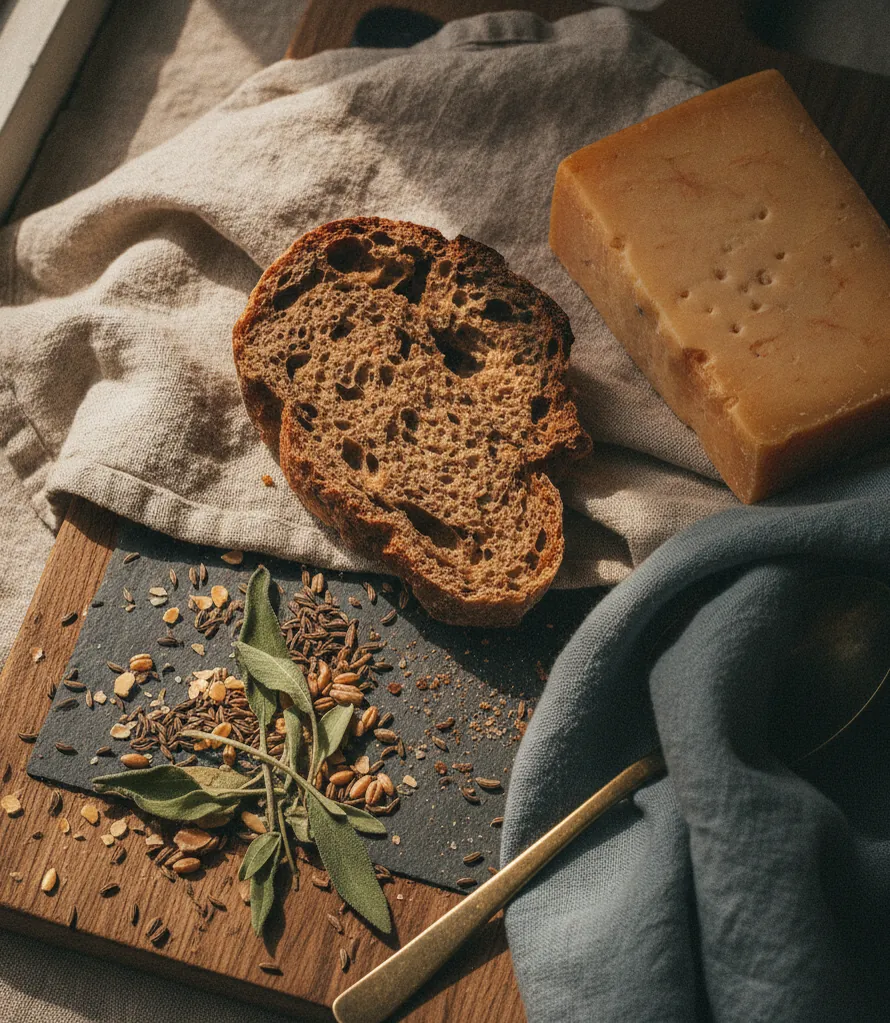
The island's coastline produces oysters and shellfish that reach the plate with very little distance between sea and table. Islay beef, raised on the island's rich grazing, appears on local menus and has a following among those who know it. There is also a creamery tradition producing cheeses that sit alongside the whisky rather than competing with it — a salty, slightly crumbly style suits a peaty dram better than most people expect until they try it.
For those spending a full week, that combination of seafood, beef and cheese means eating well without going off-island. The island's pubs and restaurants concentrate their best efforts during festival week, and the general expectation is that visitors are there to enjoy the place in full, not only the distillery events.
How to approach the week
Each distillery's open day has a different character, shaped by the people who run it and the whisky they make. Some lean into the technical — mash tun access, detailed cask tastings, conversations with the distilling team. Others lean more festive, with music and food at the fore. Reading the programme in advance and choosing which days matter most is the only sensible approach; attempting everything across the week is not realistic, and the island's roads mean logistics require thought.
Tickets for individual distillery events, and especially for the festival bottlings, sell quickly once the programme is released. Check the official festival channels in the weeks before the programme goes live. The broader open days have more capacity than the seated tastings, but even those fill. Plan early, plan properly.