Why this market is different
Most city-centre markets occupy a car park or a converted warehouse. Castle Terrace does neither. The stalls run along the base of the volcanic rock on which Edinburgh Castle sits, the ancient stone rising almost directly above the gazebos. Even on a grey Scottish morning, the setting is hard to argue with.
More important than the backdrop is the rule that underpins the whole thing: the person behind the stall must have reared, grown, caught or made what they are selling. No middlemen, no wholesale. That means the woman selling venison or the man weighing out soft fruit can tell you exactly where the animal grazed or when the berries were picked — because they were there.
What you will actually find
Scottish beef and venison are among the most reliable fixtures. The game repays particular attention — depending on the season you might find whole birds, cuts ready for the pot, or prepared products from estates that sell direct here and nowhere else in the city. Come early; the best of the game and fish tends to go before mid-morning.
Smoked fish is another constant. Scotland's cold-water catches and its tradition of smoking mean the quality sits well above what most fishmongers stock week to week. Expect hot- and cold-smoked salmon, kippers, and whatever the boats have been bringing in.
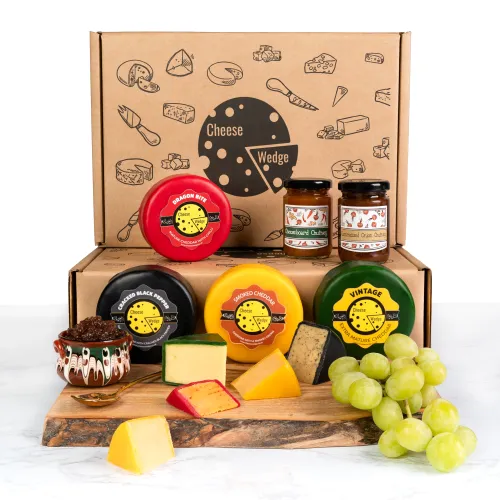
Cheese is worth a dedicated circuit of the stalls. Scotland has a small but serious artisan cheese scene, and markets like this are often the best place to encounter it. Ayrshire Dunlop — a mild, close-textured Scottish territorial — is among the cheeses that turns up regularly; if you have not tried it, this is a good introduction to Scottish cheesemaking beyond the supermarket aisle. (See our separate article on Ayrshire Dunlop for more background.)
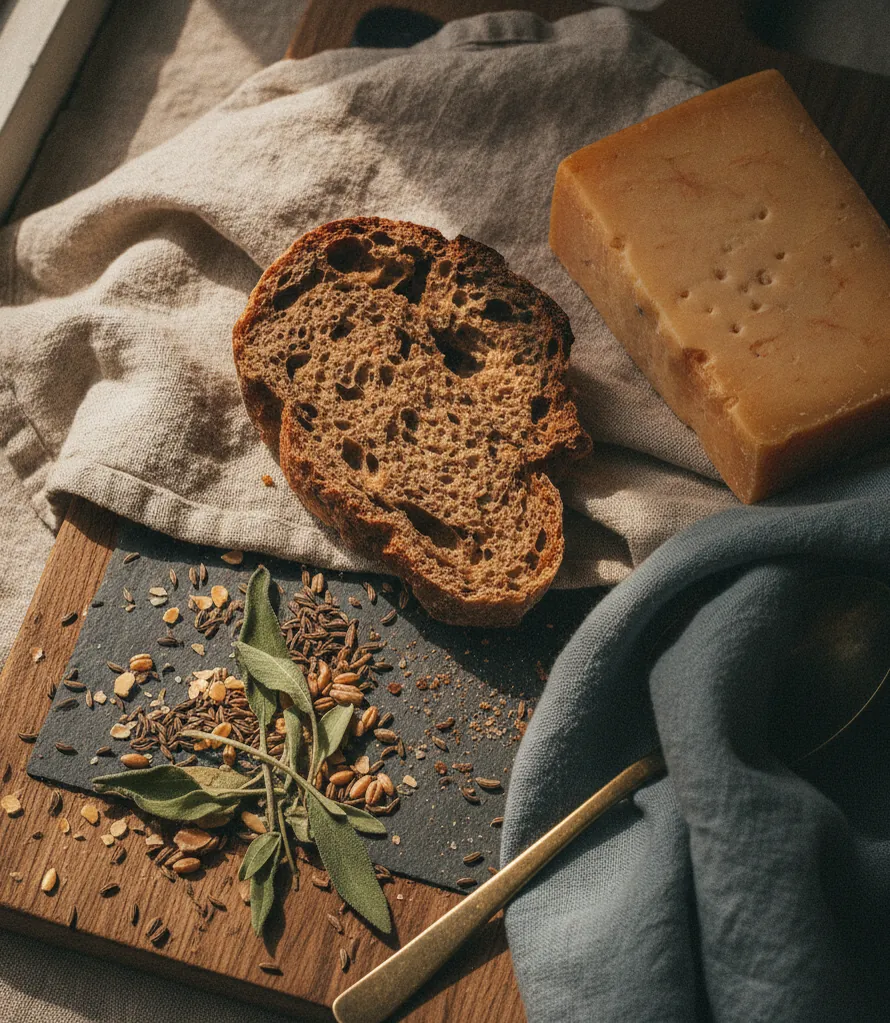
The supporting cast is strong: oatcakes from small bakeries, single-origin Scottish honeys, seasonal preserves and jams from the soft-fruit counties. Angus and Perthshire in particular send raspberries and strawberries south to Edinburgh through the summer months. These are the things that travel well in a bag and make solid impromptu gifts if you are visiting from elsewhere.
Making the most of a Saturday morning
The market runs Saturday mornings — traditionally 9am to 2pm, though check the official Edinburgh Farmers' Market listings before you go, as hours can shift. Arriving in the first hour is not just about securing the best stock, though that is reason enough. It is also when stalls are fully laid out and producers are most willing to talk — about how a cheese is aged, which cut of venison suits slow cooking, what to do with a whole smoked mackerel.
Castle Terrace is an easy walk from the Old Town. Bring a cool bag if you are stocking up on fish or meat, particularly in summer, and a canvas bag for the dry goods: the practical minimum for a serious shop.
Part of a broader Scottish food scene
The market reflects a wider shift in how Scots buy and think about food. Producers who sell here also tend to supply independent delis and farm shops around the country, so if you discover a particular smokehouse, cheesemaker or honey producer, there is a reasonable chance you can find them again through other channels.
For visitors, it is one of the more honest ways to understand what Scottish food actually is — not the shortbread-tin version, but grass-fed beef from upland farms, fish landed on the east coast, and cheese from small dairies that most people outside Scotland have never encountered. The castle overhead is, in the end, just a backdrop. The market earns its place on the strength of what is on the stalls.