A town that takes its food seriously
Dartmouth sits at the mouth of the River Dart in South Devon, a compact, handsome place where the streets tip steeply towards the water and the harbour is rarely quiet. It is the kind of town that already had a strong food culture before anyone thought to organise a festival around it — good fishmongers, good restaurants, a market tradition. The festival grew from that foundation rather than being imposed on it, which is part of why it feels different from events that exist mainly to shift branded merchandise.
The event usually takes place in October — check the official site for this year's confirmed dates before you travel, since scheduling can shift year to year.
What the festival actually is
It is run entirely by volunteers, which shapes its character considerably. There is no corporate polish and no sprawling sponsor village; what you get instead is people who care about food talking to other people who care about food, with a programme weighted towards substance: tastings, producer talks, demonstrations and the chance to buy directly from makers you might otherwise only encounter in a deli or a farm shop.
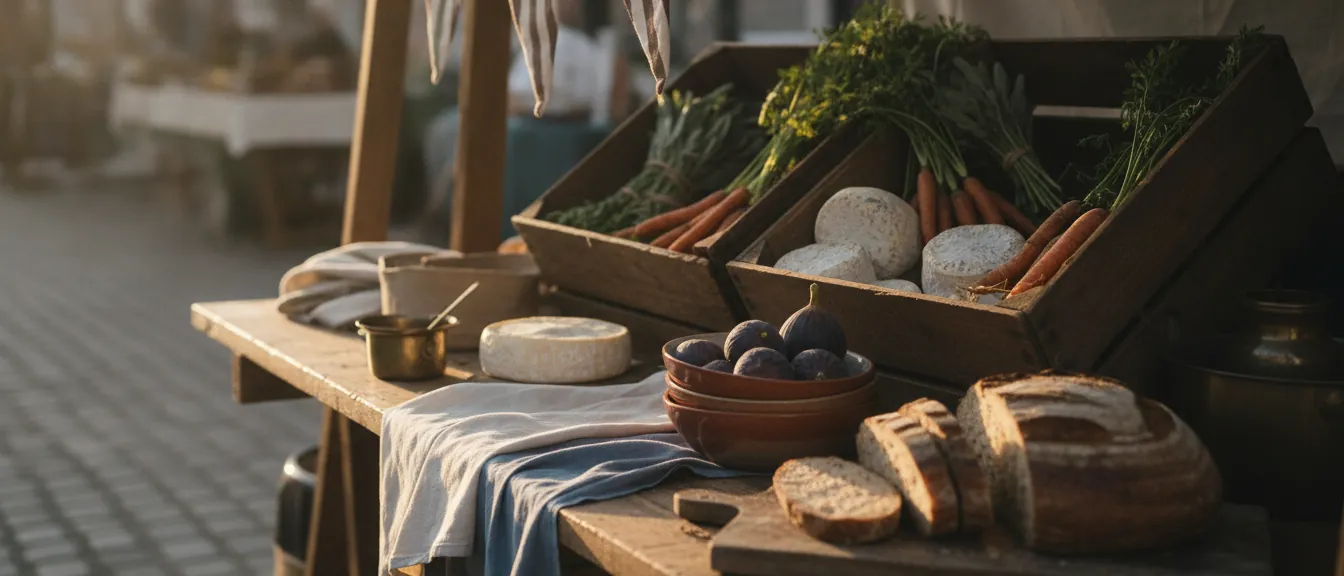
The South West produces an exceptional range of food and drink — aged cheeses, cured fish, small-batch spirits, artisan bread, carefully reared meat — and the festival draws a strong contingent from across the region. For anyone serious about understanding where Devon and Cornwall's food culture is heading, the producer stalls alone are worth the trip.
Tastings and talks worth your time
The programme tends to mix accessible crowd-pleasers with sessions that reward a bit more prior interest. Cheesemakers will explain what distinguishes their particular approach to ageing; fishermen or smokers might talk through why provenance matters so practically, not just in principle. These are not performative celebrity appearances. They are working producers, and the conversations tend to be candid.
Tastings are the real currency of the weekend. The format — relatively small, focussed, often ticketed separately — means you are actually tasting and listening rather than inching along an aisle with a paper cup. It is worth booking these in advance where possible, since numbers are limited and the most popular sessions fill early.
Making the most of it
Dartmouth itself repays a longer visit. The town's quayside, the Bayard's Cove fort, the castle accessible by water taxi from the town centre — there is plenty to occupy the hours between sessions. Accommodation books up around festival weekend, so planning ahead is genuinely important if you want to stay overnight rather than making a long day trip.
The surrounding area offers good stopping points on the way in or out: the South Hams is thick with farm shops, vineyards and producers whose work you may well have encountered inside the festival itself. Going in with a loose plan — a couple of ticketed tastings pre-booked, the rest left to chance — tends to produce the best day.
- Book ticketed tastings and talks as early as the programme is published
- Check the official festival website for this year's dates and any changes to the programme
- Arrange accommodation well in advance — Dartmouth is small and fills quickly at festival time
- Arrive on foot or by ferry if you can; the town's streets are narrow and parking is limited
Why it holds its reputation
Food festivals are not scarce in Britain. What keeps Dartmouth's in good standing among people who follow this circuit seriously is the consistent focus on regional producers and on formats that are actually informative. The volunteer structure keeps the event honest — there is no financial incentive to fill the programme with paid partnerships or to prioritise spectacle over content. That is rarer than it should be, and it shows in the quality of what you encounter on the day.