Small place, long shadow
Cartmel sits in the southern folds of the Lake District, between the fells and Morecambe Bay — quietly, without fuss. A medieval priory anchors one end of the village square. A racecourse occupies the other. Between them: a handful of streets, a pub or two, and a cluster of independent food shops that have done something genuinely unusual. They have turned a village economy around on the strength of what it makes and sells to eat.
The population is small enough that you could seat the whole village in a decent-sized restaurant. The food reputation is not small at all.
The pudding that travelled
If you ask most British food lovers what they associate with Cartmel, the answer comes back instantly: sticky toffee pudding. Specifically, the version made and sold by the village shop credited with popularising the dessert — a place that has been shipping puddings across the country for decades and shows no sign of stopping.
Sticky toffee pudding is not, strictly speaking, a Lake District invention. Its origins are genuinely contested, with several corners of northern England and Scotland maintaining competing claims. What Cartmel's shop did was something different: it took a pudding that existed largely in hotel dining rooms and restaurant menus, made it exceptionally well, and sold it in a form people could take home, post to relatives, and serve at their own tables. That shift — from restaurant plate to nationwide parcel — is what changed things.
The pudding is built around dates, dark sugar and a toffee sauce with real depth, the kind that coats the back of a spoon and smells of something between caramel and bonfire toffee. Served warm with good vanilla ice cream or clotted cream, it is the sort of thing people remember eating. The shop still makes it on site. You can watch the process through the window, buy a pudding to carry away, and — if the queue allows — eat a portion on the square within minutes. On busy summer weekends, the queue is the first thing you notice.
When fine dining arrived
Sticky toffee pudding brought one kind of visitor to Cartmel. Fine dining brought another entirely. Serious restaurant cooking arrived in the village over the following years in a way that made food writers and critics take the postcode very seriously. We won't name establishments here — menus evolve, circumstances change — but the broader point is worth making: Cartmel became a place where people plan a journey specifically around a table booking. That is rare for a village of its size anywhere in Britain.
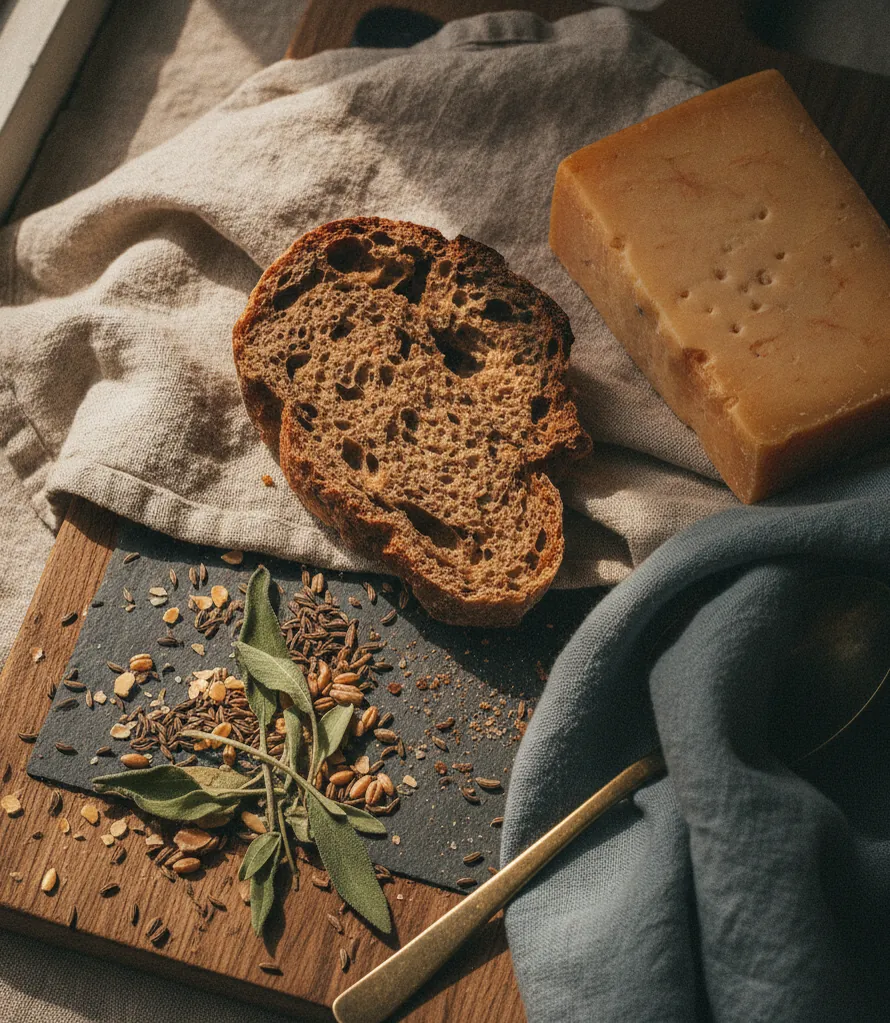
The effect has been cumulative. Once a destination acquires that kind of reputation, other things follow: artisan bread, carefully sourced cheese, producers who know their customers are paying attention. The village square now supports the sort of independent food retail that larger market towns struggle to sustain. None of it was planned from above — it grew around the anchor of that original pudding shop and the confidence that followed.
What else the village holds
Cartmel Priory is worth half a day on its own terms. Founded in the 12th century, it survived the Dissolution largely intact — an unusual piece of luck — and its interior contains medieval woodwork of real quality. The gatehouse, which stands in the village square, is one of the best-preserved examples of its kind in the north of England. Most visitors arriving for food find themselves inside the priory at some point, and most are glad they did.
The racecourse adds a different register. Cartmel's summer meetings are among the more atmospheric in the country — informal by the standards of the sport, sociable, very Cumbrian. Check the racecourse's own site for this year's fixture dates. On race days the village fills in a way that feels more like a local festival than a sporting event, and the food shops do correspondingly well.
The fells above are a reminder that this is still a working Cumbrian landscape. The cheeses sold locally reflect that — made from the milk of animals grazing those hills, carrying the character that comes from a specific place rather than a standardised process. It is worth asking in the village shops what is local and what is made nearby. The answers are usually more interesting than you expect.
Why it matters beyond the pudding
Cartmel is a useful case study in how food economies work at a village scale. One product, made exceptionally well and distributed widely, can shift the way a place is perceived. That shift attracts other makers, other visitors, other investment — not always smoothly, not always without tension, but in Cartmel's case with results that have mostly strengthened rather than overwhelmed what was already there.
The priory is still the priory. The square is still the square. The pudding is still made in the same shop. What surrounds it now is richer, busier and considerably better fed.