A market town that remembered what it was for
Altrincham's right to hold a market is rooted in a medieval charter that established the town as a trading place long before the Victorian era gave it a covered hall. That lineage matters. The revival that put Altrincham back on the national food map wasn't dreamt up from scratch — it returned to something that had always been there: a market is where a community buys good things from people who made them.
For years the hall sat underused, the kind of cautionary story repeated at planning meetings across the North West. What changed it wasn't a superstar chef or a property developer's vision board. It was a quieter, more durable idea: bring in independent food makers as residents, give people somewhere to sit and eat together, and trust that quality will do the rest.
The format that travelled
The model Altrincham refined is now so familiar it's easy to forget it was once unusual. Resident traders — not occasional stall-holders but producers and small kitchens with a genuine stake in the place — share a hall with communal tables rather than rows of individual restaurant seats. There's no fixed menu for the visit. You might eat bánh mì at one end and finish with a brownie from an indie baker at the other, without leaving the building.
What made this work, and what other markets borrowing the format sometimes miss, is the emphasis on residency over rotation. When traders return week after week, they refine what they do, build a following, and behave less like caterers and more like craftspeople. The hall gains an identity that belongs to its producers rather than its landlord. Versions of the model have since appeared from Sheffield to Bristol.
Producers and makers at its core
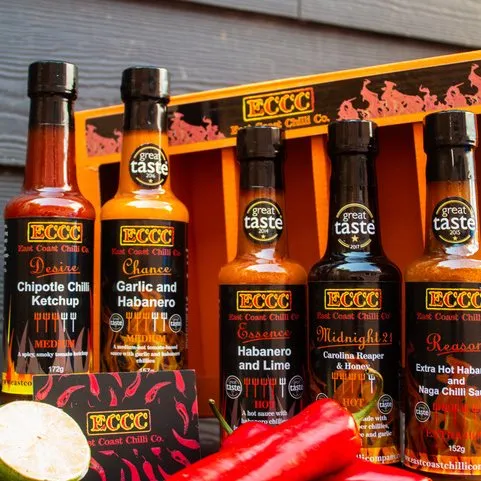
The food at Altrincham leans on the region's independent producer network. Greater Manchester and its surrounding counties have a strong tradition in artisan baking, charcuterie, raw-milk cheeses from nearby farms, and small-batch preserves. A well-run market hall gives those makers a retail outlet that a farmers' market stall alone can't provide — covered, consistent footfall, with the dwell time that comes when people are also sitting down to eat.
Shoppers browsing for a jar of something to take home almost inevitably stay for lunch. That crossover between retail and eating-in is what keeps a hall economically resilient in a way that purely restaurant-focused food destinations often aren't.
What to expect on a visit
The market runs across several trading days rather than seven — checking the official site before you travel is worth doing, because hours and trader line-ups shift by season. Weekend visits attract the biggest crowd and the broadest mix of traders, but a quieter weekday can be the better time to talk to producers directly.
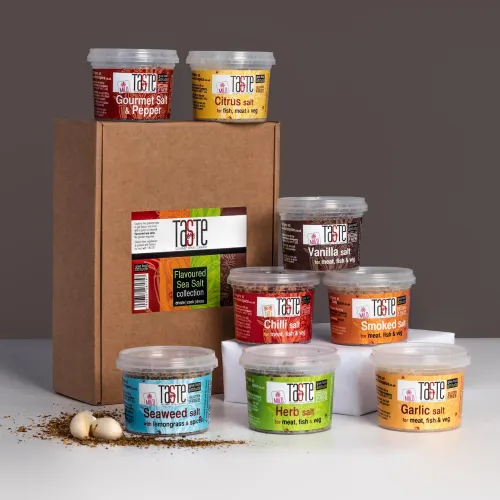
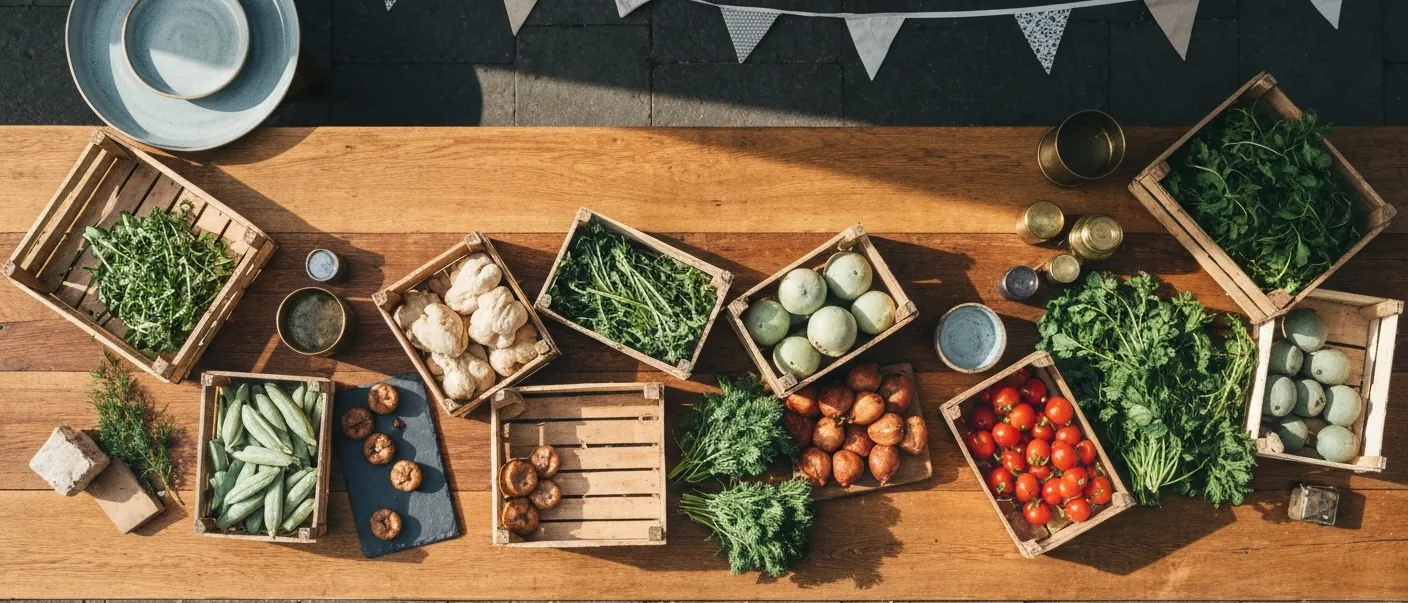
The hall's layout rewards a slow circuit before you commit to anything. Expect hot food from small kitchens, fresh produce, artisan baked goods, and carefully sourced store-cupboard provisions. It's the sort of place where you arrive for lunch and leave with a sourdough loaf and a jar of something you didn't know you needed.
Communal seating means sharing long tables with strangers. In practice, most people find it preferable to hovering with a plate — the tables create the atmosphere, and the atmosphere is the point.
Why the model endures
Food-hall revivals can fade quickly when they're built on novelty rather than quality. Altrincham's has lasted because the underlying logic is sound: give good independent producers a permanent home, keep the focus on food rather than experience-as-spectacle, and let community ownership of the space build gradually.
The hall works because Altrincham is a real town with real residents who shop there regularly, not just a destination for day-trippers. That local loyalty is the thing hardest to copy — and the reason the original remains worth visiting even as its imitators multiply.