A town that transforms
Abergavenny sits quietly in the Brecon Beacons foothills for most of the year — a market town with the bones of somewhere that has always known how to trade. Then, for one weekend each September, it fills with producers, chefs, writers and people who care seriously about what they eat. The festival spills across the town — into the castle grounds, the market hall, the cattle market, the surrounding streets — in a way that makes the whole place feel alive with it.
The comparison to Glastonbury gets made often enough that it has stuck, though the phrase is worth using lightly. What the two share is less about scale and more about atmosphere: the sense that everyone present has chosen to be somewhere they consider important, and that something is happening here that doesn't happen anywhere else quite like this.
What the weekend involves
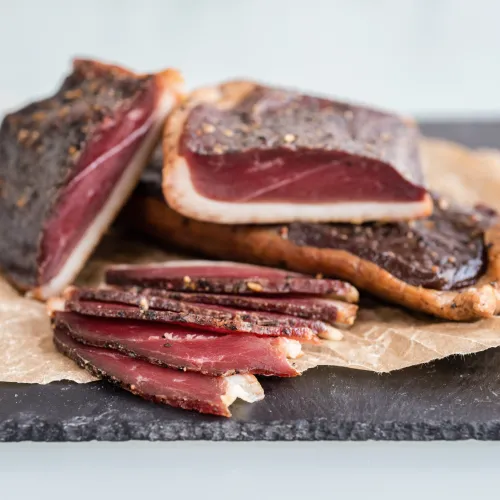
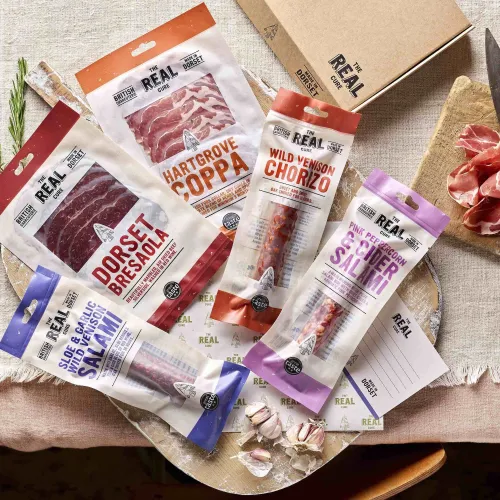
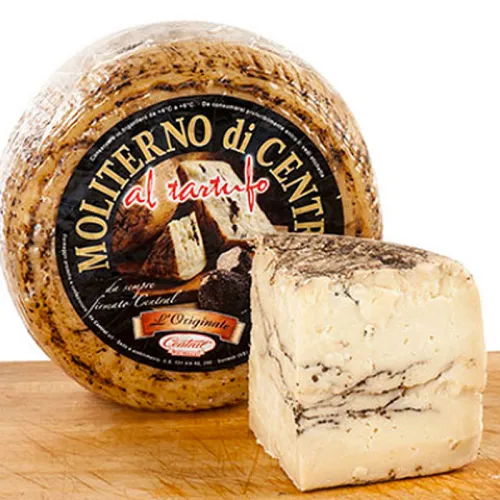
The programme runs across multiple venues simultaneously, so choices have to be made. Ticketed talks and demonstrations feature food writers and chefs; a broader market runs alongside, where producers sell directly to visitors. Tastings — of cheese, charcuterie, bread, preserves, wine, spirits — run throughout both days, some as part of structured events, others simply because the people behind the stall want you to understand what they've made.
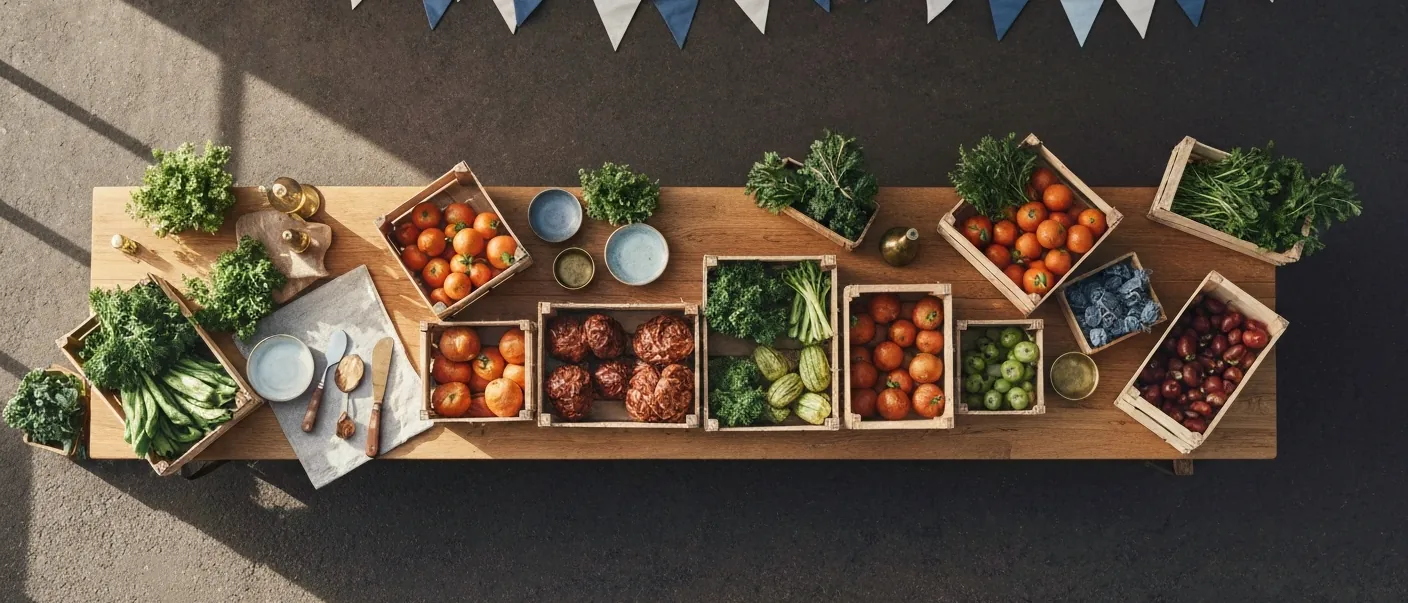
The producer market is where the festival earns much of its reputation. Wales has a strong tradition of small-scale farming and artisan food production, and Abergavenny gathers a serious concentration of it in one place. Producers also travel from across Britain, giving the market breadth without losing the regional focus that makes it distinctive.
The food culture behind it
It matters that this takes place in Wales. Welsh food production — lamb from the hill farms, raw-milk cheese, smoked fish, hand-crafted preserves — has a character rooted in landscape and climate that differs meaningfully from what you find in, say, the English Home Counties or the Scottish Highlands. A festival surrounded by the terrain that shapes what can be grown and reared here makes that geography legible in a way that a generic food fair in an exhibition centre cannot.
The town's market tradition reinforces this. Abergavenny has held a market for centuries, and there is something fitting about a food festival choosing a place where the exchange of produce is already part of how the town understands itself. The festival feels less like an event imposed on the location and more like an intensification of something already there.
Planning a visit
The festival is usually held on the third weekend of September, but dates shift slightly year to year — check the official site for this year's schedule, ticket information and programme details. Some events sell out well in advance, particularly the ticketed talks and dinners, so checking early is sensible if there are specific things you want to attend.
Abergavenny is reachable by train from Cardiff and from the west Midlands, which matters if you're weighing how much you might want to carry home from the producer market. Accommodation demand during festival weekend is high; book ahead.
- Check the official festival site for this year's dates and tickets before making travel plans.
- Ticketed sessions — talks, chef demonstrations, tutored tastings — tend to sell faster than general market entry.
- The market rewards time; a loose afternoon works better than a tight schedule.
- Arriving by train puts you almost immediately in the thick of it — the festival is walkable from the station.
Why it has stayed relevant
Food festivals have multiplied across Britain over the past few decades, and not all have aged well. Some have drifted towards an upmarket street-food format that could be anywhere; others have become more about celebrity appearances than about the food itself. Abergavenny has largely avoided both fates. Its emphasis on producers who make things rather than personalities who perform, and on the specificity of Welsh and British food culture rather than a vague internationalism, gives it an integrity that keeps serious food people returning.
It is a festival that trusts its subject matter. The food and the people who make it are interesting enough without needing to be dressed up as something else.