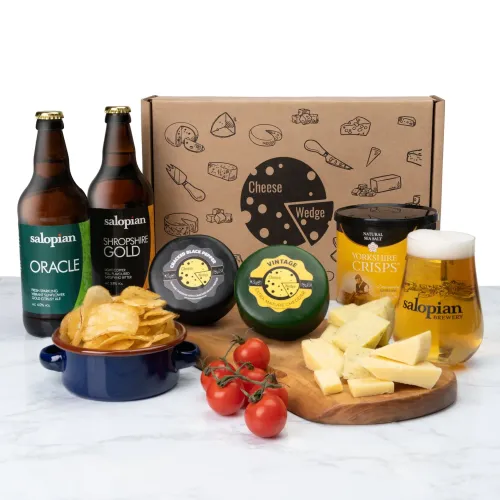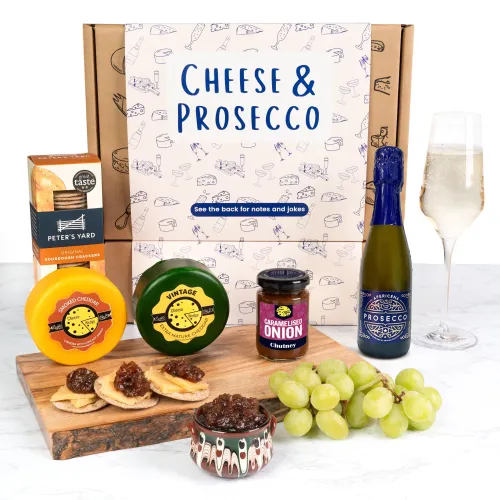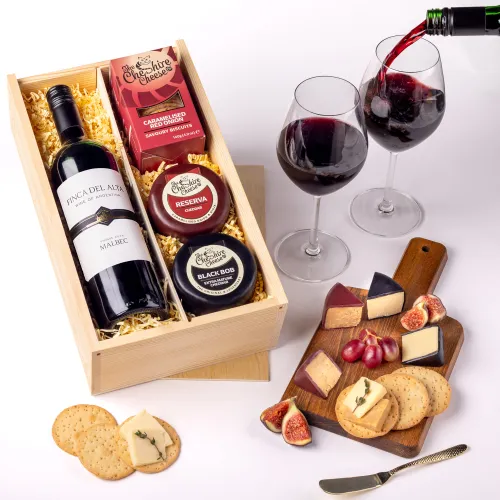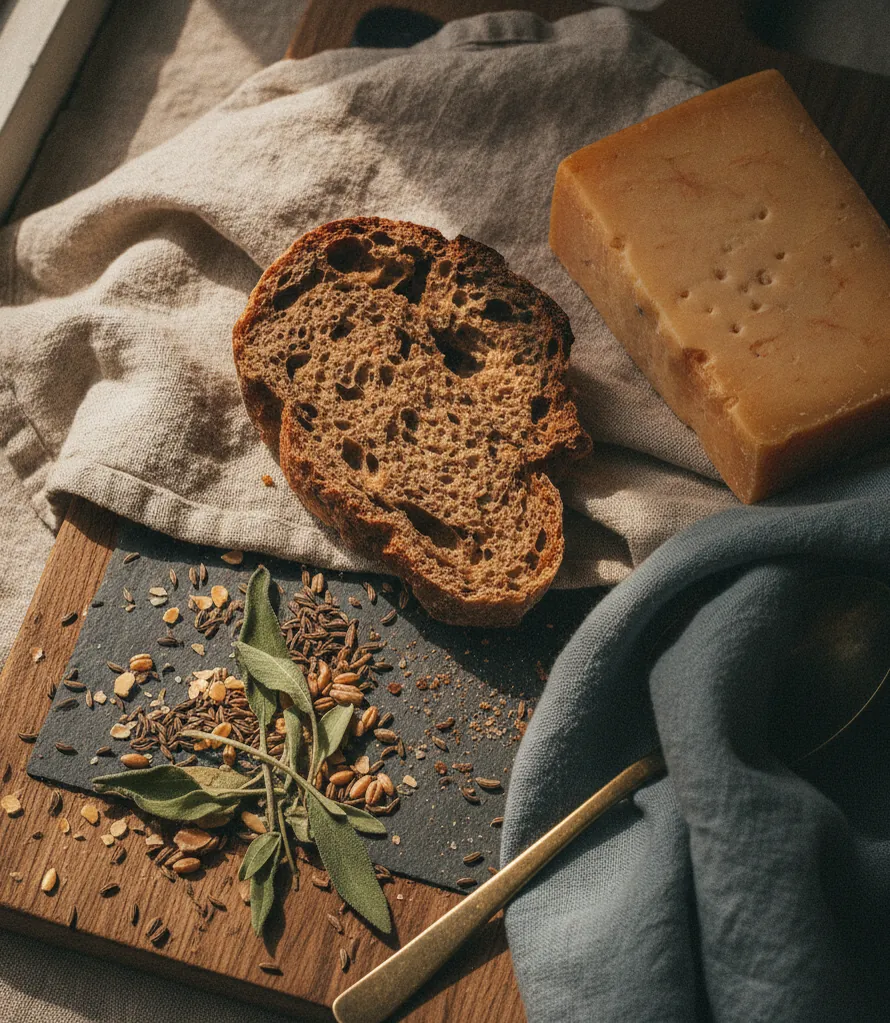
The case for beer
Beer's carbonation actively scrubs fat from the palate, resetting it between bites in a way that still wine cannot. Malt sweetness bridges naturally to the lactic and savoury notes in cheese — not competing with them, but meeting them halfway. Farmhouse ale and hard cheese shared the same table for centuries, produced often by the same hands, from the same barley fields. The logic was always there.
Wine struggles most with high-acid and very pungent cheeses, where tannins turn bitter and fruit notes get overwhelmed. Beer, with its wider range of roast, sweetness, bitterness and carbonation, has more tools to work with.
One principle before everything else
Match intensity first. A delicate fresh cheese will be flattened by a big imperial stout, just as a mild lager will say nothing useful next to a washed-rind that fills the room. Get the weight roughly right and you have done most of the work. From there, either echo flavours — roast malt against the caramel notes in a mature hard cheese — or contrast them, using bitterness or fizz to cut through richness. Both approaches work. Trying to do both at once rarely does.
Pairings worth knowing
Stout or porter with Stilton is the combination that converts sceptics. The roasted, slightly bitter edge of a good porter softens Stilton's sharpness and draws out its underlying creaminess. The carbonation keeps things lively. It does for blue cheese what port does — though with more freshness and less ceremony. If you already enjoy the port and Stilton tradition, this is the weeknight version.
IPA with a well-aged cheddar works on contrast. The resinous bitterness of a good IPA cuts through cheddar's dense, fatty richness and leaves the palate clean. The cheese's savoury depth — those crystalline, almost umami notes in a long-matured example — holds its own against the hops rather than being drowned by them. Each ingredient tastes more clearly of itself.
Wheat beer with fresh goat's cheese is the lightest combination here, and deliberately so. The citrus and gentle spice of a well-made wheat beer echoes the bright, grassy acidity in young chèvre. Neither ingredient is heavy; neither bullies the other. This is where to start if you are new to the idea — the pleasure is immediate and the margin for error is wide.
Traditional cider with Caerphilly or Wensleydale earns its place here even though cider sits outside beer strictly defined. The dry, tannic apple character of a farmhouse cider against the crumbly, milky freshness of Caerphilly is one of the great regional pairings of these islands — the two come from adjacent food cultures and taste like it. Wensleydale, with its mild sweetness, softens a sharper cider beautifully. If your interest runs to cheese and chutney pairings, this is a natural companion conversation.
A few practical notes
Serve both at the right temperature. Cheese should come out of the fridge with enough time to lose its chill — cold fat mutes flavour. Beer is best slightly warmer than you might pour it for drinking alone; at fridge temperature the malt character retreats and the pairing loses its anchor.
Quantity matters more than variety. Three cheeses and three beers chosen with care will produce a better evening than six of each chosen at random. The pairings above are starting points, not a fixed menu — once you have the principle of matching intensity and choosing echo or contrast, you can reason your way through most combinations before you even open anything.
Strong, hoppy beers can overwhelm mild cheeses, and very sour styles — certain Belgian ales, some modern mixed-fermentation beers — can clash with high-acid varieties in ways that are difficult to predict. These are worth exploring if you know the territory, but they are not where to begin.