The two-hour rule
Most food safety guidance — including advice from the NHS and the Food Standards Agency — points to the same core principle: perishable foods left at room temperature should be eaten within two hours. In warm weather, that window shortens. This isn't paranoia; it's simply the rate at which bacteria multiply once food leaves the fridge. Knowing that figure lets you plan honestly rather than anxiously.
The foods that fall under this guidance are the ones you'd expect: cooked meats and fish, egg-based preparations, soft cheeses, dairy puddings, anything involving mayonnaise. These need to stay cold until eaten, and anything untouched after a couple of hours out of the cool bag is better left.
What a cool bag can actually do
A cool bag is only as useful as what's inside it. Reusable ice packs help, but freeze a bottle of water the night before and use it as a cold block — it thaws gradually and gives you cold drinking water as a bonus. Pack the bag tightly; air gaps warm faster than food does.
Keep the cool bag in the shade rather than a car boot, which can reach temperatures well above the ambient air. It sounds obvious, yet it's the most common mistake: the bag travels in a cool car, then sits in direct sun on a blanket while everyone settles in. A few minutes of thought on arrival makes a real difference.
A separate bag for drinks is worth considering. Every time you open a bag for a can or a bottle, warm air rushes in. Keeping perishable food in one bag and drinks in another means the food stays colder for longer.
Foods that don't need chilling
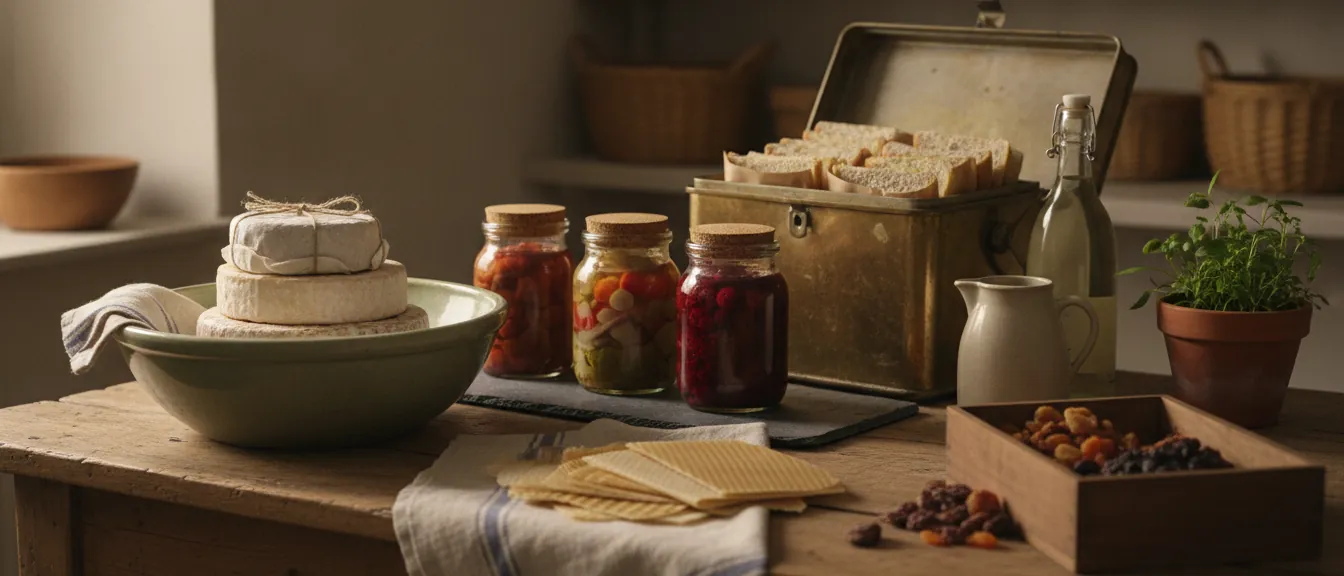
This is where packing gets simpler than most people assume. Whole, uncut fruit — apples, grapes, plums, cherries — travels happily at ambient temperature. The same is true of bread, crackers, and sealed artisan preserves. A jar of chutney or good jam needs no refrigeration until opened.
Hard cheeses are more resilient than people think. A well-made cheddar, aged manchego, or firm pecorino will hold up for a few hours out of the fridge without any safety concern, particularly in the shade. The texture may soften slightly, but flavour is often better at room temperature. It's the soft, fresh, and rind-washed cheeses that genuinely need to stay cold.
Whole, unpeeled vegetables — cherry tomatoes, radishes, sugar snaps — travel well without refrigeration. It's when you slice into things that the clock starts ticking, so cut fruit or vegetable crudités are better packed in the cold box if they'll sit for a while.
Putting it together
A picnic organised around these distinctions almost plans itself. Load the cool bag with what genuinely needs it — cooked chicken, potato salad, a soft cheese, anything with egg — and let the rest travel in an ordinary basket. Bread, hard cheese, preserves, whole fruit need no cold, and grouping them separately means you open the cool bag less often.
It also makes the packing more enjoyable. A board laid out with a block of mature cheddar, a seeded loaf, a jar of something sharply pickled, and a pile of radishes is as good a picnic as any — and not a single item needed ice. The cool bag, meanwhile, can do its one job well without being raided for a bread roll every five minutes.
Hands and utensils matter as much as temperature. Handling food with clean hands, keeping serving implements away from raw and cooked items, and not leaving communal dishes uncovered in the sun all count. None of it is complicated — it just requires a moment's thought before you leave the house.