Why coffee is such a difficult gift
Most food gifts are forgiving. Wine keeps, chocolate travels well, a good jam is a good jam. Coffee is different. It is perishable and deeply personal, and the gap between a gift that lands and one that quietly disappoints is narrower than it looks.
Coffee lovers have almost certainly dialled in a routine — a particular roast profile, a specific grind size, a brewing method. Anything that disrupts it without being better is just a hassle. It is worth understanding what actually makes coffee good, and which gifts sidestep the guesswork entirely.
Beans: what to look for
Freshly roasted coffee goes stale. Carbon dioxide escapes from roasted beans continuously, and with it goes flavour. By the time most supermarket coffee reaches a shelf, it has been there for weeks or months. The best-before date tells you almost nothing useful, because it is calculated from the point of packing rather than the point of roasting. A bag can be well within its best-before date and still taste flat.
What you want to see is a roast date, printed clearly on the bag. Speciality roasters almost always include one; most mainstream brands do not. Freshly roasted beans are at their best somewhere between a few days and a few weeks after roasting, depending on variety and brew method — but the roast date is the only way to know where you are in that window.
There is a second complication: espresso and filter coffee are not interchangeable. Espresso roasts tend to be darker and more soluble, suited to pressure and speed. Filter roasts are often lighter, with more acidity and complexity, designed for slower extraction. If you do not know how they brew, whole beans from a reputable roaster with a visible roast date are the safest option — at least they can grind to suit. Pre-ground is almost always wrong: grind size is set for a specific method, and ground coffee goes stale far faster than whole beans.
Gift sets built around pods or pre-ground taster sachets, however attractively packaged, miss the point entirely. The packaging is the gift; the coffee is not.
The things around the coffee are often better presents
A good grinder changes more than any bean upgrade. Grinding to order, immediately before brewing, makes a measurable difference to flavour and aroma. Many home coffee drinkers — even enthusiastic ones — are still using a blade grinder or none at all. A burr grinder, which crushes beans between two abrasive surfaces rather than chopping them unevenly, is the single piece of equipment most likely to improve someone's daily cup.
Scales are less glamorous but almost as useful. Brewing by weight rather than by scoop produces consistent results; a small set of digital scales that measures to a fraction of a gram is a practical gift that a serious coffee drinker will reach for every morning. Both are durable purchases that many people put off buying for themselves — which is exactly what makes them good gifts.
Something to eat with coffee
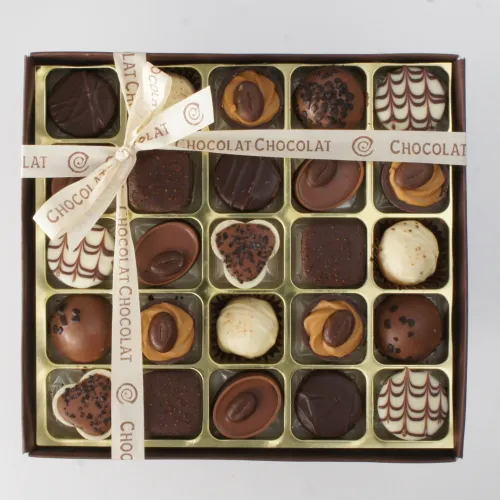
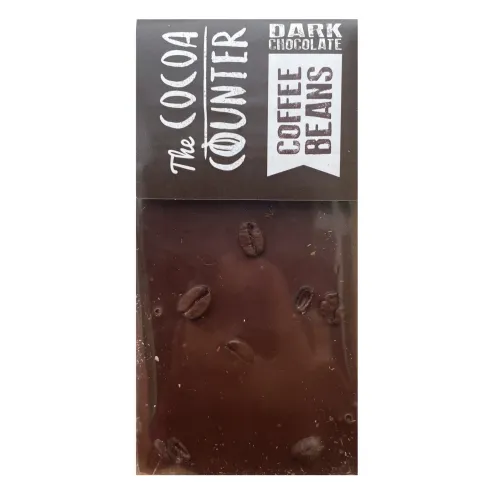
If equipment feels too technical or expensive, the most straightforward option is something good to eat alongside a cup. Dark chocolate — especially anything with high cocoa content and some bitterness — pairs well with espresso and black filter coffee through shared compounds and complementary flavours. A well-made shortbread or proper butter biscuit suits the ritual of a mid-morning break in a way that feels considered rather than generic. Dense, lightly spiced cakes — almond, cardamom, orange — are traditional partners to coffee across much of northern and central Europe for good reason.
These gifts require no knowledge of someone's setup, no guesswork about roast profiles, and no risk of duplication. They work alongside whatever the person is already doing.
When a subscription is the smartest choice
For a coffee drinker who already knows what they like, a subscription from a speciality roaster is often the most thoughtful option. Many roasters offer subscriptions where the recipient selects their own roast and grind preference, receives beans shortly after roasting, and can adjust or pause as they like. This sidesteps every compatibility problem: freshly roasted coffee matched to their own setup, delivered at a pace that suits them.
It also introduces someone to a roaster they might not have found otherwise. Britain's speciality coffee scene has grown considerably, with small roasters across the country producing exceptional single-origin and blended coffees. A subscription is an open-ended gift rather than a closed one.
_DONE_k016-wj_jpgq80.webp)