The problem with the default hamper
Most corporate food gifts fail at the same point: the person choosing them is thinking about the gesture rather than the recipient. A large, ribboned box arrives, gets opened at a desk, and presents an immediate practical problem — how do you share a single jar of pickle between fourteen colleagues, and who actually wanted it? The communal format made sense when offices had long lunches and shared kitchens people lingered in. That is rarely the case now.
Individually portioned gifts travel better, suit remote and hybrid teams, and spare the recipient the mild anxiety of equitable distribution. A beautifully wrapped single chocolate bar from a small-batch maker, a pouch of single-origin coffee, a tin of hand-blended tea — these land as something chosen, not something dispatched.
Provenance as the point of difference
What separates a considered food gift from a generic one is almost always the story behind it. A jar of honey labelled only 'honey' says nothing. The same product with a card explaining that it comes from hives kept on a particular stretch of Scottish heather, harvested once a year, suddenly has weight. The recipient has something to tell someone else — and that narrative is, in effect, part of what you are giving.
British independent food producers are especially strong here. The craft is often specific: a cider made from a single orchard's worth of bittersweet apples, a cheese aged in a particular cave, a shortbread recipe unchanged for generations. That specificity makes the gift feel like a recommendation rather than a transaction. When choosing on behalf of a business, lean into producers who communicate their process clearly — their own language will do the storytelling for you.
Covering dietary ground without losing quality
Any group of more than a handful of people will include someone vegan, someone gluten-intolerant, someone keeping halal or kosher, and someone with a nut allergy. Send a tin of salted caramels with a blanket allergen disclaimer and you have excluded half the room before anyone has unwrapped anything.
This constraint tends to push choices in more interesting directions. Many of the most compelling British independent producers work in naturally inclusive categories — fruit preserves, cold-pressed oils, single-origin chocolates made in dedicated facilities, smoked sea salts. A gift built around one of these feels focused rather than compromised. If you are assembling something more varied, choose items that can each stand alone as a complete gift, so that anyone who cannot eat one component still has something worth keeping.
When ordering for larger teams, consider whether a consistent gift sent to individuals — the same well-produced item to everyone — is more equitable and more elegant than a mixed selection that some people will pick through and others will leave untouched.
Timing is where most corporate gifting goes wrong
The instinct to send gifts in the last two weeks before Christmas is understandable, but that is also when postal networks are most strained, recipients are distracted, and your parcel is competing with every other gesture your contacts have received that week. Food gifts requiring refrigeration face additional risk at this point — not from the cold, but from delays.
Sending earlier, before the December rush begins in earnest, almost always means the gift arrives in better condition and receives more attention. It also signals a degree of organisation that reflects well on whoever sent it. For perishable or temperature-sensitive products — fresh cheese, cured meats, certain chocolates — timing matters not just for impression management, but for whether the thing arrives edible.
If your recipient list is spread across the country, confirm delivery lead times directly with smaller producers. Many independent makers fulfil their own orders and can give realistic windows; large aggregator sites often cannot.
Branding, taste, and what actually matters
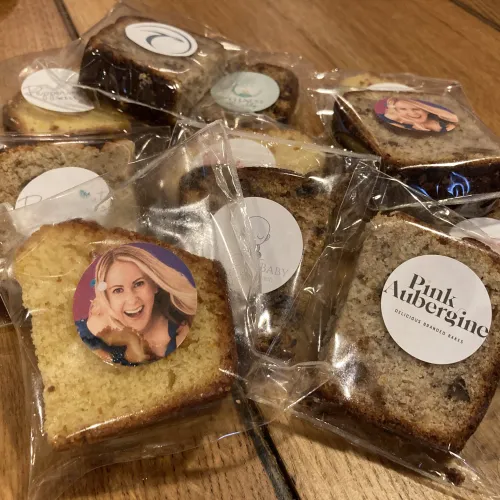
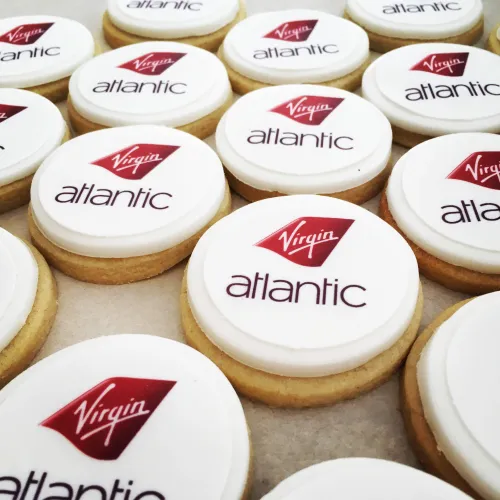
There is a version of corporate gifting where the logo on the packaging is larger than the name of the food itself. That approach communicates one thing clearly: this gift is primarily for the sender. Taste is something the recipient actually experiences — and a producer whose product is genuinely worth eating will be remembered long after your company name on the ribbon has been forgotten.
Choose on the basis of what you would want to receive yourself, from makers whose quality you can verify. If you have not tasted it, ask for samples before ordering at scale. Most reputable small producers expect this and welcome it. The gift that gets eaten rather than quietly regifted is the one that did its job.