Made differently, used differently
Chutney, pickle and relish often share a shelf in the same deli and arrive at the table in matching little pots. But they are made by different methods, have different textures and belong with different foods. Knowing the distinction makes it much easier to choose well.
What chutney actually is
Chutney is fruit, vegetables or both, cooked down slowly with vinegar, sugar and spice until the whole thing becomes a mellow, deeply flavoured preserve with a jammy consistency. The individual pieces of fruit or vegetable largely disappear into the mass. That long, slow cooking — and a resting period afterwards — is what distinguishes a good chutney from anything sharper or looser.
British chutney arrived via the colonial kitchen, adapted from Indian chatni, and has developed an entirely distinct character: darker, richer and more vinegar-forward than its South Asian ancestor. A freshly made chutney can taste harsh and one-dimensional; given time in the jar, the vinegar softens, the spices integrate and the whole thing rounds out. We have a separate piece on why that resting time matters — worth reading before you crack open a newly bought jar too soon.
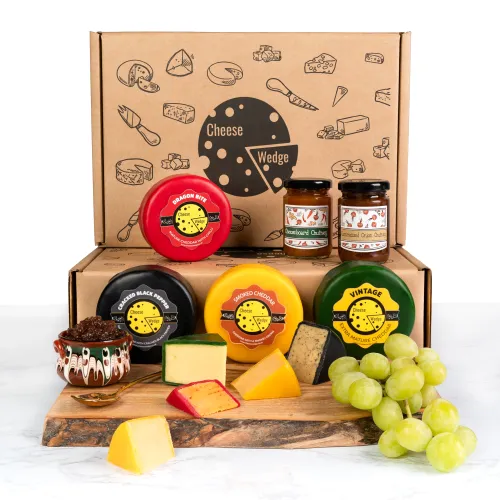
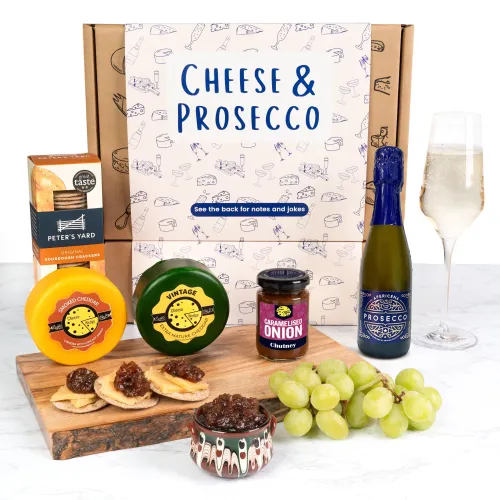
On a cheeseboard, chutney earns its place beside aged, assertive cheeses. A mature Cheddar, a crumbling Cheshire or a firm goat's cheese can hold their own against its sweetness and depth. With something delicate — a fresh ricotta or a young Brie — chutney will overpower it.
What pickle means in practice
Pickle preserves its ingredients in vinegar or brine, and the ingredients keep their shape. You can see what went into it. A pickled onion is still visibly an onion; a ploughman's pickle contains recognisable chunks of vegetables in a thick, vinegary sauce. That textural presence is the defining characteristic — pickle has bite, crunch and a sharper, more pungent flavour because the cooking is lighter and the vinegar does more of the work.
The range within the category is wide. At one end sit whole pickled silverskin onions or gherkins — briny and very sharp. At the other, chunky brown pickle with a more complex flavour closer to chutney, but still with distinct vegetable pieces throughout. What they share is an acidic directness. Pickle cuts through fat in a way that chutney mellows it.
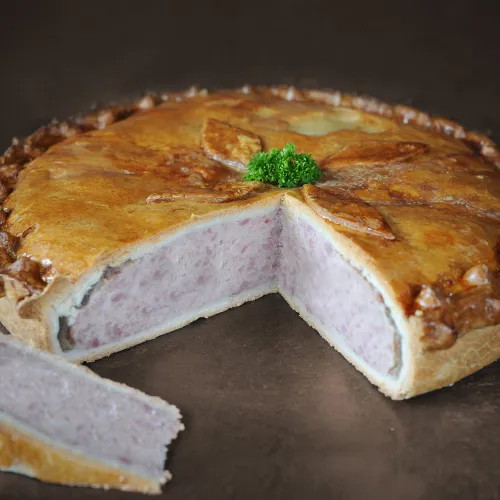
On the board, pickle suits a strong Cheddar or a thick slice of cold pie. It also does something useful in a sandwich that chutney cannot — the sharpness acts as seasoning, waking up ham, Cheddar or rare beef rather than sitting alongside them as a separate condiment.
Relish: fresher and looser
A relish is finer-cut and fresher-tasting than either of the above, and is often less cooked — sometimes barely cooked at all. The texture is looser, the flavour brighter, and the intention is that you spoon it generously. Think of a tomato relish or a corn relish: you can taste the raw character of the main ingredient rather than a deep, slow-cooked complexity.
That freshness makes relish the natural partner for grilled or hot food — burgers, sausages, grilled chicken — where chutney can seem too heavy and pickle too sharp. On a cheeseboard it has less of a traditional role, though a well-made onion relish can work with a mild cheese if you want something lighter than chutney.
Where piccalilli fits in
Piccalilli — covered in its own article — sits deliberately between pickle and relish. The vegetables are cut small and kept in recognisable pieces (pickle logic), but the mustardy, turmeric-yellow sauce surrounding them is thick and complex enough to feel more substantial than a straightforward relish. It is its own thing, and a distinctly British one.
A simple rule for the cheeseboard
If you want one jar to do most of the work: chutney handles strong, aged cheeses; pickle earns its place beside pies and cold meats; relish suits hot food or lighter, fresher cheeses. There is nothing wrong with putting all three on the table — something jammy, something sharp and something fresh gives guests far more to work with than a single all-purpose condiment.