A larder built on lowland farming
West Lothian and Midlothian occupy the broad agricultural belt between Edinburgh and the Southern Uplands — more fertile than the Highland clichés Scotland is often reduced to, and productive in a way that rarely makes it into tourist brochures. The soils suit mixed farming: dairy and beef cattle graze the lower ground, cereals fill the open fields, and the landscape rises into rough hill grazing toward the Pentlands and the Moorfoots.
That combination — lowland richness and upland character — makes the food of both counties more varied than their modest size suggests. Neither is a single-crop county.
Grain, oats and the brewing tradition
Midlothian has long been oat and barley country. Scotland's attachment to oatmeal — the porridge pot, the oatcake on the board, the rough-milled stuff stirred into brose — has always needed specific ground to grow on, and this county provided it. The same barley that fed communities for centuries has, in a different form, fed breweries and distilleries too. Midlothian has a meaningful brewing and distilling presence drawing on local grain and the soft water off its hills; for anyone interested in Scottish drink as something rooted in landscape rather than label design, that connection is worth understanding.
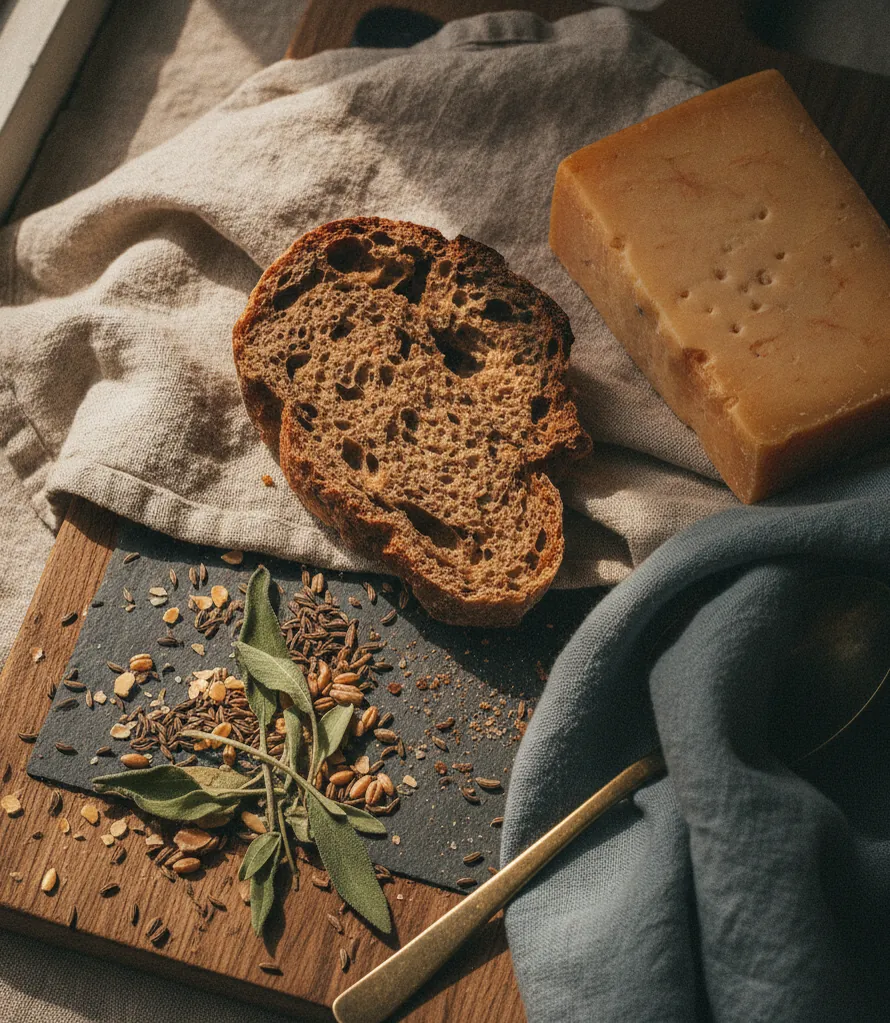
The oatcake deserves a moment. Though made across Scotland, its logic feels distinctly Lothian in spirit: a dense, simple biscuit that goes with almost everything — cheese, smoked fish, cold meat, or nothing beyond a strong cup of tea. It became traditional not because anyone decided to preserve it, but because it kept being useful.
Soft fruit, market gardens and pick-your-own
Closer to Edinburgh, the land is put to more intensive use. Market gardening has a long history in both counties, supplying the city with vegetables and brassicas that travel a short distance without losing condition. Soft fruit is part of that story: strawberries and raspberries grown in fields that double as pick-your-own operations through the summer. The concentration of farms doing this across the Lothians means the choice of where to go is real rather than tokenistic.
This proximity to Edinburgh has shaped both counties' food culture practically. Rather than developing a single signature product for export, they have become what a city needs on its doorstep: a reliable supply of fresh, seasonal produce from farms visited directly as much as sold through wholesale channels.
Hill sheep and upland character
As the ground rises into the Pentlands and the Moorfoot Hills, the farming changes. Hill sheep are the defining livestock — breeds suited to rough pasture and variable weather, producing lamb that has worked for its flavour across open ground rather than being finished quickly on lowland grass. The result tends to be leaner and more pronounced in taste than intensively reared alternatives.
Scottish hill lamb has a seasonality that supermarket supply chains tend to flatten. Buy through a farm shop in either county and that rhythm becomes legible again. Both West Lothian and Midlothian are dense with farm shops, and this is where the upland and lowland strands come together most clearly. Lamb and beef from the hills, dairy from the lower farms, oatcakes, soft fruit, local beer: in a good farm shop you can read the whole landscape in a single basket.
How to engage with it
The most direct way to understand what these counties produce is to move through them with some attention. Farm shops and pick-your-own operations are signposted widely; most run through the growing season and into autumn, though hours vary — check ahead. Brewing and distilling operations across Midlothian frequently offer visitor access; confirm current arrangements before travelling.
What you will not find here is a single emblematic dish or a branded regional food identity in the way Arbroath has its smokie or Stornoway its black pudding. West and Midlothian feed a city rather than performing for visitors, and the food reflects that: straightforward, seasonal, better than it looks on paper.