What stovies actually is
Strip away the romanticism and stovies is a simple thing: floury potatoes cooked slowly with onions in dripping until they collapse into something soft and savoury. Beyond that skeleton, almost everything else is negotiable. Leftover roast meat is the traditional addition — whatever was sitting in the tin after Sunday lunch — though corned beef and sausage both have loyal followings, and some households keep it purely vegetable. The dish is finished when the potatoes are tender enough to eat with a spoon, the onions have all but disappeared into the fat, and the whole thing smells of cooking that has taken its time.
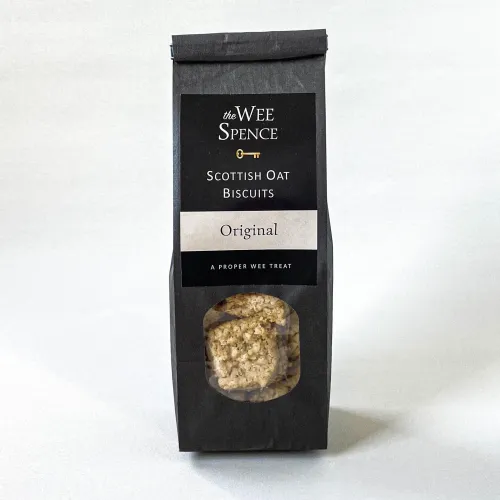
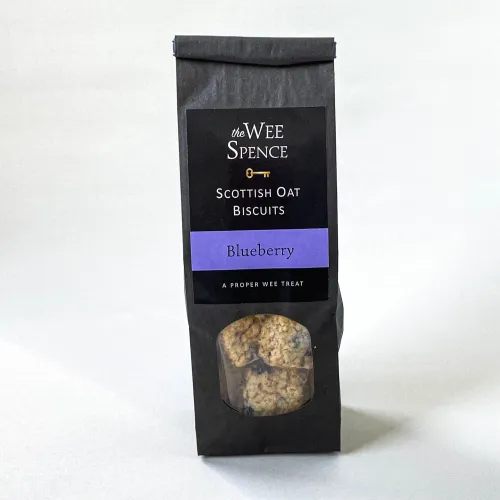
It is usually served with oatcakes on the side and, in many parts of Scotland, a helping of pickled beetroot. That sharpness cuts through the richness of the dripping in a way that feels less like a garnish and more like a structural decision — whoever first put those two things together understood the dish well.
Where the name comes from
The word is thought to derive from the French étouffer, meaning to stew in a closed pot, which arrived in Scotland via the culinary exchange with France known as the Auld Alliance. That link is not certain and is better held loosely than stated as fact. What is clear is that stove as a cooking verb appears in older Scots usage, and the dish takes its name from the method rather than the ingredients.
Why it varies so much around Scotland
Ask ten Scots how their family makes stovies and you will get ten different answers, and at least three of those people will insist the others are wrong. In the north-east — Aberdeen and surrounding towns — corned beef is the dominant addition, stirred in towards the end so it breaks into the potatoes without disappearing entirely. Elsewhere, particularly where Sunday roast culture was strongest, shredded leftover lamb or beef is the natural choice, along with whatever roasting juices remained in the tray. Some households use lard where dripping is unavailable; some add stock, others rely solely on fat and a lid.
The variation reflects the dish's true nature. Stovies was never a recipe in the precise sense — it was a method for not wasting what you had. The consistency across all versions is the technique: low heat, a heavy pot, a tight lid and time. That is what produces the texture that distinguishes good stovies from a slapdash mash.
The Sunday roast connection
Stovies and the Sunday roast are locked together in a way that makes practical and historical sense. Roasting a joint produces dripping — fat and meat juices that set solid once cold — and usually leaves meat on the bone that is awkward to serve again as a main course. Stovies absorbs both. The dripping goes in at the start to soften the onions; the leftover meat follows later, lending its flavour to the potatoes as they cook down.
Stovies belongs to the same tradition as the broader British habit of giving leftovers a Monday identity of their own — a subject covered in our Boxing Day cooking piece. The Scottish version is perhaps the most codified of these, having acquired a name, a regional identity and a degree of national pride that bubble and crisps rarely manage.
What separates good stovies from merely adequate ones
Three things matter above all else. First, the potato: a floury variety that breaks down easily and absorbs fat is essential. Waxy potatoes hold their shape too well and produce something closer to a potato salad than the soft, unified dish stovies should be. Second, the dripping: good beef dripping saved from a roast gives depth that butter or oil cannot replicate. Third, patience. Stovies cooked quickly over high heat turn to mush unevenly, with scorched patches alongside underdone ones. Cooked slowly in a heavy pot with the lid on, the potatoes steam in their own moisture while the fat seeps through evenly — a different result entirely.
The temptation to lift the lid too often is real, but the dish needs to be left alone. Once the onions have softened in the fat and the potatoes are layered on top, reduce the heat and walk away. If you have good oatcakes to serve alongside — the rough-textured, properly oaty kind discussed in our Scottish oatcakes piece — they are worth seeking out. The contrast of textures does a great deal for the finished dish.