A county of contrasts
South Yorkshire sits where the Pennine uplands meet the broader, flatter reaches of the Humber plain, and that geography shapes what ends up on the plate. To the west, moorland rises sharply — country better suited to sheep and hardy cattle than to arable crops. Further east, the land opens into more productive agricultural territory where cereal growing and mixed farming become viable. Few English counties pack such a range of farming conditions into a compact space.
Upland grazing produces lamb and beef with a character shaped by rough pasture. Moorland-reared animals tend to develop more slowly than intensively reared stock, and slower growth generally means better flavour and firmer texture. It is the kind of raw material that independent butchers and small producers can do something worthwhile with.
Market towns and their larders
South Yorkshire has always been a county of working towns, and the market has historically been the mechanism through which food moved from farm to household. Doncaster, Rotherham and Barnsley each have long-established market traditions, and Sheffield — though a city — has its own covered market that has served the area for generations. These are not heritage attractions; they remain functional, busy places where local producers sell directly and buyers can find things grown or reared within a sensible distance.
The market tradition also sustains a certain kind of small producer: the baker supplying a handful of stalls, the cheesemaker selling at a weekly market rather than through a national distributor, the smallholder who grows seasonally and sells what they have. This informal infrastructure is easy to overlook, but it gives the county's food economy much of its character.
What the landscape produces
Sheep farming on the Pennine fringe means lamb is a natural feature of South Yorkshire cooking — braised, slow-roasted, or used in robust preparations that suit unforgiving weather. Beef from upland herds follows similar logic. Neither is flashy, but both reward good sourcing and straightforward cooking.
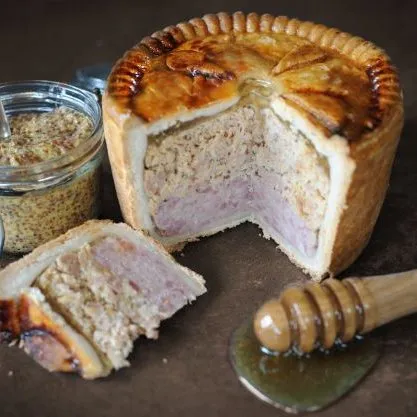
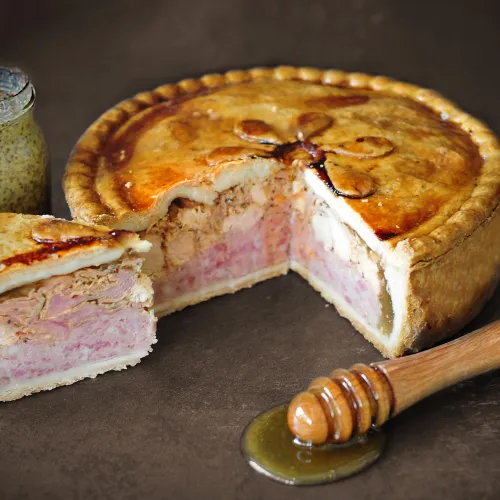
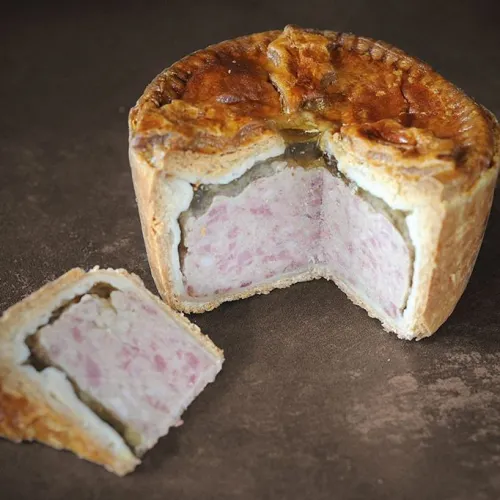
Pork has a strong presence across Yorkshire, and South Yorkshire is no exception. Cured meats, pork pies and sausages made by independent butchers to their own recipes have long been part of the local food landscape. A good Yorkshire butcher tends to be a serious operation, and the region has plenty of them. Charcuterie in the continental sense is a more recent arrival, but it sits naturally alongside existing traditions.
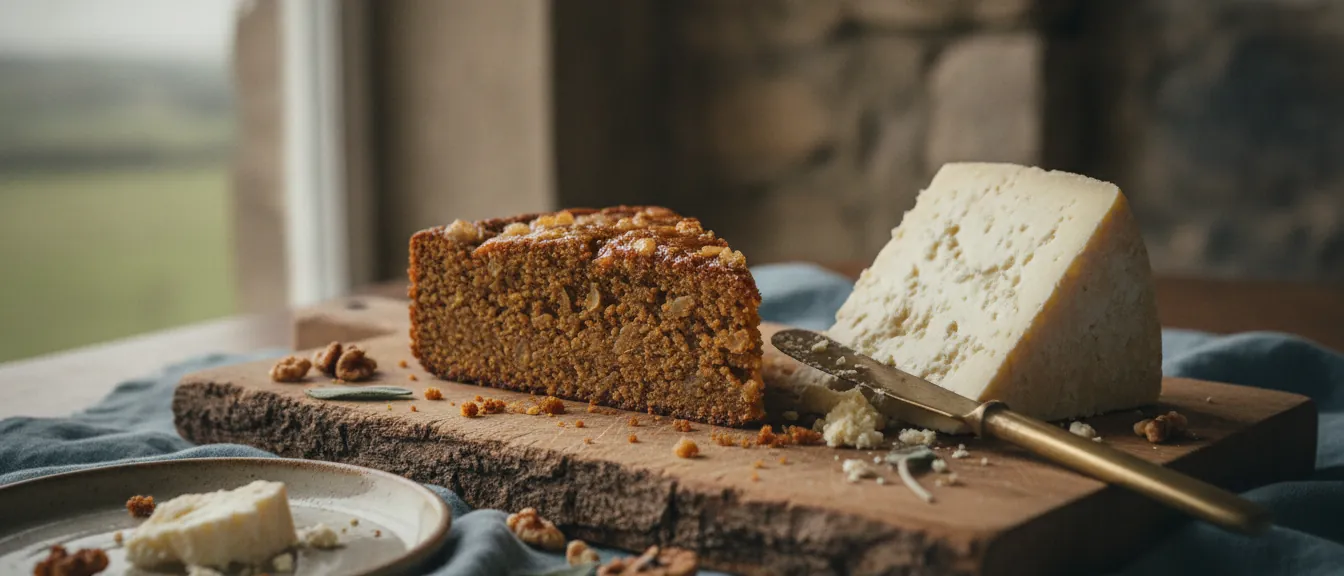
Dairy farming is less dominant here than in the Dales or the Cheshire plain. Small-scale milk producers and farmhouse cheesemakers do operate within and around the county, with output that tends to be modest in volume but high in quality — the economics of small-batch production encourage care.
Sheffield and the independent food scene
Sheffield has developed one of the more credible independent food cultures of any English city. It has a density of independent bakeries, specialist food shops, small roasters and producers that reflects genuine appetite rather than trend-chasing. Several food markets run year-round, making it easier than in many cities to eat locally and seasonally without particular effort.
There is also a longstanding culture of allotment growing in Sheffield. The city has a significant number of allotment sites relative to its population, and that tradition feeds into a broader interest in where food comes from and how it is produced — one of the less visible but more telling indicators of a place that takes food seriously at a grassroots level.
Buying well in South Yorkshire
The most direct route into South Yorkshire's food is usually the best one. Farm shops, weekly markets, and independent butchers and bakers remain the clearest way to find what the county actually produces. Farmers' markets are held regularly across the county — usually check local listings before travelling, as dates and locations vary.
The county's food is not built on a single famous product or one dramatic tradition. Its strength is cumulative: good raw materials, a working market culture that has survived where it has been lost elsewhere, and a growing number of small producers doing careful, specific things with what the landscape offers.