A county shaped by what it grows
Herefordshire sits apart from most of England. No motorway cuts through its middle, no large city dominates its market towns, and the land — a wide, red-soiled basin framed by the Black Mountains and the Malverns — has been given over to farming, orcharding and grazing on a scale that few English counties match. The specialities here are not quirks of local custom; they are the products of a landscape that happens to suit certain things exceptionally well.
Hereford beef — the breed that crossed the world
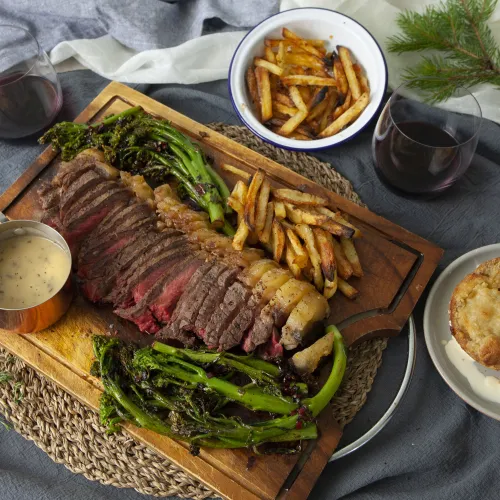
The white-faced, red-bodied Hereford is one of the most recognisable cattle breeds on earth, farmed from the Argentine pampas to the plains of Australia. Every one of those bloodlines traces back to this county, where the breed was developed from the 18th century onwards by farmers working the same river-valley pastures that still exist today. That Herefordshire beef retains a particular reputation even now — when Herefords are raised on every continent — says something about how well-suited the animal is to its original home.
What the breed offers is marbling without excess fat and a depth of flavour that comes from slower growth on grass. Local butchers and farm shops across the county sell it properly hung, which is increasingly rare in mainstream retail. When buying Herefordshire beef, ask specifically about the farm and the hang time — the difference between a well-aged local cut and a supermarket equivalent is considerable.
Hops from the Frome valley
Herefordshire is hop country as much as it is orchard country. The Frome valley has been growing hops for British ale and bitter for generations, and the distinctive hop yards — tall frames strung with bines that die back every autumn — remain a working part of the landscape rather than a heritage feature. Herefordshire hops tend toward the aromatic, earthy character associated with traditional English bitters. Several breweries in the region source locally, keeping the connection between field and glass genuinely short.
The hop harvest falls in late summer and still shapes the agricultural calendar in a way that feels distinct from the rest of England. Historically it drew large itinerant workforces into the county; today the picking is largely mechanical, but the seasonal rhythm persists.
The Wye's salmon
The River Wye, which forms much of Herefordshire's border with Wales, was once among the finest salmon rivers in Britain. Its large, late-running Atlantic salmon built a genuine local food tradition: commercial fisheries, coracle fishing, and a culture of smoking and potting the catch that persisted for centuries. The river's salmon population has declined significantly in recent decades, and responsible sourcing matters enormously. Wild Wye salmon, where it can be obtained legally and sustainably, remains exceptional — firm, deep in flavour, and quite different in character from farmed fish. A handful of specialist suppliers still work with the river properly; they are worth seeking out.
Orchards and the wider larder
No account of Herefordshire food is complete without acknowledging the orchards — thousands of acres of traditional cider-apple trees that make this one of the most concentrated fruit-growing landscapes in Europe. The county's cider tradition is covered in a separate article and deserves that dedicated space. The orchard culture extends further, though: perry pears, dessert apples, damsons and plums are all grown here, and the farm-shop trade built around them is substantial.
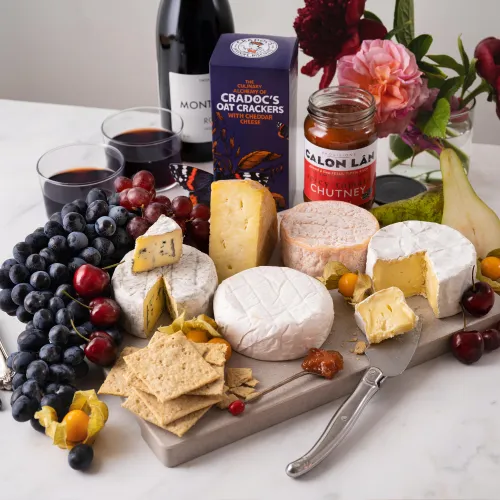
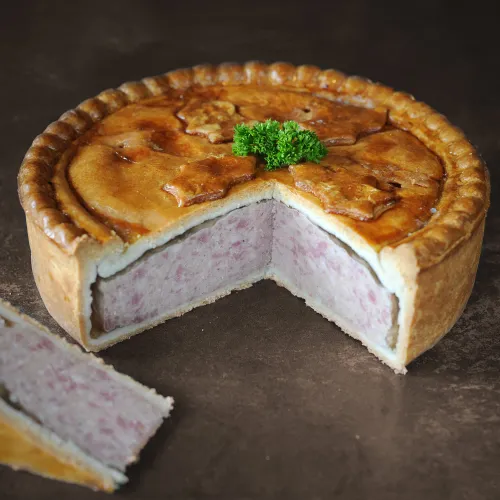
Herefordshire's farmers' markets — particularly in the county town and in the market towns along the Welsh border — reflect the agricultural calendar reliably: soft fruit in late summer, game from the estates in autumn, root vegetables and squash through the winter. The county's black-and-white villages, named for their timber-framed buildings, are home to some of the best farm shops in the Midlands, many selling their own beef, lamb, pork and poultry alongside local cheeses and charcuterie. As introductions to the county's larder go, an afternoon spent among them is hard to beat.