A county shaped by its edges
Fife sits on a peninsula between the Firths of Forth and Tay, and that geography is inseparable from what it grows and catches. The North Sea coastline is long and productive, the interior holds some of the most fertile arable land in Scotland, and the mix gives Fife a food identity more varied than many people expect from a county its size.
This is not upland Scotland. There are no vast deer forests or grouse moors defining the larder here. The landscape is gentler: wide fields, market towns with working farmers' markets, and harbour villages whose relationship with the sea goes back further than any written record.
What the land produces
The fertile Howe of Fife and the farmland running toward the East Neuk have long supported arable farming on a serious scale. Cereals, root vegetables and soft fruit all do well in Fife's relatively dry east-coast climate. Strawberries and raspberries in particular thrive through the summer, and farm shops and roadside stalls are a reliable feature from late June onward — check locally for the season in any given year, since it shifts with the weather.
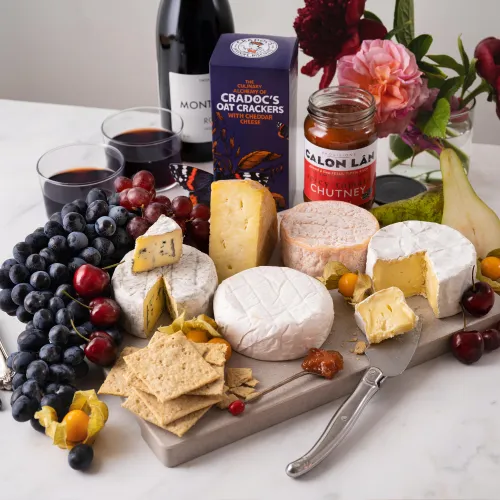
Dairy farming runs alongside the arable tradition, with producers working local milk into everything from fresh dairy products to aged cheeses. The scale is rarely industrial; Fife tends toward smaller, more specialised operations rather than large commodity producers. That suits the independent food shops and restaurants that give towns like Cupar, St Andrews and Pittenweem much of their food character.
The sea's contribution
The fishing harbours of the East Neuk — Crail, Anstruther, Pittenweem among them — are small but historically significant. Crab, lobster, prawns and a range of white fish come ashore here, much of it bought by local fishmongers and restaurants rather than shipped south. Pittenweem remains an active fish market, though its rhythms are those of a working port rather than a tourist attraction; if you want to buy directly, arrive early and check current trading days before you go.
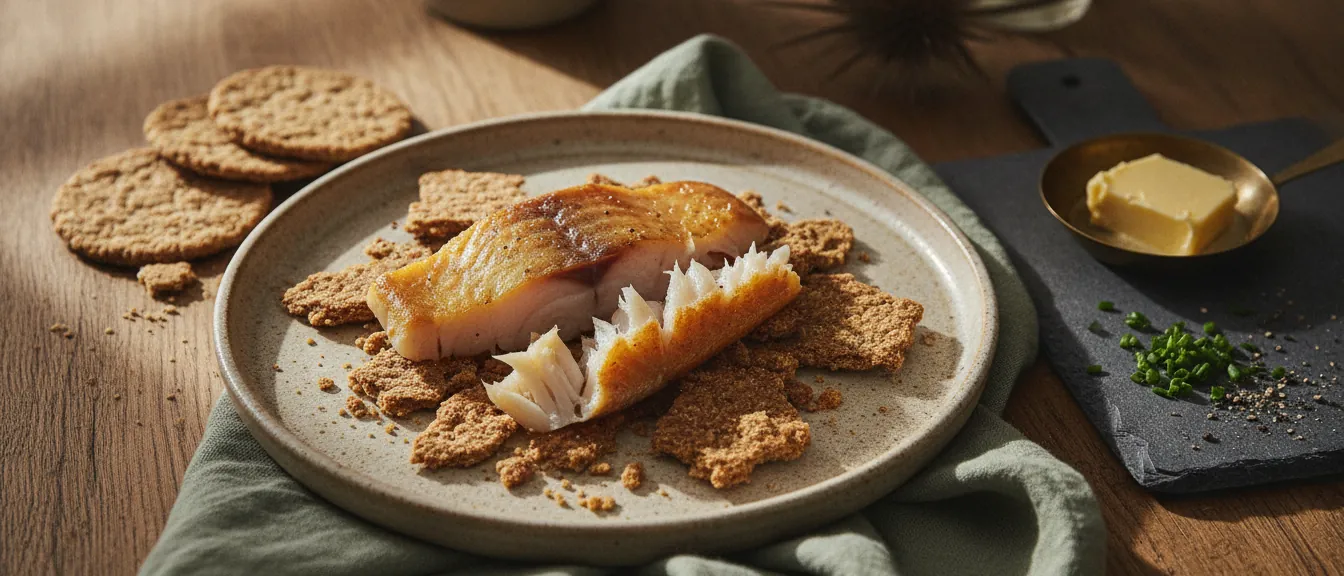
Smoked fish has a place in Fife's food story too. Cold-smoking and hot-smoking both have a long tradition along this coastline, applied to haddock in particular. The results differ markedly from mass-produced smoked fish: deeper in flavour, less aggressively salted, and worth seeking out in the county's delis and farm shops.
Where to find it
Fife is well served by independent food retail. St Andrews, the county's most visited town, has food shops whose quality reflects both local produce and the demands of a food-literate population. Smaller towns and villages — particularly along the East Neuk coast — often offer the most direct access to what is produced nearby: a fishmonger supplied from the harbour down the road, a farm shop stocked with vegetables from the field visible through the window.
Farmers' markets operate in several Fife towns throughout the year, usually monthly. Dates and locations shift, so the Food Assembly Scotland and local council pages are the most reliable places to check current schedules.
The character of the Fife larder
What distinguishes Fife's food offer is less any single famous product and more the density and variety of what a compact county can produce. Arable, dairy, soft fruit, seafood and smoked fish do not usually coexist within easy driving distance of each other — in Fife they do. That makes the county one of Scotland's more rewarding places to eat and shop if you take the time to look.
The food culture here is not showy. Producers tend to let the ingredients speak rather than building elaborate brands around them, which means the best of what Fife makes can be easy to miss if you are moving quickly. Slow down, follow the signs to farm shops, and eat in the small harbour restaurants that change their menus with the catch.
_9e2b-71_pngq80.webp)