A city shaped by its surroundings
Edinburgh is unusual among capital cities in that serious countryside begins almost immediately beyond its edges. The Lothians stretch out to the south and east — some of the most productive arable land in Scotland — while the Firth of Forth defines the city's northern horizon. That geography feeds the city in a literal sense, and it still does. What arrives on Edinburgh's tables tends not to have travelled far.
The surrounding farmland suits cereals, brassicas and root vegetables well. Soft fruit — raspberries, strawberries, blackcurrants — grows well in the longer summer days at this latitude, and you'll find it at farmers' markets and in independent food shops through the season.
The sea's contribution
The Forth has been fished for generations, and seafood from those waters remains central to Edinburgh's food identity. Oysters, mussels, crab and a variety of fin fish come in from the firth and from the wider East Coast fishing ports within easy reach. Smoked fish has a particularly strong tradition in this part of Scotland — the cool, damp climate and the historic availability of wood smoke made preservation both practical and flavoursome, and that craft persists among specialist producers in the region today.
Haddock is the fish most deeply woven into everyday Edinburgh eating: the expected fish in a fish supper, the default for Cullen skink, the piece Scotland reaches for when it wants something straightforward from the sea. Visitors who order without thinking may well find haddock where they expected cod. That preference is local and deliberate.
Scots baking and its Edinburgh expressions
Scotland's baking tradition is distinct from the rest of Britain, and Edinburgh sits at the serious end of it. Oatcakes, shortbread and Scots morning rolls — the bread roll with a characteristic floury crust and soft interior — all have a strong presence here. The morning roll is something Edinburgh people feel proprietary about; ordering one filled with square sausage or bacon is participating in a daily ritual that has changed very little over time.
Shortbread made to a genuinely buttery standard is one of the things the city does well, though visitors should be selective — the difference between an artisan version and a tourist-trade tin is considerable. Oatcakes made with Scottish oats and good fat are worth seeking from smaller producers rather than a supermarket shelf.
Whisky, gin and beer
Edinburgh is not a whisky-producing city in the way that Speyside or Islay are, but it is arguably where Scotch whisky is best understood and best sold. The city has specialist retailers and bars with serious ranges, and independent bottlers and blenders have a presence here. Craft gin has also taken a firm hold, with Edinburgh distilleries producing expressions that use locally foraged botanicals alongside more classical recipes.
Beer has deep roots too. Edinburgh was historically one of Britain's major brewing cities, and the water from its sandstone aquifers was considered well suited to certain styles of ale. That heritage never entirely disappeared, and a generation of independent brewers has reinvigorated it.
Markets and producers
The most direct way to understand what Edinburgh's food producers are doing is to visit one of the city's farmers' markets. The Saturday market at Castle Terrace is the most established, with producers from the Lothians, Borders and Fife bringing cheese, meat, bread, preserves and seasonal vegetables directly to buyers — check the official site for current dates and hours. It is the kind of market where you can speak with the person who raised the animal or grew the crop, which is both pleasant and useful if you want to know where something has actually come from.
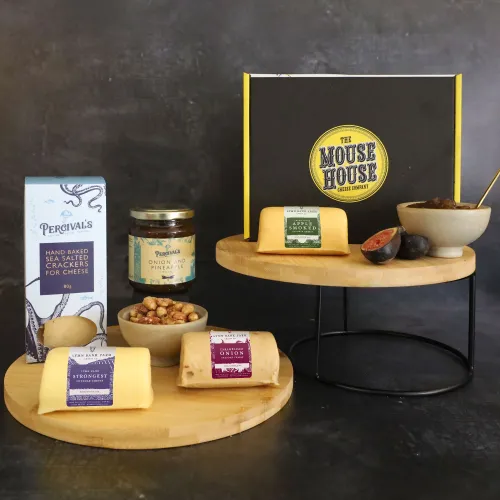
Independent food shops and delicatessens across the city's older neighbourhoods carry a strong range of Scottish produce, often sourced with more care than the labels suggest. Cheese is a particular strength: Scotland has a growing number of serious cheesemakers, and Edinburgh's better delis reflect that well.