Where the city meets the countryside
Bristol sits where urban appetite and rural abundance meet. The counties immediately surrounding it — Somerset to the south, Gloucestershire to the north, Wiltshire not far to the east — are among the most food-productive stretches of England. Dairy farming dominates the lowland pastures, and the milk, cream and cheese from those herds have long flowed into the city's markets and kitchens. Upland grazing further out supplies lamb and beef that reach Bristol's butchers and restaurants. The Severn Estuary, practically on the city's doorstep, has its own fishing traditions, though catches are more modest than they once were.
That geography has shaped how Bristolians eat and shop in ways still visible today.
A port city's palate
Bristol's history as a major trading port left a lasting mark on its food culture. Goods from the Americas, the Caribbean and further afield passed through its docks for centuries, and the city developed an early familiarity with imported flavours and preserved foods that many inland British cities didn't share. That openness never quite went away — it helps explain why Bristol has, for a relatively compact city, such a genuinely diverse and experimental food scene, one that feels less contrived than in places where variety arrived more recently.
The independent food and drink sector is substantial. Specialist roasters, small-batch fermenters, independent brewers and artisan bakers have all found Bristol receptive. The city has several covered and open-air markets where producers sell directly, supported by a farmers' market culture that draws on the surrounding agricultural belt.
The South West larder on Bristol's doorstep
Bristol is a meeting point rather than a monoculture, and it has no single signature dish in the way a rural county might have a protected cheese or a harvest-tied bake. What it does have is close, reliable access to fine produce.
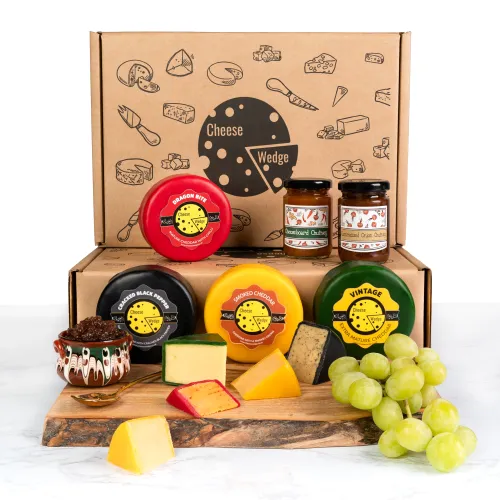
Cider is perhaps the strongest connection to the surrounding landscape. The apple orchards of Somerset and the cider-making tradition they sustain are close enough that traditional, dry, fiercely local cider has long been Bristol's drink of choice. Real cider pubs persist here, and the range of styles from nearby producers is broad. Cheese arrives from the surrounding region in serious variety too. The pastures that define Bristol's dairy belt produce milk suited to styles ranging from young fresh cheeses to aged, complex territorials. Independent delis and cheesemongers tend to reflect this, stocking regional cheeses alongside the wider British selection.
Markets, independents and how the city shops
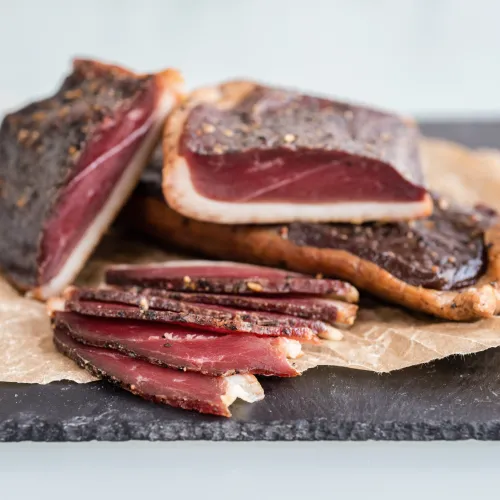
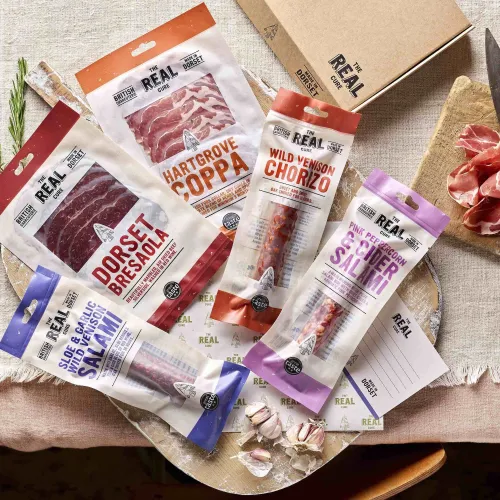
Several markets operate regularly across Bristol, functioning as genuine weekly shopping destinations rather than tourist attractions. Bread, charcuterie, preserves, vegetables, fish and street food all appear, and the producer-to-customer relationship is often direct — which keeps producers accountable and keeps shoppers engaged with what they're buying.
The independent grocery and deli sector is healthier here than in many comparable British cities. Whole-food shops, specialist bottle shops and independent butchers have maintained a foothold even as supermarkets expanded. This reflects a paying customer base that actively seeks alternatives, not mere nostalgia.
What Bristol's food reputation actually rests on
Bristol has no famous pie or biscuit named after it. Its food identity rests less on a single export and more on the quality and character of what circulates within it. The surrounding South West countryside — the dairy farms, the orchards, the market gardens — provides the foundation. The city's port history and its current streak of independent-mindedness provide the attitude.
For visitors, the most honest advice is to follow the markets and independent shops rather than searching for one emblematic thing to eat. The story of Bristol's food is told in an accumulation of good produce, handled well — and in a population that, by and large, knows the difference.