A supersaturated solution in a jar
Honey is, at its core, an unstable thing. Bees reduce nectar down to a concentrated mix of two sugars — glucose and fructose — with just enough water removed to preserve it indefinitely. The result is what chemists call a supersaturated solution: more dissolved sugar than the liquid can comfortably hold in suspension. At some point, the glucose decides it would rather be a solid. It begins forming crystals, and the honey sets.
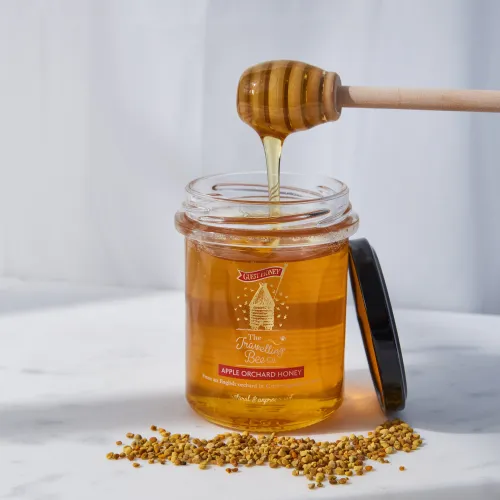
This is straightforward physics, not a sign that anything has gone wrong. Unpasteurised honey will almost always crystallise eventually. The fact that it does is, if anything, evidence that it hasn't been heavily processed.
Why some honeys set fast and others barely set at all
The speed depends almost entirely on the ratio of glucose to fructose, which varies with the flowers the bees foraged. Different nectars produce different sugar profiles, and that single variable accounts for the remarkable range of behaviour you'll see across British honeys.
Oilseed rape — the crop that turns fields acid-yellow across lowland Britain each spring — produces a nectar very high in glucose. Honey from these foraging grounds can set within weeks of extraction, sometimes going rock hard in the warming room before the beekeeper has finished bottling. Acacia honey sits at the opposite end of the spectrum: its glucose content is comparatively low, fructose dominates, and the honey can remain pourable for years without any intervention.
Most single-origin and wildflower honeys fall somewhere between the two. A summer honey pulled from hedgerow and meadow forage might stay liquid through autumn, then slowly granulate over winter into something between a thick paste and a soft solid.
Soft set is a product in its own right
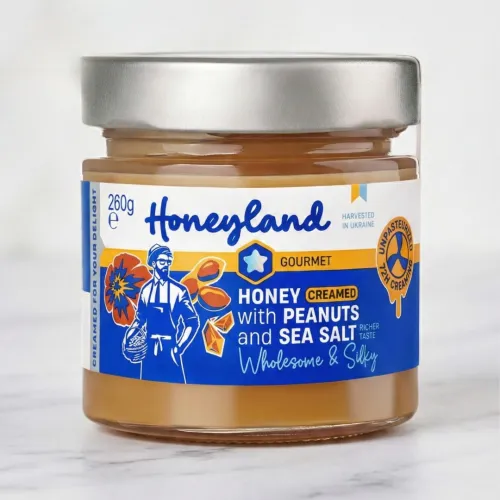
Beekeepers who understand their honey don't simply wait and see what happens. By controlling the size of the crystals that form, they can produce soft-set honey — smooth, spreadable, with a consistency closer to thick butter than the crunchy granulation that catches people off guard. The technique involves encouraging many small, fine crystals rather than fewer large ones. The result is a product some people actively prefer: it stays on toast, doesn't drip, and carries the honey's flavour without the faint grittiness of a coarser set.
Soft-set honey has a long tradition in British beekeeping, and jars labelled as such are deliberately made that way rather than being an accident of temperature or time.
How to bring set honey back — and how not to
If you want liquid honey and yours has set, gentle heat is all it takes. Sitting the jar in a bowl of warm water — not boiling, not even close — will gradually dissolve the crystals back into solution. The important word is gentle. Honey contains aromatic compounds and enzymes that are genuinely fragile; high heat destroys them, and with them goes much of what makes a well-sourced honey worth buying in the first place. A microwave on full power, or a saucepan of simmering water, will liquefy the honey efficiently and strip it of character just as efficiently.
Industrial honey is pasteurised partly to delay crystallisation — heating it kills the micro-crystals that would otherwise act as seeds for the process to begin. It stays liquid on the supermarket shelf for longer, but it has already lost what the heat damages. A jar of raw honey that has gone solid has lost nothing.
What crystallisation tells you about what you've bought
There's a useful rule of thumb here. If a honey never sets — if it sits liquid in the jar for year after year without ever showing any sign of granulation — either it is acacia or another genuinely high-fructose variety, or it has been pasteurised, or both. Neither is necessarily a problem, but it's worth knowing which.
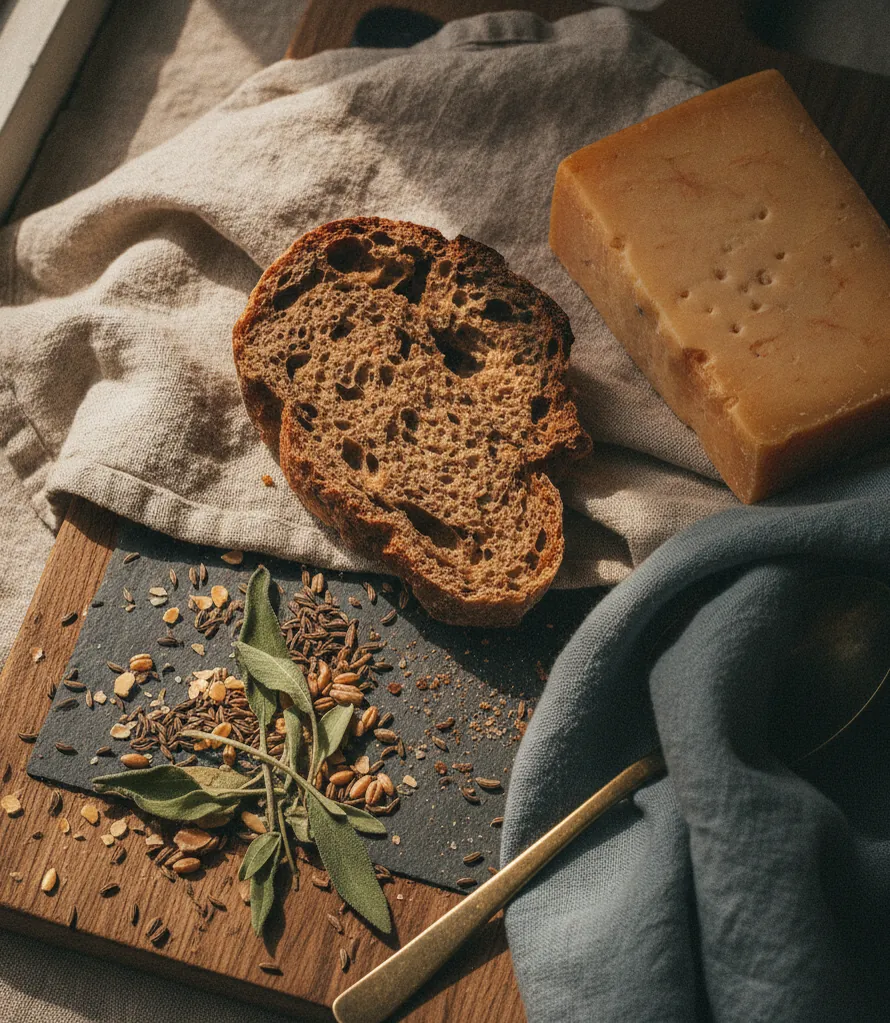
Crystallised honey, by contrast, is almost always the real thing. The enzymes, the pollens, the volatile compounds that give a heather honey its slight funkiness or a lime blossom honey its almost mentholated edge — these survive intact in a set jar. Scoop it onto warm bread straight from the jar, or stir it into warm (not hot) drinks, and it performs just as well as its liquid equivalent. In some uses — spread thickly on a crumpet, say, or paired with a strong hard cheese — the texture of a good set honey is an advantage rather than a compromise.