Strength and patience
Britain has long made a virtue of beers that demand time. Long before refrigeration, brewers understood that high-gravity ales — those brewed with a great deal of malt — were naturally more stable and complex, capable of developing in ways that lighter beers could not. That understanding shaped three overlapping styles that define the British winter drinking season: old ale, barley wine, and the broader family of seasonal winter warmers.
None is a beer rushed to market. Each rewards the brewer who waits, and the drinker who slows down.
Old ale: dark, mellow, often blended
Old ale is perhaps the most idiosyncratic of the group. Traditionally matured for months — sometimes the better part of a year — it was then blended with younger beer to balance accumulated sharpness and depth. That practice gave brewers control over the final character, softening what could otherwise become overwhelming.
Colour runs from deep amber to near-black. Flavour typically brings dried fruit, toffee, leather and a faint sourness that speaks to extended conditioning. Some examples carry a vinous quality — closer to port or Madeira than any conventional ale. Others are rounder and sweeter, more obviously malt-led. The style resists neat definition, which is part of its interest.
Barley wine: the strongest traditional ale
The name is deliberate. Barley wine was historically brewed to be kept — laid down like a bottle of wine, expected to improve over years rather than weeks. It carries the highest gravity of any traditional British ale style, meaning more residual sweetness, more alcohol warmth, and a density of flavour that invites sipping rather than drinking.
Good barley wine has layers: rich caramel and dried fruit up front, a resinous or earthy hop character beneath, and a long warming finish. Because it was made to age, it continues to evolve in the bottle. Hops that dominate a freshly bottled example will mellow over time, letting malt and yeast character come forward. For anyone interested in cellaring British beer, this is the natural place to start.
Bottle-conditioned versions — those with live yeast sediment — continue fermenting slowly after packaging, which accounts for their marked development over months or years. The sediment signals that activity; it is not a flaw. Our bottle-conditioned article covers this process in detail.
Winter warmers: the looser category
Beyond old ale and barley wine sits a less codified range of beers produced specifically for colder months. The label 'winter warmer' covers considerable ground. Some are built around dark malts — roasted and chocolate varieties that bring cocoa, coffee and molasses notes without necessarily reaching the gravity of a barley wine. Others draw on spices: ginger, cinnamon, clove and star anise have all appeared in seasonal releases, usually used with a lighter hand than spiced ales from Belgium or the United States.
Honey is another recurring addition, lending fermentable sugar and faint floral sweetness to the finished beer. No single ingredient is compulsory; the category is defined more by intent — warming, seasonal, unhurried — than by any fixed recipe. What unites these beers is the expectation that they will be drunk slowly, beside a fire, rather than quickly at the bar.
Serving and pairing
All three styles suffer from being served too warm. The instinct is to drink them at room temperature, but a light chill keeps carbonation in better condition and stops sweetness feeling cloying. A small measure matters too: a large pour will warm in the glass before you finish it.
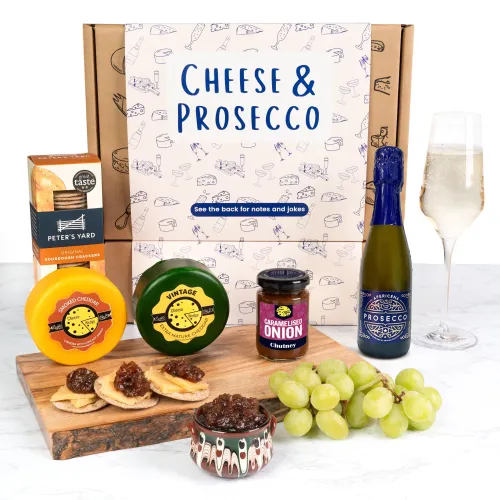
Food pairings follow naturally. Stilton is the classic match for barley wine — the beer's sweetness and body stand up to the cheese's salt and funk where a lighter ale would be swamped. Christmas cake, dense with fruit and marzipan, finds an obvious echo in the dried fruit and caramel of an old ale. Christmas pudding works along the same lines, the dark sugars on plate and in glass reinforcing one another. These are not delicate pairings; they are built for the richness of midwinter eating.