Not what the name suggests
The word 'grains' causes the most confusion. These are not cereal grains. They look a little like small, irregular cauliflower florets — rubbery, pale, gelatinous — and they are alive. Each one is a matrix of proteins and polysaccharides in which bacteria and wild yeasts live together, feeding on milk sugars and producing the lactic acid and faint natural carbonation that gives kefir its character. The drink itself is simple: milk fermented by this community until it becomes sharp, slightly fizzy and thin enough to pour from a glass.
The tradition comes from the Caucasus mountains, where people fermented milk in this way, passing grains between families and communities. That passing-on matters, because kefir grains cannot be manufactured from scratch. They grow as they work — a healthy culture in fresh milk will slowly multiply — but you can only begin with grains that came from somewhere, and someone, else. It gives kefir a lineage that most fermented foods lack.
How it differs from yoghurt
The comparison with yoghurt is natural but only goes so far. Both start with milk; both involve bacterial fermentation. The cultures are entirely different. Yoghurt is made with specific thermophilic bacteria that work at warmth and produce a thick, set result. Kefir grains carry a much broader community: multiple bacterial strains alongside yeasts, working together at room temperature over a longer ferment. The yeasts are the detail that really separates the two — they produce a small amount of carbon dioxide and, in traditional kefir, a trace of alcohol, enough to give the drink its faint prickle on the tongue.
The texture difference is immediate. Where yoghurt sets, kefir stays pourable, closer in consistency to buttermilk or a thin drinking yoghurt. The flavour is sharper and more complex — the tangy lactic note you'd expect, with something slightly yeasty underneath. It is an acquired taste for some; for others, immediately appealing in the way that good sourdough is appealing: fermented, alive-tasting, a little unpredictable.
Water kefir: a different thing entirely
Water kefir uses a completely separate culture — sometimes called tibicos — which ferments sugared water rather than milk. The grains look similar but the community of organisms is different, and the result is a lightly fizzy, mildly sweet drink that bears only a family resemblance to the dairy version. It suits those avoiding dairy and those looking for something between fruit juice and a soft drink. The two share a name and a general principle but are not interchangeable, and it is worth knowing which you are buying.
Kefir in British dairies
British dairy farms have taken to kefir for understandable reasons. It offers a way to add value to fresh milk — transforming something perishable and price-sensitive into a finished fermented product with a longer shelf life and a story worth telling. Independent farms across the country now produce their own, often using milk from their own herds, which means the character of the kefir can reflect the breed of cattle, the land, even the season.
What you find in independent farm shops or specialist food retailers tends to differ considerably from mass-produced versions. Smaller-batch kefir, made slowly at ambient temperature with active grains, has a sharper, more complex flavour than stabilised versions sold in large supermarkets, which are often thickened, pasteurised after fermentation, or made with starter powders rather than living grains. Reading the label is worth the effort: live cultures and made with kefir grains are the details to look for.
Buying and using it
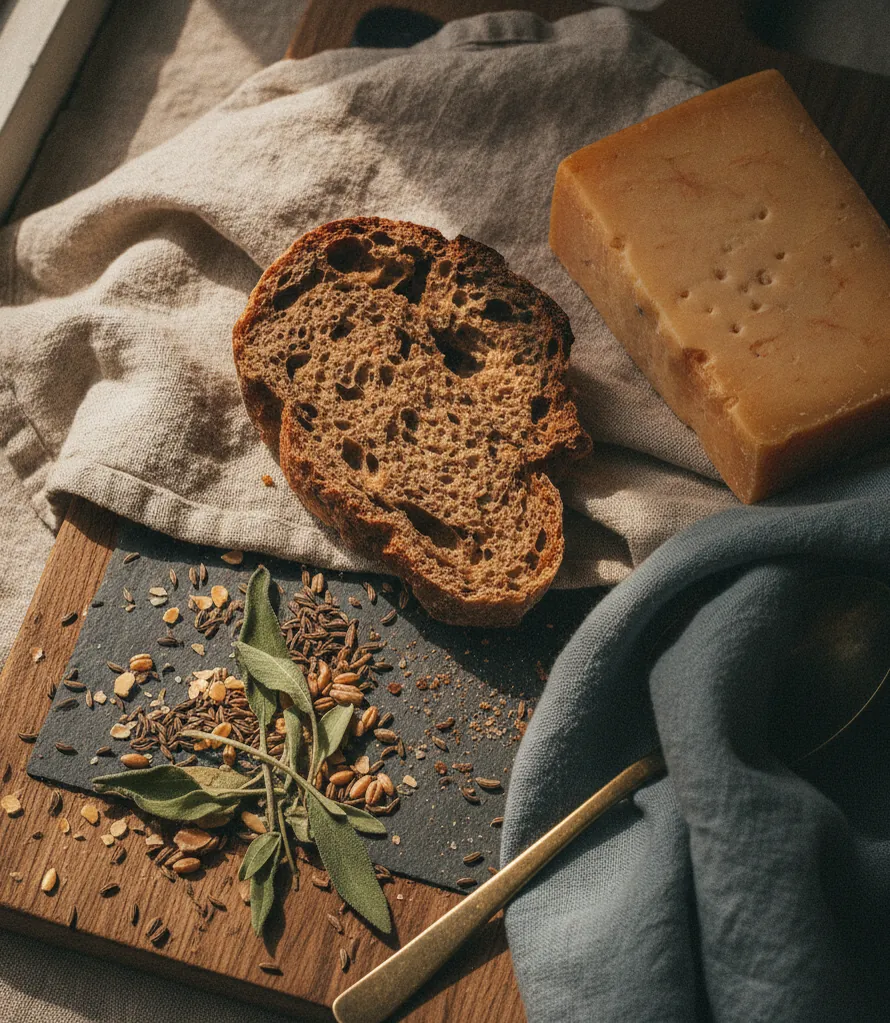
Kefir is most commonly drunk cold, straight from the bottle. It also works well stirred through porridge, spooned over fruit, or used anywhere you might reach for buttermilk: in batters, dressings, or alongside anything that benefits from a sour note. It pairs naturally with smoked fish, pickled vegetables and rye bread — no coincidence, given that the Caucasian and Eastern European traditions it comes from lean on exactly those flavour combinations.
Store it in the fridge. A living kefir will continue to ferment slowly, so the flavour sharpens over time. That is not a flaw — it is the nature of the thing.