What gluten actually does
Gluten is not one thing but two proteins — glutenin and gliadin — that link together when flour meets water and gets worked. The result is an elastic network that traps the carbon dioxide produced by yeast, lets the dough expand, and then sets firm in the oven. That network also gives bread its characteristic chew: the slight resistance before the crumb gives way. Lose gluten and you lose both functions at once.
Most commercial gluten-free bread reaches for xanthan gum or guar gum, usually alongside rice flour or tapioca starch. The gums bind water and add viscosity, holding the batter together well enough to bake. The results are functional but often betray themselves: a crumb that feels tight or gluey, a surface that turns leathery within hours of slicing. The loaf looks like bread. Eating it is a different matter.
The staling problem
Gluten-free bread stales faster than wheat bread for a specific reason, and it has little to do with the absence of gluten itself. When bread cools after baking, its starches begin retrogradation: the starch molecules, disrupted and swollen by heat, gradually recrystallise into a firmer structure. Wheat bread contains gluten, fat from the grain, and often added fat — all of which slow this process. Many gluten-free formulas, built on refined starches, have little of that interference. The starch retrogrades quickly and the loaf goes hard or crumbly by the following day.
That same chemistry makes gluten-free bread freeze exceptionally well. Freezing halts retrogradation almost entirely. A sliced loaf frozen on the day it is baked and toasted from frozen will taste considerably fresher than one left on the counter overnight — worth bearing in mind before buying a whole loaf.
What bakers use instead of gums
The most effective gum alternative is psyllium husk — the ground outer shell of plantago seeds, available in most health food shops. In water, psyllium forms a dense, mucilaginous gel that behaves much like a gluten network: it holds gas during fermentation, gives the dough enough structure to shape, and produces a more open crumb than gum-based formulas typically allow. The gel is also flexible enough to survive the oven's heat without collapsing.
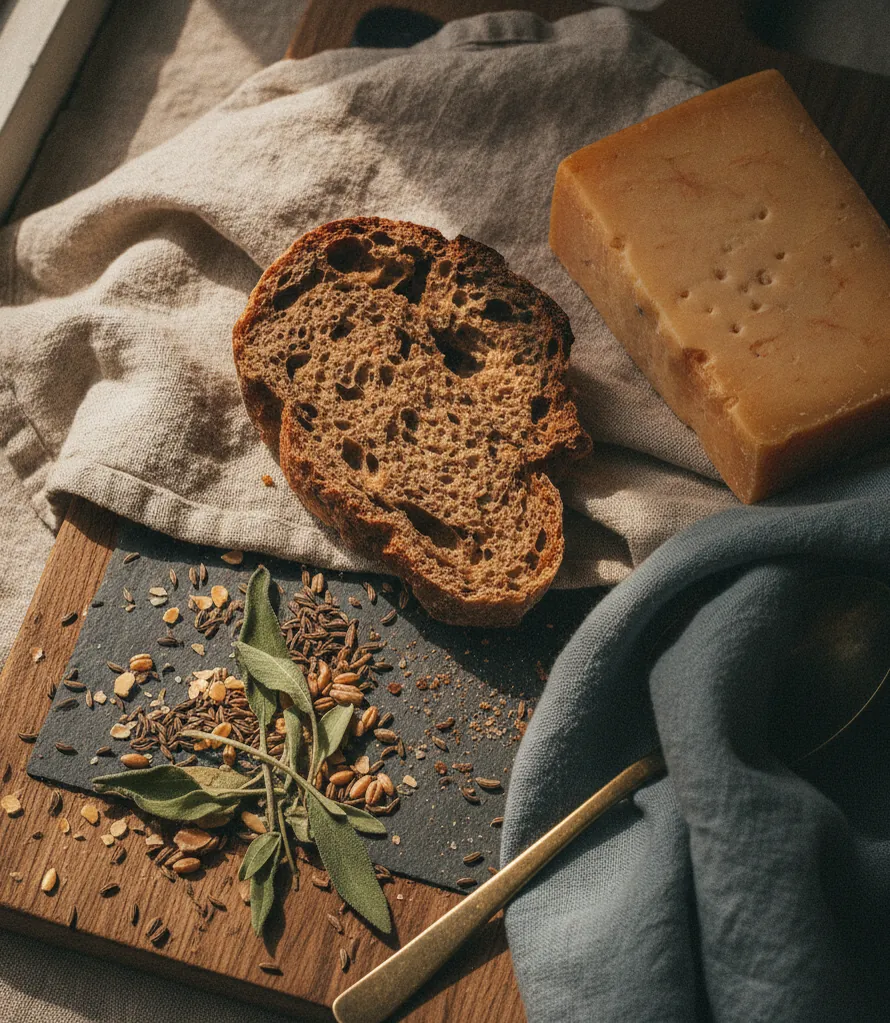
The choice of flour matters as much as the binder. Buckwheat, teff and sorghum are the grains most often seen in serious gum-free baking, and not only for structural reasons. Each brings flavour that refined rice flour and starch blends cannot. Buckwheat is earthy and slightly bitter in a way that makes a loaf interesting rather than bland. Teff — a tiny grain originating in the Horn of Africa — has a mild, malt-like depth. Sorghum is closer to wheat in flavour than most gluten-free grains, with enough body to carry a proper crumb. Used alone or in combination with lighter flours, they produce bread that rewards eating.
Long fermentation also plays a significant role. Leaving a dough or batter to ferment slowly — with a sourdough culture or a small amount of commercial yeast over many hours — develops flavour compounds that shorter bakes miss, and the extended rest allows the flours to fully hydrate, improving both texture and keeping quality. Higher hydration, running wetter than most wheat doughs, helps the crumb stay open and moist rather than dense. These adjustments take time and practice to get right, which is why gum-free gluten-free bread remains relatively rare even from specialist bakeries.
Reading the label
For anyone who needs to avoid gluten for medical reasons, ingredient lists and certification marks matter more than the style of baking. The crossed-grain symbol — a sheaf of grain with a line through it — is the internationally recognised certification for products tested to a strict gluten threshold; we cover what it means and how to find it in our Crossed-Grain Certification Explained article. A loaf made with no wheat, rye or barley can still be contaminated during milling or production, so the baking method and ingredient list alone are not the full picture. For any specific medical or dietary questions about gluten, the NHS and Coeliac UK are the right places to start.
The label will not tell you whether the bread uses gums or not — that detail sits in the ingredient list. Xanthan gum and guar gum appear by name if present. Psyllium husk appears as psyllium husk or psyllium husk powder. A small detail, but worth checking if texture matters to you.