The frost makes the difference
A parsnip lifted in October and one pulled from the same row in January are not, in any meaningful sense, the same vegetable. When ground temperatures drop hard, the root converts stored starch into sugar — a natural antifreeze that protects the plant's cells from freezing solid. That deep, almost caramel sweetness is not just a variety question; it is a weather question.
Old growers knew this without the science to explain it. They waited for a hard frost before lifting because experience told them the roots were not ready until the cold had done its work — traditional practice and biology pointing in exactly the same direction.
One of Britain's oldest staples
The parsnip has been on British tables far longer than most people realise. The Romans cultivated it across Europe, and by the medieval period it was a foundational crop — not a side dish, but a primary source of carbohydrate and sweetness. Before refined sugar became widely available, cooks reached for parsnips to sweeten both savoury and sweet preparations. The root was genuinely useful in ways that go well beyond its modern role as a roast dinner accessory.
The potato eventually displaced the parsnip from that central position, but the parsnip never quite left. It retreated to the edges of the plate and stayed there — and by any measure of current appetite, the revival has arrived.
Season and selection
British parsnips are in the ground from roughly October through to March. The best eating comes after the first serious frosts, which in most of the country means from late autumn into the heart of winter. January parsnips, in a year with a proper cold spell, are often the finest of all.
When choosing, resist the largest roots. Giant parsnips look impressive, but the core becomes woody and fibrous as the root grows, and no amount of cooking corrects that. Medium-sized roots — ones you could comfortably wrap one hand around — have a better ratio of tender flesh to core and cook more evenly. Look for firm, clean skin without deep cracks or soft spots. A little soil clinging to them is fine; it often means they have been stored well.
How they are eaten
The honey-roast tradition makes obvious sense: heat concentrates the root's natural sugars, the edges catch and caramelise, and a drizzle of honey is more accent than addition. Alongside beef or a nut roast, this is the version most British cooks know by instinct.
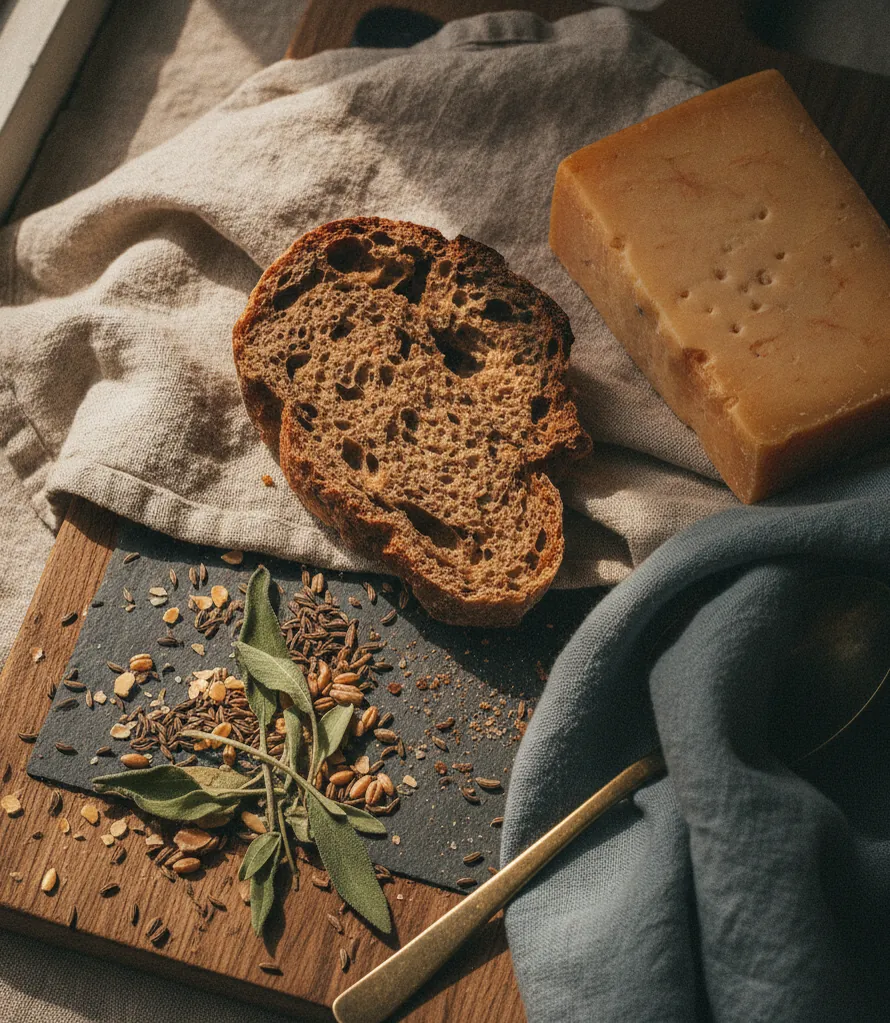
Curried parsnip soup has earned its place as a modern British classic. The sweetness of the root and the warmth of spice — typically something in the cumin and coriander family — complement each other with an easy logic. It is the kind of dish that seems obvious once you have had it, particularly with good bread on a cold afternoon.
The parsnip holds its own in other forms too: braised slowly in stock, puréed with butter into something silkier than mashed potato, or shaved raw into a winter salad where its sweetness reads almost like a mild fruit. The medieval instinct to use it broadly was not wrong — it is a flexible root that rewards more than the single roasting-tin context it usually occupies.
Worth buying from independent growers
Supermarket parsnips are frequently harvested and stored before any frost has touched them; the supply chain does not wait for weather. Farm shops, farmers' markets, and veg box schemes with named growers are the more reliable route if you want roots that have actually experienced cold in the ground. Ask when they were lifted. A grower who has let them sit through a frost will usually say so without prompting, because they know it matters.
The season ends around March, when the roots begin to regrow and the texture turns spongy. Until then, especially through the colder months, the parsnip is one of the few seasonal pleasures that a British winter reliably delivers.