A chance beginning, a lasting place
The traditional account holds that the Victoria began as a chance seedling discovered in a Sussex garden in the nineteenth century, later named in honour of the queen. However it arrived, it became the default British plum in a way no other variety has managed to displace. Walk down almost any older garden in England and there is a reasonable chance a Victoria is growing somewhere in it — often unpruned, still cropping heavily, still reliably good.
That ubiquity is not an accident. No other plum balances so neatly between the sweet and the sharp, between eating out of hand and taking to heat. It is the variety that does both things convincingly, which is a rarer quality than it sounds.
Why the season is so short
Late August into September is the window, and at true ripeness that window narrows further — to a fortnight, sometimes less, depending on the summer. Colour shifts from yellow-green to a deep pink-red flush, and the flesh beneath softens to something almost liquid at the stone. That is the moment. Leave it a few days more and the wasps will have noticed before you do.
A Victoria ripens quickly and all at once, making it a glut fruit — abundantly available for a short stretch, then gone. Growers selling through farm shops or at farmers' markets will often have more than they know what to do with at peak, and prices tend to reflect that generosity.
The flaw that makes it worth eating
The Victoria's great weakness is inseparable from what makes it worth eating. It is extraordinarily juicy — the kind of fruit that requires a napkin and some forward planning about what you are wearing. That juice bruises it on contact, limits how far it can travel without damage, and is precisely what makes a ripe specimen feel so different from the firm, slightly hollow plums that survive a long supply chain.
A ripe Victoria is, almost by definition, a local pleasure. Farm shops, pick-your-own orchards, and garden trees are where the real thing tends to appear. The supermarket version — picked early enough to withstand handling and distribution — is safer, longer-lived, and considerably less interesting. If you have not eaten a Victoria straight from the tree or bought the same morning, the difference when you do is not subtle.
How it is eaten and used
At peak ripeness, the Victoria needs nothing at all. The flesh pulls cleanly from the stone and the flavour sits somewhere between honey and something faintly vinous — among the more quietly extraordinary things British late summer produces.
Because the Victoria sharpens usefully under heat, it has long been the plum of choice for puddings, jams, and crumbles. The sharpness barely noticeable in a perfectly ripe raw fruit asserts itself when cooked, giving depth and balance that sweeter varieties can lack. It makes a particularly good jam for the same reason: enough natural acidity to set reliably without tasting flat.
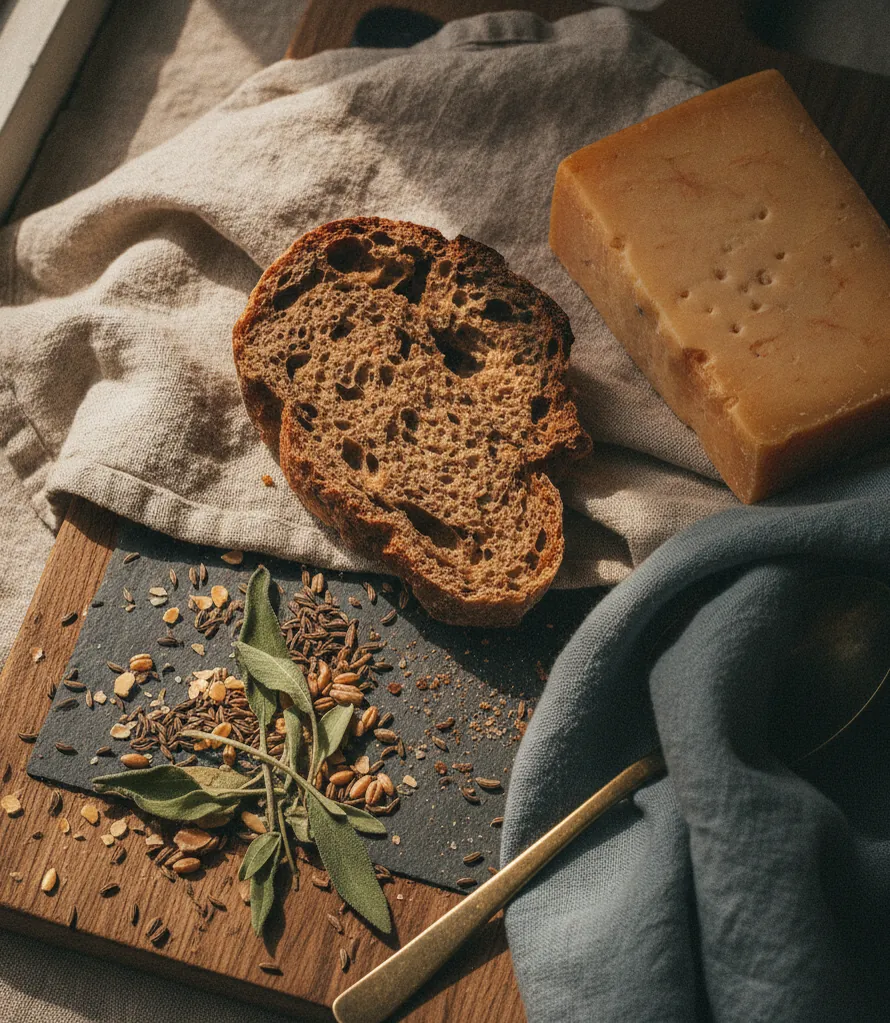
Victorias also sit well alongside stronger cheeses, where the plum's sweetness provides contrast. A ripe Victoria with a piece of good farmhouse cheddar asks very little effort of anyone.
Making the most of the glut
If you find yourself with more Victorias than you can eat — the natural state of affairs when a garden tree is producing at full tilt — cook or preserve them quickly rather than wait. Halved and stoned, they freeze well enough to bring something of the season into winter crumbles and compotes. A straightforward Victoria jam, made at peak ripeness, keeps that balance of sweet and sharp remarkably well once jarred.
The other option is simply to share them. A bag of ripe Victorias handed over a garden fence or left on a doorstep is one of those seasonal gestures that the British late summer does rather well — unpretentious, briefly available, and genuinely appreciated.